by lspeed | Oct 5, 2025 | LIQUORS: LIFT YOUR SPIRITS
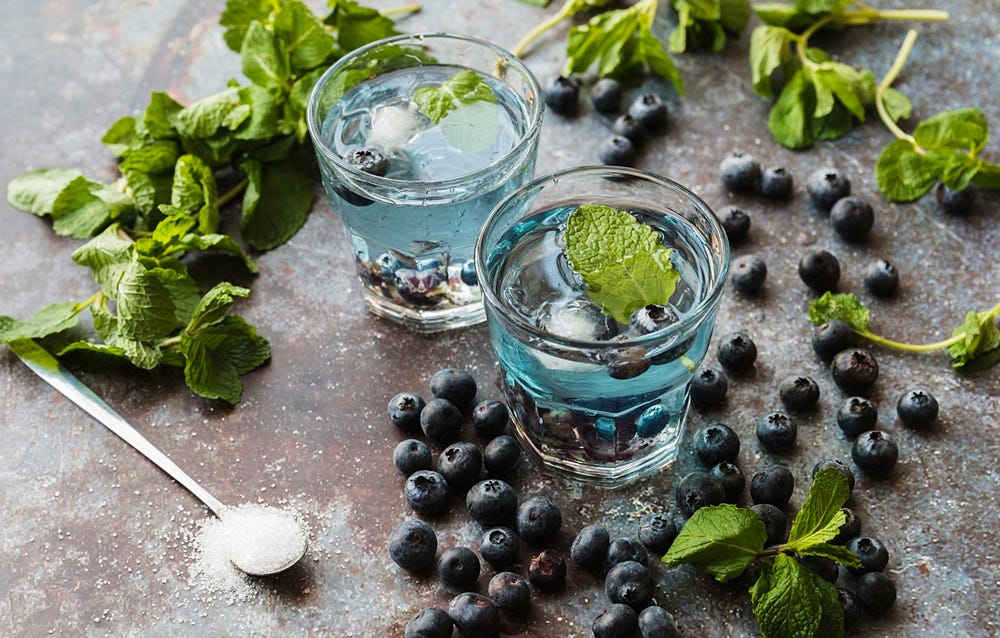
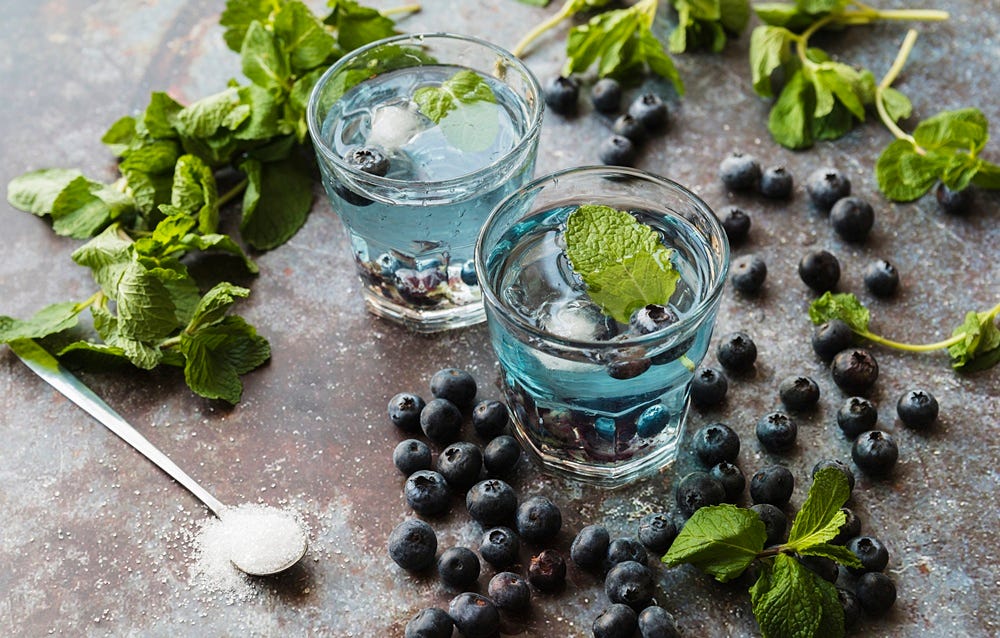
Move over Sake and Soju. Asia’s newest obsession is juniper-based, botanically bold, and unapologetically local. Craft gin, once a niche import enjoyed only by expats or cocktail connoisseurs, is becoming one of the darlings of Asia’s distilling scene. From Tokyo to Mumbai, a new cohort of small-batch producers is taking on the spirit world, infusing traditional gin with regional flavors and cultural identity.
Unexpected Botanicals
Gin has always offered distillers a wide canvas for creativity. But in Asia, that creativity has evolved into a powerful form of cultural expression. Native ingredients once relegated to kitchens or apothecaries, such as Yuzu in Japan, Turmeric in India, Sampaguita in the Philippines, or Pomelo in Vietnam, are now signatures of premium gins that “taste like home”. “Gin allows us to tell a story,” says Jay Dhawan, co-founder of Stranger & Sons in Goa. “It’s not just about alcohol—it’s about identity.” Distillers are no longer content to replicate London Dry traditions. Instead, they’re developing spirits that resonate with their landscapes and communities.
Five Countries, Five Flavors
Japan: Precision Meets Poetry
Japan’s Kyoto Distillery, with its flagship KI NO BI, is credited with sparking some of Asia’s gin renaissance. Blended with Yuzu, Gyokuro tea, and Sansho pepper, KI NO BI offers a profile as delicate and structured as a haiku. Distilled with a rice spirit base and packaged with minimalist design, it has earned international accolades, including recognition as IWSC’s Gin Producer of the Year.
India: Spicy and Unapologetic
Indian distillers approach gin with the same intensity as their cuisine. Hapusa Gin highlights Himalayan juniper and turmeric for earthy complexity, while Nao Spirits’ Stranger & Sons layers Gondhoraj lime, pepper, and Indian citrus. The result is gins that are unapologetically bold, designed to match the energy and vibrancy of the subcontinent.
Vietnam: Terroir in a Bottle
Vietnam’s Song Cai Distillery leans into terroir-driven philosophy, sourcing botanicals directly from ethnic minority farmers. Pomelo, cassia, and ylang-ylang infuse their gins with flavors that mirror the country’s extraordinary biodiversity. By spotlighting smallholder agriculture, Song Cai has also positioned itself as a socially conscious distiller with a loyal international following.
Thailand: Tropical Alchemy
Bangkok’s Iron Balls Gin embraces pineapple and coconut for a playful tropical twist, while brands like Siam Lanna and Kata Rocks Gin highlight lemongrass, cardamom, and Thai herbs. Thailand’s craft gins are often designed with pairing in mind, working seamlessly with the bright, aromatic flavors of Southeast Asian cuisine.
Philippines: Floral Expressions
In the Philippines, Full Circle Distillers has infused their ARC Gin with Sampaguita (the national flower), calamansi, and mango, ARC captures a sense of place while also appealing to global palates. Multiple awards have cemented its reputation, and its presence in bars from Manila to Manhattan shows how quickly Filipino gin is gaining traction.
What’s Next?
Asian craft gins are no longer confined to local bars. They’re winning medals at the International Wine & Spirit Competition, appearing on cocktail menus in London and New York, and attracting attention from mixologists eager for new flavor profiles. Expect further experimentation, such as shiitake-infused gins in Japan, Ayurvedic-inspired botanicals in India, and zero-waste distilling initiatives across the region. Tokyo’s Ethical Spirits, for instance, is turning sake lees and expired beer into sustainable gin, while Vietnamese distillers continue to explore indigenous plants overlooked by mainstream markets. And bartenders in Hong Kong and Singapore are partnering with local distillers to create limited editions designed exclusively for their cities’ cocktail scenes.
Image Credit: https://freepik.com
_ _ _
© CHURRASCO PHUKET STEAKHOUSE / ALL RIGHTS RESERVED
Reprinting, reposting & sharing allowed, in exchange for a backlink and credits
Churrasco Phuket Steakhouse serves affordable Wagyu and Black Angus steaks and burgers. We are open daily from 12noon to 11pm at Jungceylon Shopping Center in Patong / Phuket.
We are family-friendly and offer free parking and Wi-Fi for guests. See our menus, reserve your table, find our location, and check all guest reviews here:
https://ChurrascoPhuket.com/
#Churrascophuket #jungceylon #phuketsteakhouse #affordablewagyu #wagyu
by lspeed | Oct 5, 2025 | DECODING GRAPES: FROM VINES TO VINTAGE
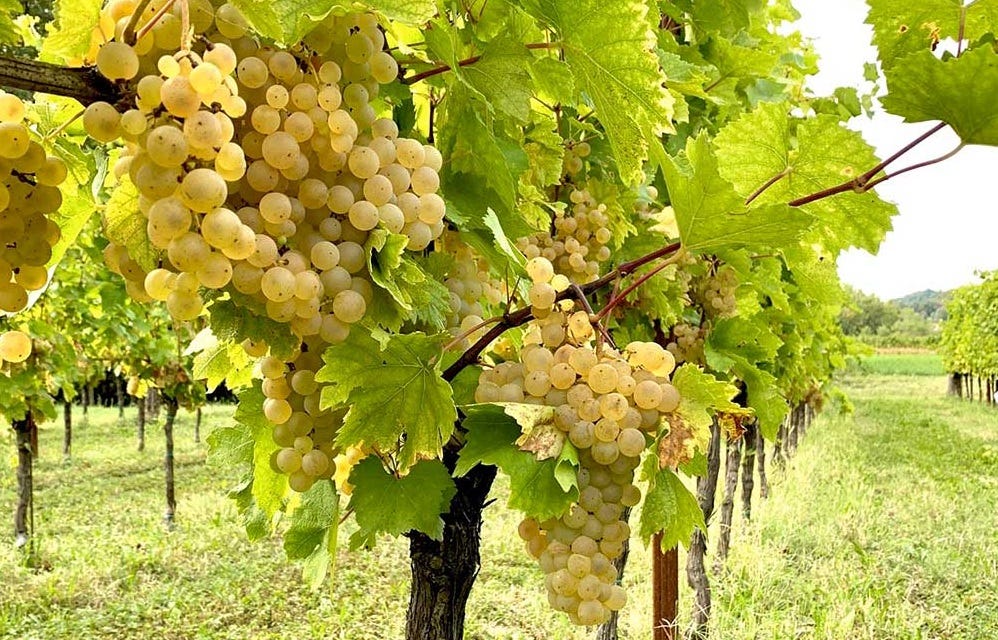
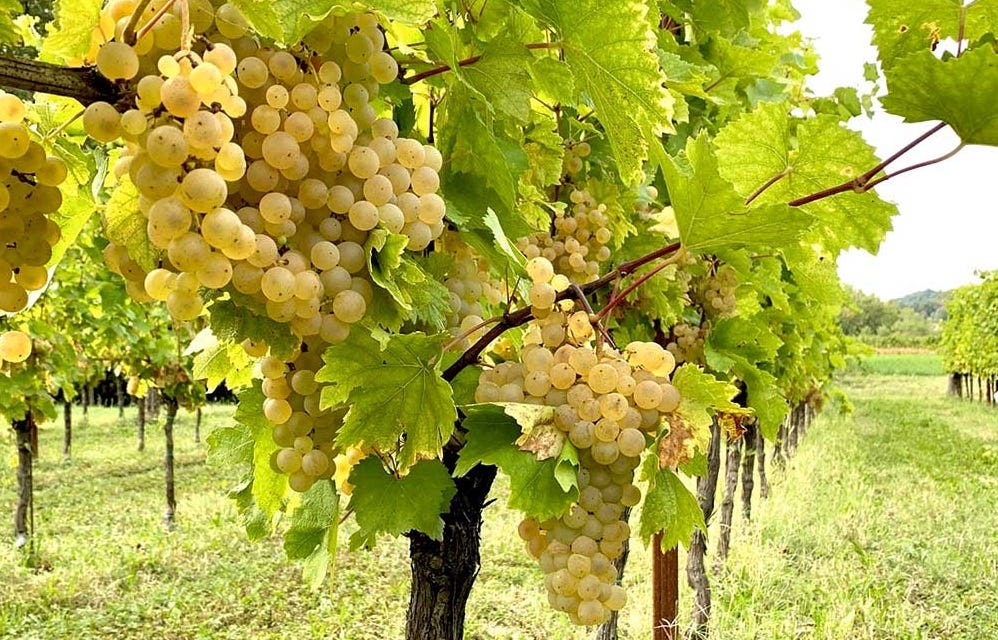
Ribolla Gialla is a white grape with roots in northeastern Italy. Historical records trace it back to the Middle Ages, when it was planted widely in the Collio hills near the Slovenian border. Across the frontier it is called Rebula, where it has long been grown in the Goriška Brda and Vipava Valley. While once considered a local wine for everyday use, it has become the poster child of modern Friulian whites and the revival of long-maceration styles that shaped today’s “Orange Wine” movement.
Geographical Reach
The variety’s core lies in Friuli Venezia Giulia—Collio, Colli Orientali, Isonzo, and Carso—where producers treat it as a regional signature. In Slovenia, especially Brda and Vipava, Rebula is equally important, forming a bridge across a shared wine culture. Smaller but growing plantings exist in Croatia’s Istria, Austria’s Styria, and more recently in experimental vineyards in California, Oregon, and New Zealand. Outside its European base, plantings remain rare, but the grape is attracting interest among winemakers looking for fresh, high-acid whites or suitable grapes for skin-contact winemaking.
Wines Styles
-
Dry Whites: Typically fermented in stainless steel or large neutral casks. Wines are pale, light on fruit, and emphasize acidity and texture.
-
Skin-Contact “Orange” Wines: Ribolla Gialla’s thick skins make it well suited for extended maceration. These wines range from golden to amber, with firm tannins. They are central to the Friulian and Slovenian tradition of orange wines.
-
Sparkling: The grape’s high acidity is ideal for metodo classico sparkling wines as well as lighter Charmat-method styles. These are increasingly seen in Friuli, sometimes marketed as a regional specialty.
-
Sweet and Late Harvest: Produced occasionally in warm vintages, usually in very small volumes.
Main Labels
Cellaring
Classic dry Ribolla is best enjoyed within a few years for freshness, while skin-contact versions can age for a decade or more. Sparkling Ribolla is a younger development, but several Friulian houses are positioning it as an identity wine for the region. Increasing international plantings suggest that Ribolla Gialla may continue to find a niche among winemakers searching for high-acid, versatile grapes adaptable to both traditional and experimental styles.
Image Credit: https://www.cadibon.it/wp-content/uploads/2021/06/vendemmia-Ribolla-Gialla-2021.jpg
_ _ _
© CHURRASCO PHUKET STEAKHOUSE / ALL RIGHTS RESERVED
Reprinting, reposting & sharing allowed, in exchange for a backlink and credits
Churrasco Phuket Steakhouse serves affordable Wagyu and Black Angus steaks and burgers. We are open daily from 12noon to 11pm at Jungceylon Shopping Center in Patong / Phuket.
We are family-friendly and offer free parking and Wi-Fi for guests. See our menus, reserve your table, find our location, and check all guest reviews here:
https://ChurrascoPhuket.com/
#Churrascophuket #jungceylon #phuketsteakhouse #affordablewagyu #wagyu
by lspeed | Oct 5, 2025 | RESTAURANT BUSINESS: BEHIND THE KITCHEN DOOR
During last year’s family holiday in Austria, I took my family to a nearby “South American Steakhouse”. It’s always helpful to see what “the other guys” are doing – and how. The decor looked authentic, menu and steak cut descriptions ticked the right boxes, and the Google reviews were solid.
The owner greeted us with a smile and a “Bienvenido”, seated us, and since I detected some sort of accent I asked him if he was South American. And this is where the experience fell apart. Instead of being upfront that he was Turkish (which he was), he started mumbling something about his mother being Spanish, but he himself having grown up in Austria. It was contrived and fake.
As restaurateurs, we of all people understand best that restaurant fads keep changing and evolving. We are always looking for niches yet unoccupied by competitors. The results can be magic if done right, or disastrous when they miss the mark.
What are the lessons here?
The End of Pretend
Modern diners travel widely, scroll endlessly, and know the difference between genuine craft and clever packaging. A restaurant that leans heavily on gimmicks or Instagram flash will get attention, but won’t build loyalty. Guests can spot staged stories and they walk away when they feel oversold to. Often, the difference is minor and unexpected, but one thing stands out. Restaurants that anchor themselves in authenticity – or at least honesty – build resilience and credibility.
Food With a Story
Authenticity begins in the kitchen. This isn’t about copying tradition for its own sake, it’s about clarity. An Izakaya should taste like Japan, not like a Pinterest mash-up. A steakhouse like our wins respect by buying the best meat they can, and then honouring it instead of dressing it in needless frills. Chefs who can explain why a dish matters, whether it’s a family recipe, a local farm partnership, or a heritage ingredient, serve more than food. They serve meaning and that is what diners remember.
Service Without the Script
It doesn’t end with the plate. A restaurant’s voice is also in the way staff smile, speak and move. Diners can tell the difference between a rehearsed greeting and a genuine welcome. The same goes for design: better to embrace a space’s own history and community than paste over it with trends. When a restaurant feels lived-in, when staff sound like themselves, when culture is celebrated rather than manufactured, that’s when the atmosphere sticks.
The Branding Trap
Too many restaurants curate a perfect online persona that falls apart in reality. Social media loves a façade, but guests won’t return for a façade. They’ll return for honesty. Branding should flow from the restaurant’s truth, not invent or fake it. A slightly imperfect but authentic experience is always more powerful than something polished yet hollow.
Authenticity Pays
Being real isn’t just good for reputation, it’s good business. Loyal guests come back without being lured by discounts. Staff stick around when they feel part of something genuine, not just another concept rollout. Word of mouth thrives on authenticity because it carries the weight of trust.
Trends come and go. New cuisines rise, presentation styles shift, and technology keeps changing how people discover and remember restaurants.
So get real – don’t just invent the next big thing. Be the thing.
Image Credit: https://freepik.com
_ _ _
© CHURRASCO PHUKET STEAKHOUSE / ALL RIGHTS RESERVED
Reprinting, reposting & sharing allowed, in exchange for a backlink and credits
Churrasco Phuket Steakhouse serves affordable Wagyu and Black Angus steaks and burgers. We are open daily from 12noon to 11pm at Jungceylon Shopping Center in Patong / Phuket.
We are family-friendly and offer free parking and Wi-Fi for guests. See our menus, reserve your table, find our location, and check all guest reviews here:
https://ChurrascoPhuket.com/
#Churrascophuket #jungceylon #phuketsteakhouse #affordablewagyu #wagyu
by lspeed | Sep 21, 2025 | BLACK BOX: RANTS, RAVES, REVIEWS & RECIPES
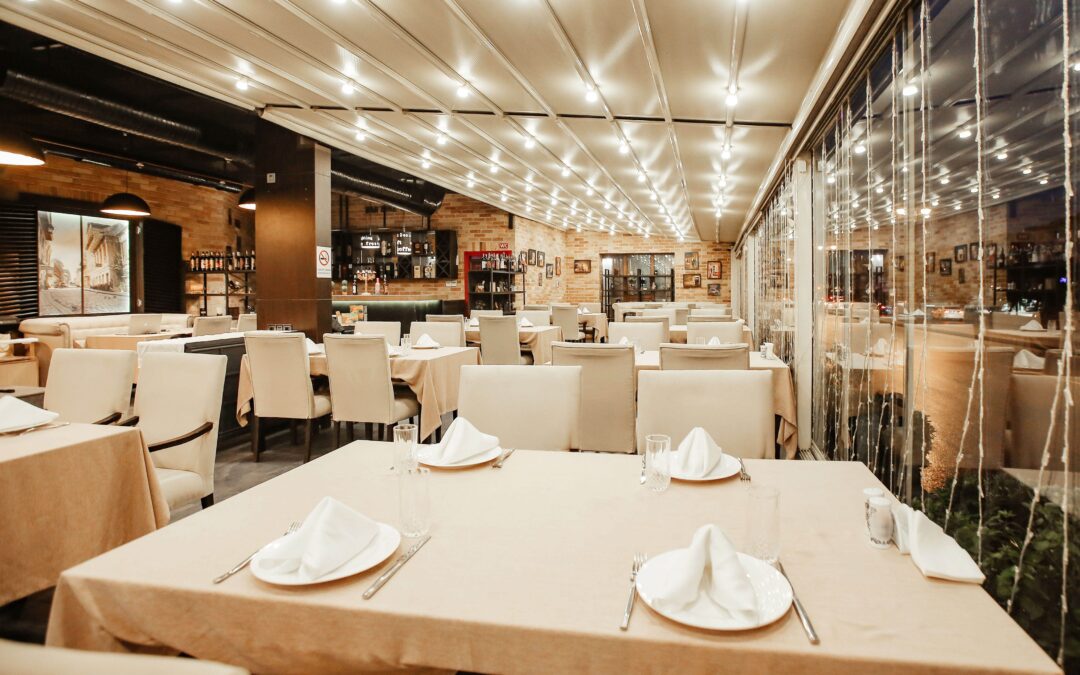
The paradox of restaurants is that excellence gives you a chance to succeed, but never a guarantee. What can separate the survivors from the fallen is not just flawless execution, but whether they managed to capture and hold onto that unexplainable spark that makes a restaurant feel like more than just another place to eat. Failure is explained away by poor execution, bad food, or weak service. But there’s a more painful reality that seasoned operators know well. Sometimes, restaurants fail even when they’ve seemingly done everything right.
Fragile Location
Even with the best menu and service, the wrong location can slowly bleed a restaurant dry. A prime street corner can suddenly become a dead zone if traffic patterns change, nearby construction drags on for years, or a major anchor tenant leaves a shopping complex. Unlike retail chains that can absorb losses across multiple outlets, a single independent restaurant is fully exposed to these shifts. Sometimes, a street or district simply “goes cold,” and no amount of culinary excellence can compensate.
Cost Spiral
Restaurants in high-cost locations operate on notoriously thin margins, often between 3–5 percent. Even when the dining room is full and online reviews glow, one unexpected increase can throw off the balance. A landlord raising rent by 20 percent, a sudden rise in minimum wages, or surging electricity prices can tip the equation into unsustainability. Operators who have perfected their operations are not immune to structural cost increases, they simply have less room to maneuver.
Shifts in Consumer Behavior
Dining trends evolve quickly, sometimes brutally. A restaurant may have captured the zeitgeist perfectly five years ago, only to discover that consumer interest has shifted elsewhere. Consider the decline of buffet dining, or the sudden surge in demand for delivery and takeout during and after the pandemic. A steakhouse, sushi bar, or fine dining room may have executed brilliantly within its category, but if diners migrate toward healthier eating, faster formats, or more casual experiences, excellence in the “old” model may not be enough to survive.
Market Saturation
Some restaurants fail not because they lack quality, but because they exist in a market that is simply oversaturated. In many urban centers, the number of new restaurants opening outpaces population or tourist growth. This creates a zero-sum game where even great restaurants fight for a slice of a static pie. A polished operation can still get lost in the noise if a dozen equally strong competitors open within a few blocks.
Macro Shocks
External events play a cruel role in restaurant survival. The pandemic taught the industry that no amount of good planning can withstand global disruption without deep reserves or structural adaptation. But beyond pandemics, restaurants are vulnerable to recessions, currency fluctuations, and tourism cycles. A restaurant may be thriving one year and collapsing the next, not because it changed, but because the surrounding economy shifted in ways it could not anticipate.
Good Isn’t Good Enough
Restaurants compete not only with one another but also with every alternative use of a customer’s money and time. A restaurant may be technically excellent but lack that emotional pull, such as a signature dish, a charismatic owner, or a sense of belonging. That turns occasional visitors into loyal regulars. Without repeat business, even the best operations cannot sustain themselves, unless they are in a high traffic or popular tourism location.
Investor Pressures
Behind many failed restaurants are partnership conflicts or investor expectations misaligned with reality. A restaurant can be popular, well-run, and still be deemed a failure if it does not deliver the financial returns investors demand. In many cases, partners disagree on strategy, expansion, or cost controls. The public may see a thriving dining room, but behind the scenes the business is unraveling because of decisions unrelated to food or service quality.
The “Magic Touch”
And then there is the intangible factor, the one no business plan can fully capture – the restaurant’s magic touch. It’s not on the menu, not in the décor, and not taught in hospitality schools. It’s the invisible ingredient that makes guests feel alive in a space, makes them linger just a little longer, and makes them return again and again.
At its core, this magic touch is rooted in authenticity, the sense that the place is true to itself, its story, and its people. Sometimes it comes from the charisma of the owner, sometimes from the energy of a team that radiates warmth, and sometimes simply from the “soul” of a place that feels genuine rather than manufactured.
A perfect restaurant can fall flat, while a small, imperfect operation can thrive against all odds, because it exudes honesty, warmth, and a sense of community. That ineffable ingredient often makes all the difference.
Image Credit: https://freepik.com
_ _ _
© CHURRASCO PHUKET STEAKHOUSE / ALL RIGHTS RESERVED
Reprinting, reposting & sharing allowed, in exchange for a backlink and credits
Churrasco Phuket Steakhouse serves affordable Wagyu and Black Angus steaks and burgers. We are open daily from 12noon to 11pm at Jungceylon Shopping Center in Patong / Phuket.
We are family-friendly and offer free parking and Wi-Fi for guests. See our menus, reserve your table, find our location, and check all guest reviews here:
https://ChurrascoPhuket.com/
#Churrascophuket #jungceylon #phuketsteakhouse #affordablewagyu #wagyu
by lspeed | Sep 21, 2025 | KNOWLEDGE: MEAT ESSENTIALS
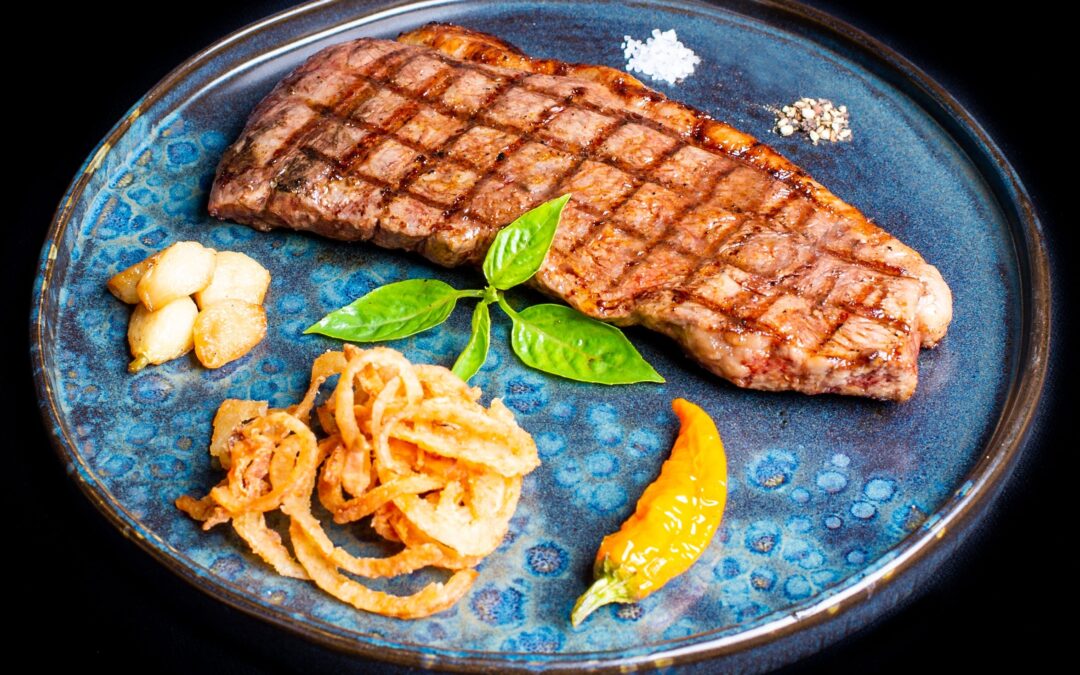
Ask five carnivores if they prefer their steaks on or off the bone, and you’ll get ten different answers and reasons. Each defended with the kind of passion normally reserved for politics or football. The argument seems simple on the surface. Proponents of bone-in steaks swear that the presence of bone somehow adds extra flavor, juiciness, and character to the meat. Others, equally convinced, argue that bone is a romantic distraction, one that makes little difference in taste but a big difference in what ends up on the bill.
The Flavor Argument
Bone-in supporters usually cite two main claims. First, they believe that the marrow inside the bone somehow seeps into the steak during cooking, enriching the flavor. Second, they insist the bone acts as an insulator, slowing down cooking and keeping meat juicier. These ideas sound appealing, but food science tells a different story. Bones are dense, and marrow does not migrate into the muscle during the relatively short cooking time of a steak.
What the bone does do is block heat, creating an uneven cooking surface. This can leave meat near the bone less done than the rest, a detail some diners appreciate, but others find frustrating. In blind tastings we conducted over the years, people always struggle to identify whether a steak was cooked bone-in or boneless. In other words, much of the “flavor difference” comes down to presentation, perception and tradition, not measurable results.
The Value Question
Where the debate becomes more practical, and more important to us as a restaurant, is in the “value for money” part. Ordering a Ribeye “on the bone” means paying a premium steak price for what is an inedible piece of bone. It might look dramatic on a plate, but the fact remains that you cannot eat it. The extra weight you are charged for is not steak, it’s suited for soup stock or frankly, a dog’s dinner.
Guests may feel they are indulging in a more “authentic” experience, but economically they are receiving less edible meat per gram, despite paying more. For us, this crosses a line. Our philosophy at Churrasco Phuket Steakhouse has always been to provide maximum quality and value. We want every Baht spent by our guests to go directly into what they can enjoy, not what ends up on the plate or – yes – in a “doggie bag”.
Why We Serve Only Boneless Cuts
You won’t find Tomahawks or other bone-heavy cuts on our menu. We prefer to serve clean, boneless portions – Ribeye, Tenderloin, Picanha, Oysterblade, Sirloin, etc. These cuts deliver pure eating pleasure without any waste. By eliminating the theatrics of large bones, we focus instead on what truly matters: the sourcing of prime beef, expert aging, precise grilling, and consistent doneness.
These are the factors that shape guest enjoyment far more than whether a bone happens to be attached. Our guests come to us knowing that when they order 300 grams of Wagyu Ribeye, they get 300 grams of Wagyu Ribeye that will not cost them an arm and a leg. That transparency is central to our identity and success as Phuket’s most affordable quality steakhouse, and has served us well over the 13 years we have been in operation.
Image Credit: https://churrascophuket.com
_ _ _
© CHURRASCO PHUKET STEAKHOUSE / ALL RIGHTS RESERVED
Reprinting, reposting & sharing allowed, in exchange for a backlink and credits
Churrasco Phuket Steakhouse serves affordable Wagyu and Black Angus steaks and burgers. We are open daily from 12noon to 11pm at Jungceylon Shopping Center in Patong / Phuket.
We are family-friendly and offer free parking and Wi-Fi for guests. See our menus, reserve your table, find our location, and check all guest reviews here:
https://ChurrascoPhuket.com/
#Churrascophuket #jungceylon #phuketsteakhouse #affordablewagyu #wagyu