by lspeed | Aug 30, 2026 | LIQUORS: LIFT YOUR SPIRITS
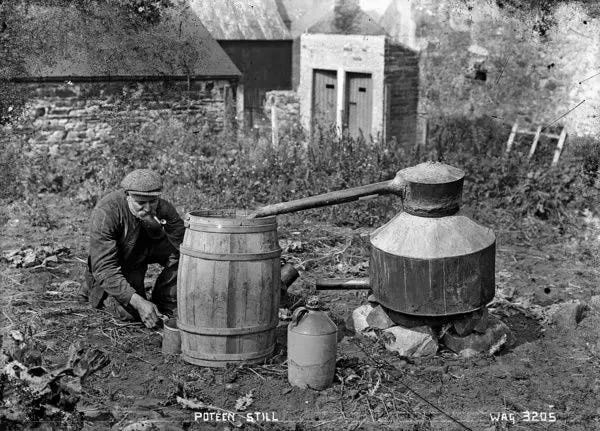
Many Irish whiskey lovers (note the correct spelling) have never heard that for more than three centuries, Ireland had a national drink that officially didn’t exist. Made on remote farms, hidden in wonky sheds, and distilled behind lonely hills, it was only occasionally discovered by thirsty policemen who weren’t always surprised to find it.
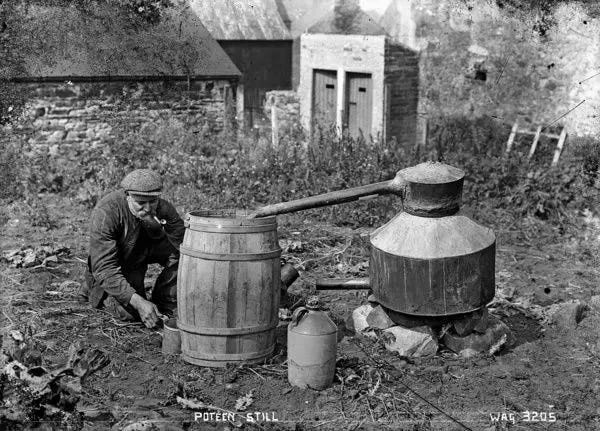
Pronounced roughly put-cheen, the name comes from the Irish pota, meaning pot. Specifically the small pot stills in which it was traditionally distilled. Its ancestry stretches back centuries, to the uisce beatha, or the “water of life” produced in medieval Ireland. Long before whiskey became respectable enough for mahogany bars and airport duty-free shops, rural Irishmen were turning grain into something considerably more entertaining.
The trouble for them began, inevitably, with taxation. Licensing of distillation appeared in Ireland in the 16th century, and by the 1660s the authorities saw alcohol as an excellent source of revenue. Large licensed distillers paid their dues, but farmers with small stills opted for a more economical course of action. Thus emerged the distinction of taxed commercial whiskey on one side, and illicit unaged Poitín on the other.
For the next 300-odd years, making Poitín was part cottage industry, and part cat-and-mouse game. Stills migrated to remote valleys, islands and hillsides. Turf fires were lit in windy weather to disperse the smoke before attracting unwanted official attention. Stills were positioned near property boundaries, allowing ownership to become wonderfully uncertain when the revenue department showed up.
Over time, the drink acquired a formidably rogue reputation. During the Second World War, American servicemen stationed in Northern Ireland were warned about the local potheen in their pocket guides. The stated verdict was a concise “it is dynamite”, earned by its strength. Modern and now legal Poitín starts at 40% alcohol, but rogue or brave versions did and still can climb dramatically higher.
Traditionally made from barley or oats or whatever the countryside supplied. Alternatives were potatoes, sugar beet and other fermentable ingredients. Yet, Poitín was never merely Irish moonshine. It became part of folklore and identity, particularly in western counties such as Galway, Mayo and Donegal. It appears in literature and songs, including The Hills of Connemara and The Rare Old Mountain Dew. Frank McCourt wrote about it, and playwright Martin McDonagh put it into his characters’ hands.
The unlikely transformation from outlaw hooch to brand ambassador came in 1997, with the emergence of legal commercial Poitín in Ireland. Moving up in the polite world, Irish Poitín received European geographical protection in 2008, putting the former contraband booze into the same broad protected-origin world as other distinctly regional European drinks.
Its production is now formally defined and regulated, with names such as Bán, Micil, Mad March Hare and Frank Carr’s pushing Poitín beyond Ireland. Bartenders discovered that its grainy, earthy character works remarkably well in the wilder side of the cocktail spectrum. It even does amazingly well as the core ingredient in Irish Coffee.
The international drinks trade has started treating it less as an Irish curiosity and more as a serious spirits category. And that is its future, I think. Consumers want small-batch spirits with provenance, authenticity and a cool story.
Poitín possesses all three in abundance.
Image Credit: https://spiritstraining.com/cdn/shop/articles/Poitin_600x.png
_ _ _
© CHURRASCO PHUKET STEAKHOUSE / ALL RIGHTS RESERVED
Reprinting, reposting & sharing allowed, in exchange for a backlink and credits
Churrasco Phuket Steakhouse serves affordable Wagyu and Black Angus steaks and burgers. We are open daily from 12noon to 11pm at Jungceylon Shopping Center in Patong / Phuket.
We are family-friendly and offer free parking and Wi-Fi for guests. See our menus, reserve your table, find our location, and check all guest reviews here:
https://ChurrascoPhuket.com/
#Churrascophuket #jungceylon #phuketsteakhouse #affordablewagyu #wagyu

by lspeed | Apr 26, 2026 | LIQUORS: LIFT YOUR SPIRITS
Some drinks arrive quietly, but the Martini enters the room like Bond adjusting his cufflinks, aware of the attention while scanning for targets – females included. Few cocktails have been so mythologised, and fewer still owe their personality to one fictional man in a tuxedo and very firm opinions about dilution.
The famous line, “shaken, not stirred,” did not begin as generally understood and remembered. In the novels by Ian Fleming, Bond is less doctrinaire, occasionally favouring the quieter, more traditional stir. The films, however, sharpened the line into something crisp and iconic. It is less a technical instruction than a personality statement, because Bond does not sip a Martini, he stakes his claim.
Behind the theatrics lies a serious choice – shaken or stirred. Shaking is more dramatic, all show, clatter and urgency, while introducing air and ice shards into the mix. The result is colder, slightly more diluted, and just a touch cloudy. Vodka Martinis tend to thrive here, because subtlety is not the main event. Stirring, by contrast, is the quiet professional – a slow rotation, a controlled chill, an a glass as clear as intent. Gin, with its botanicals and quiet complexities, generally prefers this calmer handling.
If the method is Bond’s opening move, dryness is where things get specific. A Dry Martini does not refer to taste so much as restraint by using less vermouth and more spirit. An Extra Dry Martini borders on philosophical minimalism, with vermouth reduced to a negligible side show. One imagines this as the drink of a familiar Bond villain – austere, precise, and quietly menacing. The kind who owns too many identical suits, loves weird pets and trusts no one.
Then comes the Dirty Martini, which feels like a sudden plot twist. A splash of olive brine shifts the entire scene, adding salt, savoury depth, and a sense that rules are being severely bent. This is not Bond at the baccarat table, but in a dingy backroom deciding how to make his next move “look like an accident”. If the dry Martini is the villain with a contrived monologue about world domination, the dirty Martini is the one who cuts the small talk and opens fire.
Then we have the variations, because the Martini is remarkably adaptable. The Vesper Martini, famously ordered by Bond in Casino Royale, blends gin, vodka, and Lillet Blanc into something that feels like overachievement nowadays. The Gibson swaps the olive for a cocktail onion, introducing a mischievous bite. Further afield, the family expands into different territory, and with mixed results. The Espresso Martini trades espionage for late night momentum, while the Chocolate Martini abandons all shame and wanders off into non-Bond territory.
The Martini is less a single drink than a bonfire of personalities, with each variation feeling like a casting choice. Bond himself understood best that it is never just a cocktail, but a signal.
Order carefully.
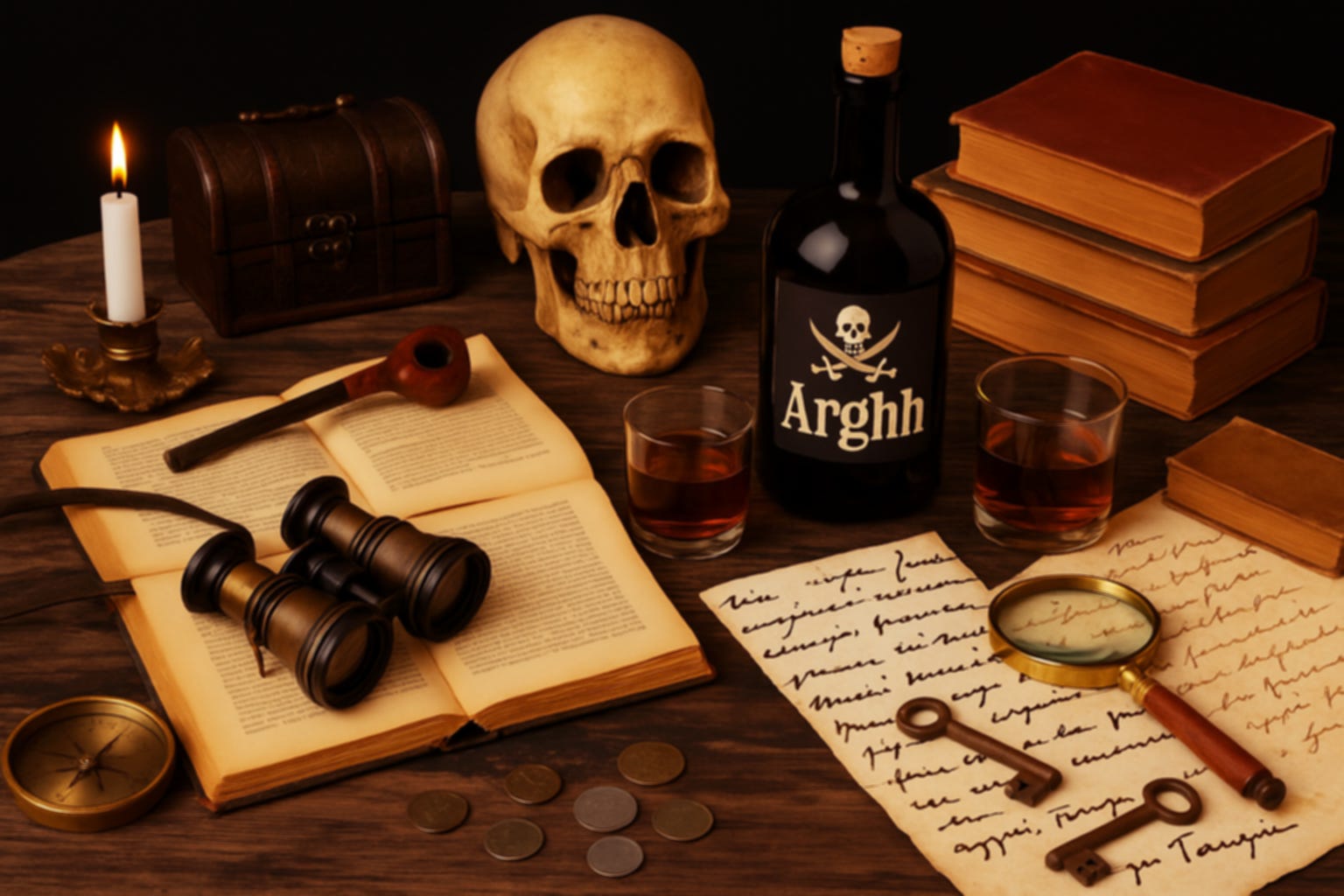
Image Credit: https://www.churrascophuket.com (AI Generated)
_ _ _
© CHURRASCO PHUKET STEAKHOUSE / ALL RIGHTS RESERVED
Reprinting, reposting & sharing allowed, in exchange for a backlink and credits
Churrasco Phuket Steakhouse serves affordable Wagyu and Black Angus steaks and burgers. We are open daily from 12noon to 11pm at Jungceylon Shopping Center in Patong / Phuket.
We are family-friendly and offer free parking and Wi-Fi for guests. See our menus, reserve your table, find our location, and check all guest reviews here:
https://ChurrascoPhuket.com/
#Churrascophuket #jungceylon #phuketsteakhouse #affordablewagyu #wagyu
by lspeed | Mar 4, 2026 | LIQUORS: LIFT YOUR SPIRITS
Some cocktails impress with theatre. They arrive under glass domes filled with smoke, garnished with herbs foraged by a philosopher, and accompanied by a backstory that involves at least one prohibition era gangster. The Caipirinha does not bother with any of that. It stands in the glass, bright and unapologetic, quietly confident in the knowledge that four ingredients, handled properly, can outshine a whole laboratory of mixology tricks.
Brazil’s national cocktail was never designed to be glamorous. The word “Caipirinha” roughly translates to “little country girl” or “little hillbilly,” depending on how generous you feel. Its roots lie in the rural interior of São Paulo in the early twentieth century, where a mixture of lime, sugar and Cachaça reportedly began life as a homespun medicine against the Spanish flu epidemic. Lime offered Vitamin C, sugar provided energy, and Cachaça – so it was hoped – improved the patient’s interest in recovery and the best samba times still to come. What started as practical medicine gradually shed its therapeutic pretence and evolved into something far more important: a social ritual.
At the heart of the Caipirinha is Cachaça, a spirit that predates the cocktail by centuries. First distilled in the sixteenth century on Brazil’s sugarcane plantations, Cachaça is made from fresh sugarcane juice rather than molasses. This distinguishes it from most rums and gives it a distinctly grassy, slightly earthy character. Brazil produces vast quantities of it every year, from industrial bottlings destined for beach kiosks to small batch, barrel-aged expressions that can hold their own in serious tasting circles. It is a spirit with both working class roots and aristocratic ambitions, which feels entirely on brand for a country that moves comfortably between barefoot beach culture and architectural modernism.
In a Caipirinha, however, Cachaça is not trying to prove its pedigree. Its job is to play lead partner to lime, and like any good Latin dance, the success lies in both balance and bravado. Fresh lime wedges are muddled with sugar, just enough pressure to release fragrant oils from the peel and bright juice from the flesh without extracting bitterness. The Cachaça follows, ice settles in, and the mixture is stirred until sweet, sour and spirit align in a way that feels effortless and instinctive. When done well, the drink is neither cloying nor aggressively sharp, but taut and refreshing, with a warmth that arrives a few seconds after the citrus spark.
Part of the Caipirinha’s charm is that it belongs everywhere. In Brazil it appears at beachside kiosks in Rio de Janeiro, at Feijoada lunches in São Paulo (Brazil’s national dish, a rich black bean stew), at impromptu neighbourhood gatherings, and at refined cocktail bars that present it with studied nonchalance. It is democratic without being dull, festive without being frantic, and it pairs particularly well with Latin grilled meat cuts, especially Picanha or Maminha. This explains why it feels so at home in a steakhouse setting like ours at Churrasco Phuket Steakhouse. The acidity cuts cleanly through fat, the sugar softens char, and the Cachaça threads everything together with a subtle sugarcane hum.
As global cocktail culture grew, the Caipirinha travelled. It appeared on menus from London to Singapore to Nairobi, often positioned as an exotic alternative to the Margarita or Mojito. Inevitably, it invited interpretation and variations multiplied. Vodka stepped in to create the Caipiroska, and rum offered the Caipirissima. Bartenders began folding in passion fruit, mango and other tropical accents. Some adaptations feel thoughtful, others contrived. But the original remains the reference point, a reminder that restraint can be more sexy than excess.
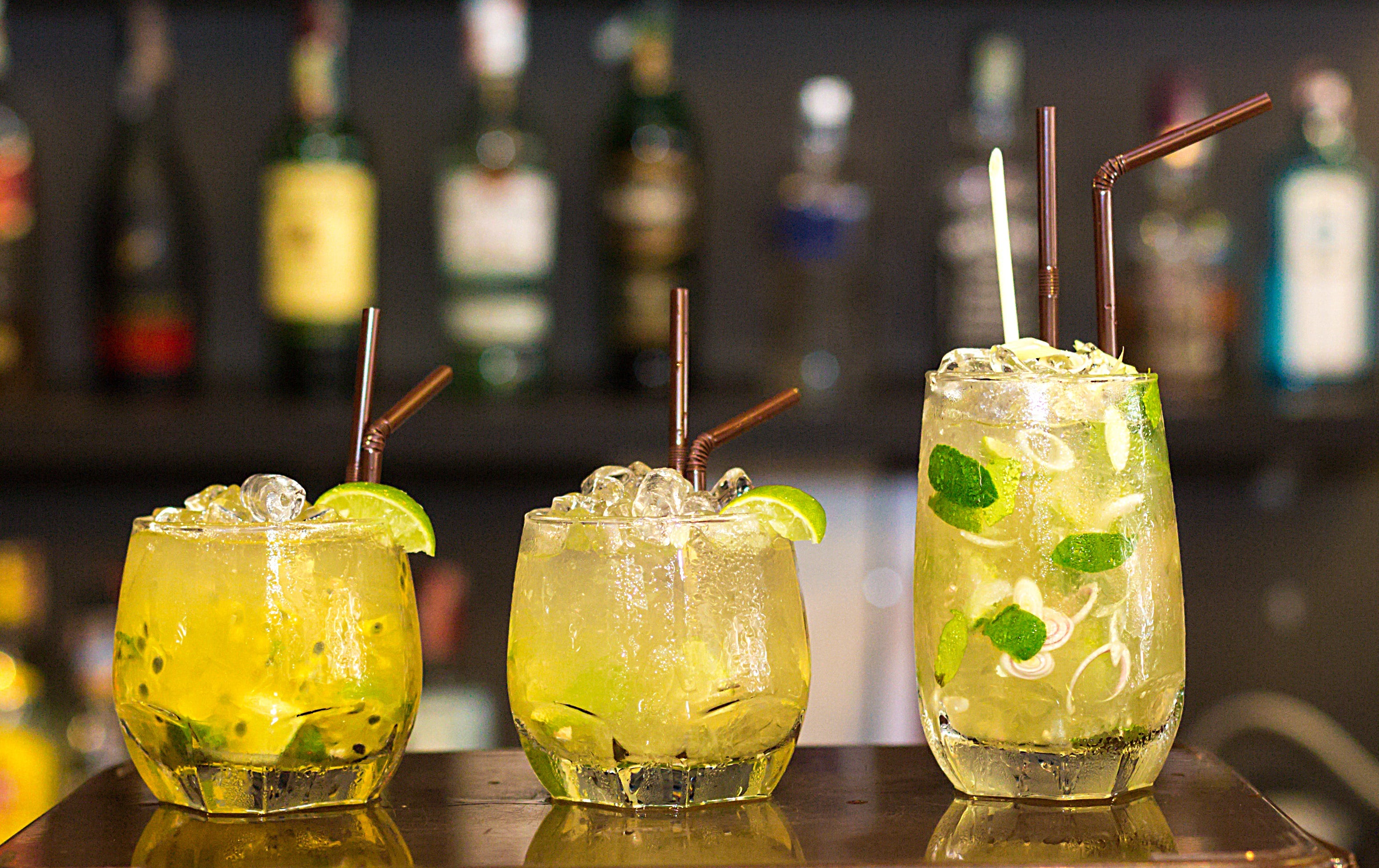
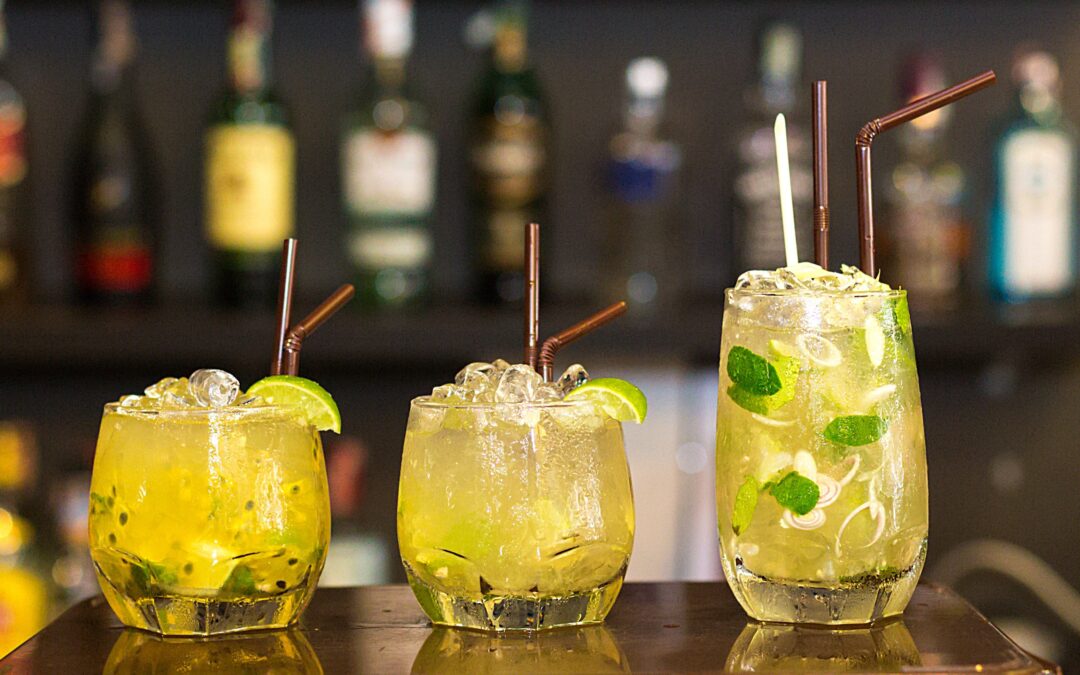
For us at Churrasco Phuket Steakhouse, the Caipirinha fits naturally into the rhythm of what we do. There is something satisfying about serving a drink that shares the same cultural DNA as our menu. Our Churrasco Signature Caipirinha stays fiercely loyal to the classic formula, allowing good Cachaça and properly prepared lime to carry the conversation. Our Passion Fruit Caipirinha leans towards the tropical, adding a layer of fragrance while preserving the citrus backbone that keeps the drink precise. And then there is our unique signature Thai-Pirinha (above right), where lemongrass and lime leaves introduce a Southeast Asian accent that complements Cachaça’s grassy profile in a considered way.
In an age where complexity is often mistaken for sophistication, there is something quietly intelligent about a cocktail that understands its limits and thrives within them. Four ingredients, properly handled, moving together with the ease of a well rehearsed samba. And that is all a real Caipirinha needs to do.
Image Credit: https://churrascophuket.com (Actual Menu Picture)
_ _ _
© CHURRASCO PHUKET STEAKHOUSE / ALL RIGHTS RESERVED
Reprinting, reposting & sharing allowed, in exchange for a backlink and credits
Churrasco Phuket Steakhouse serves affordable Wagyu and Black Angus steaks and burgers. We are open daily from 12noon to 11pm at Jungceylon Shopping Center in Patong / Phuket.
We are family-friendly and offer free parking and Wi-Fi for guests. See our menus, reserve your table, find our location, and check all guest reviews here:
https://ChurrascoPhuket.com/
#Churrascophuket #jungceylon #phuketsteakhouse #affordablewagyu #wagyu
by lspeed | Dec 24, 2025 | LIQUORS: LIFT YOUR SPIRITS
Rum has had quite the glow up. It has grown up without developing a superiority complex. Unlike whisky culture, where single malts are sometimes discussed in hushed tones and judged by how many people you manage to intimidate by discussing them, rum remains refreshingly relaxed. It can be serious without being solemn, and refined without demanding silence or a tasting notebook. Today’s rum world is broad and occasionally confusing, so let us unpack the main styles without turning it into a chemistry lecture. Think of this as rum, explained with one raised eyebrow and a discreet pirate’s growl.
Standard Rum: The White & Golden Motherships
Standard rum is rum in its most honest form. No perfume, no costume changes, no dramatic back story about ancient monks. Just fermented sugarcane, distilled, and aged or not aged depending on intent. It can be made from sugarcane juice, syrup, or molasses, and those choices a great deal.
White rum is usually clear, light, and either non-aged or aged briefly before filtration removes colour. It is crisp, slightly sweet, and often underestimated. In the right hands it is elegant. In the wrong hands it is just alcohol with a tan. Gold rum spends time in barrels, usually oak, picking up colour and a bit more personality. Think gentle vanilla, soft caramel, and a hint of warmth.
This is rum starting to find its voice as the backbone of the category. Everything else builds on it, decorates it, or occasionally distracts from it.
Dark Rum: Where Things Get Serious
Dark rum has seen longer barrel ageing or heavier barrels, sometimes both. It is where wood stops being a background detail and becomes a co-author. Most dark rums mature in oak barrels, often ex bourbon casks that have already had one hard life in Kentucky before heading south for a second career. These barrels are not simply storage vessels, but deliberately prepared with fire.
Charring and toasting caramelise the wood’s natural sugars, crack open the oak’s structure, and create layers of flavour that the rum slowly absorbs over years. The level of heat matters. A light toast encourages vanilla and gentle sweetness. A heavier char brings smoke, spice, cocoa, and deeper caramel notes, along with that unmistakable toasted wood character.
In tropical climates, where rum ages faster due to heat and humidity, the interaction between spirit and barrel is intense. Rum breathes in and out of the wood more aggressively than whisky ever could in cooler climates, picking up colour and complexity at speed, while also losing more spirit to evaporation, the so called “Angel’s Share”.
While American oak dominates, it is not the only in play. French oak appears in some Caribbean and Latin American rums, contributing tighter grain, drier tannins, and a spicier, more structured profile. Spanish oak, often previously used for sherry, lends dried fruit, nutty richness, and wine like depth. In parts of Asia and South America, local hardwoods have historically been used, adding regional character and reminding us that rum has always been pragmatic as well as creative.
Spiced Rum: Rum with Opinions
Spiced rum begins life as standard rum, then someone decides it needs more drama. Spices, herbs, and flavourings are added, commonly cinnamon, clove, nutmeg, vanilla, and sometimes citrus peel. Occasionally things get more creative, but not always in a good way. The result is warmer, sweeter, and louder than non-spiced rum. Spiced rum does not whisper, it announces itself. This makes it popular in casual drinking, long mixed drinks, and cocktails where subtlety is not the main objective.
Spiced rum is often criticised by purists, usually while they sip something aged in a barrel that once held a rare tree from a protected forest. Ignore them. Spiced rum has its place. It is friendly, accessible, and forgiving. It also does very well with cola, which is information worth respecting. Just remember that spiced rum is more about flavour design than terroir. You are drinking a recipe, not a geography lesson.
Solera Rum: The Smooth Talker
Solera rum borrows its ageing system from sherry production. Barrels are stacked in tiers. The oldest rum sits at the bottom, the youngest at the top. When rum is bottled, it is drawn from the bottom tier and replaced with slightly younger rum from above, and so on up the stack. What this means in the glass is consistency and balance. No sharp edges. No awkward youthfulness. Just a smooth blend where older and younger rums hold hands and behave.
Flavours often include caramel, dried fruit, soft oak, and gentle sweetness. Solera rums are designed for sipping, ideally slowly, ideally without ice, and ideally without someone insisting you try it with tonic. The trade off is transparency. Age statements on solera rums can be confusing. When a bottle says twenty three years, it does not mean the rum is twenty three years old. It means somewhere in that system, a rum of that age exists. This is not deception, but it is marketing poetry.
The Choice
Once the drink of sailors, pirates, and anyone with optional dental hygiene, rum now sits confidently on bar shelves, next to single malt whiskies and small batch gins. Same sugarcane roots, very different manners, and a stubborn refusal to be boxed in. It can be serious without being solemn, playful without being silly, and refined without losing its sun soaked soul.
Standard rum shows technique. Dark rum shows character. Spiced rum shows flair. Solera rum shows polish. None is superior, they simply serve different moods and moments. Choose the style that suits the moment, pour generously, and remember that even the most elegant rum started life as sugarcane, ambition, and perhaps a bit of smuggling.
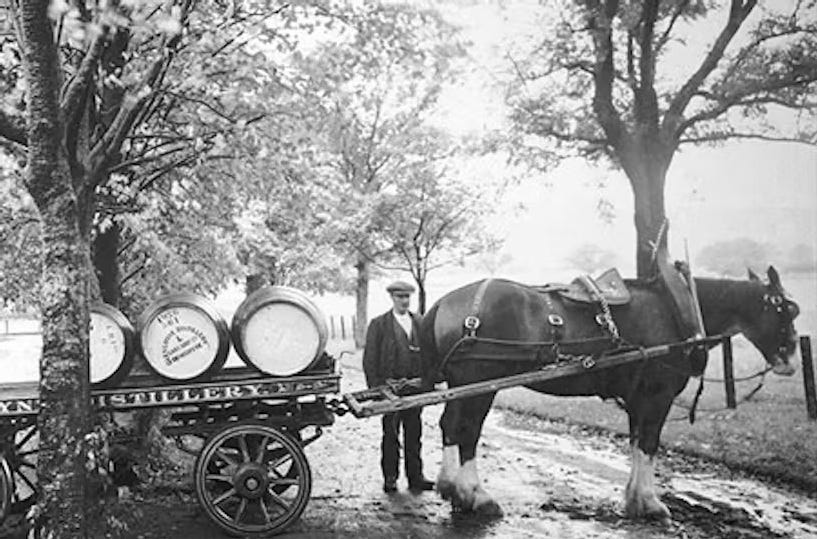
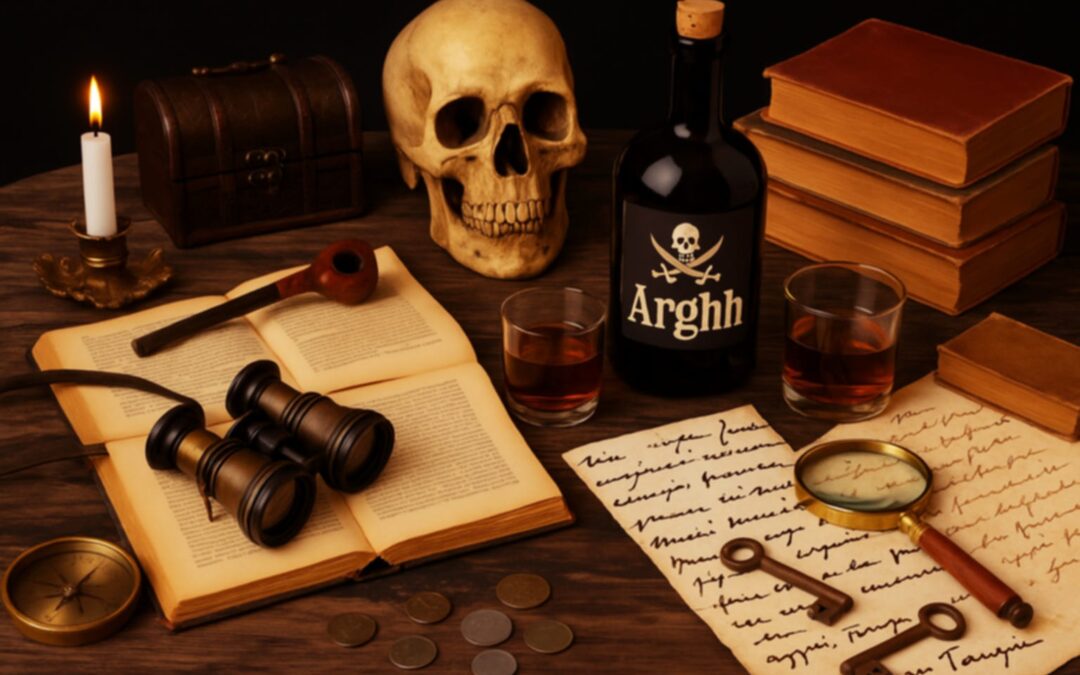
Image Credit: https://www.churrascophuket.com
_ _ _
© CHURRASCO PHUKET STEAKHOUSE / ALL RIGHTS RESERVED
Reprinting, reposting & sharing allowed, in exchange for a backlink and credits
Churrasco Phuket Steakhouse serves affordable Wagyu and Black Angus steaks and burgers. We are open daily from 12noon to 11pm at Jungceylon Shopping Center in Patong / Phuket.
We are family-friendly and offer free parking and Wi-Fi for guests. See our menus, reserve your table, find our location, and check all guest reviews here:
https://ChurrascoPhuket.com/
#Churrascophuket #jungceylon #phuketsteakhouse #affordablewagyu #wagyu
by lspeed | Dec 14, 2025 | LIQUORS: LIFT YOUR SPIRITS
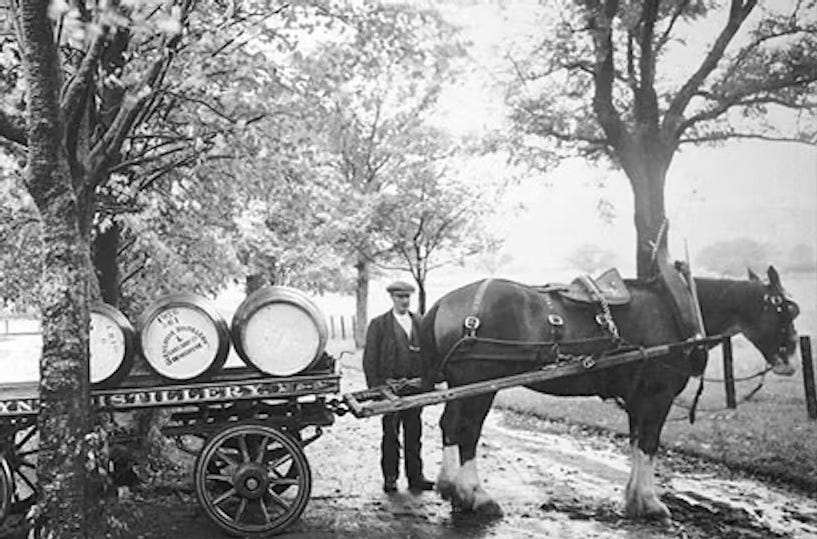
Fine Scotch whisky tends to inspire reverence. For many, it is less a beverage and more a cultural artefact – swirled slowly, discussed seriously, and occasionally defended with the kind of passion usually reserved for national football teams. Yet its history is far more grounded than the myths that surround it. Scotch wasn’t born in a lightning bolt of genius, or handed down by ancient Highland sages who gazed into the mist, whispered a spell, and conjured liquid gold into being. It was built patiently over centuries by farmers, monks, smugglers, tinkerers, and later by the sort of industrial minds who believed good things should be made at scale.
Friar Cor and the Fiery Beginning
The first written mention arrives in 1494, tucked into Scotland’s Exchequer Rolls, where King James the Fourth supplied Friar John Cor with enough barley to produce aqua vitae. That early spirit – though admirable for its time – bore little resemblance to what we sip today. It was strong, sharp, and decidedly un-aged. A drink taken more out of necessity or remedy than leisurely indulgence. Nobody was nosing for hints of honey or lingering finish. Survival, not sophistication, defined the era.
Distillation Arrives by Way of Europe
Few Scots will admit that Scotland didn’t actually invent distillation. The practice travelled through Europe courtesy of monks, physicians, and alchemists, who were often pursuing medicine rather than merriment. In rural Scotland, distilling became part of agricultural life, a practical way to convert surplus grain into something preserved and portable. These early makers weren’t thinking about terroir or brand identity. They were simply ensuring that good grain was converted into something valuable, drinkable, and dangerously flammable. The artistry we associate with whisky today would take centuries to emerge.
Oak Casks: The Happy Accident
Modern whisky lovers speak of cask influence with deep respect, but those early distillers did not lovingly select oak for its flavour properties. Nobody expected them to impart flavours of vanilla, toast, and gentle smugness. Oak was durable, abundant, and useful for transport. Yet over time, it revealed itself as a quiet craftsman. Spirit stored in oak softened, deepened, and transformed. The magic only became apparent over time, when spirit went into the cask angry and came out surprisingly pleasant. What started as a logistical solution became an integral part of the craft. Generations of distillers refined the practice, turning accident into tradition and tradition into standard.
The Illicit Years: Creativity Faces The Taxman
By the seventeenth and eighteenth centuries, taxation had become a defining force. Heavy duties made legal production nearly impossible for small-scale distillers, and so they adapted. Illicit stills dotted the landscape, operated with ingenuity and discretion. Quality ranged from rough to excellent, depending on who was running the still and how much haste was involved. Some was excellent, others could strip paint. These whiskies were almost always young, for obvious reasons. A cask left to slumber for a decade risked being discovered long before it became drinkable.
1823: The Year Scotch Went Respectable
The Excise Act of 1823 marked the great turning point. Suddenly, legal distillation became not only possible but sensible. A reasonable licence fee and more practical duties encouraged distillers to step into the light. With legality came stability. With stability came investment. Better equipment, longer ageing, and consistent practices took root. Scotch whisky began its steady march from rustic firewater to refined national treasure. Think of it as the moment the whisky industry collectively put on a clean shirt and decided to stop running from the authorities.
Innovation Arrives: The Coffey Still
In 1830, Aeneas Coffey patented his continuous still, a piece of engineering that changed production forever. It allowed for cleaner, lighter grain spirit to be produced at scale. When blended with traditional malt whisky, it created a balanced, approachable style that suited global markets. Rather than replacing the pot still, the Coffey still broadened the palette. Scotch could now be nuanced in more ways, its character shaped by blending as much as by place. Even better, it could be produced in quantities large enough to satisfy the ever-thirsty British Empire. Blended Scotch was practical, scalable, and still tasted recognisably Scottish.
Blends Conquer the World
Blended Scotch did not triumph through romance but through human stubbornness. It was consistent, versatile, and far easier to produce in the quantities needed abroad. The combination of malt complexity and grain elegance created something both distinctive and accessible. And perhaps that is its true charm. Every sip is a reminder that great things often come from imperfect beginnings. Blended Scotch became the global ambassador for the craft, opening the doors that single malts would later walk through proudly.
The Final Dram
Let us always remember that Scotch whisky did not arrive fully formed. It evolved, stumbled, improved, and eventually triumphed. Its romance lies not in legend but in truth. Its history honours the many hands that shaped it, from monks and farmers to modern distillers who continue the work with both discipline and pride. A reminder that great crafts are not invented, but earned over time.
Image Credit: https://www.glengoyne.com/our-way/our-legacy
_ _ _
© CHURRASCO PHUKET STEAKHOUSE / ALL RIGHTS RESERVED
Reprinting, reposting & sharing allowed, in exchange for a backlink and credits
Churrasco Phuket Steakhouse serves affordable Wagyu and Black Angus steaks and burgers. We are open daily from 12noon to 11pm at Jungceylon Shopping Center in Patong / Phuket.
We are family-friendly and offer free parking and Wi-Fi for guests. See our menus, reserve your table, find our location, and check all guest reviews here:
https://ChurrascoPhuket.com/
#Churrascophuket #jungceylon #phuketsteakhouse #affordablewagyu #wagyu
by lspeed | Oct 19, 2025 | LIQUORS: LIFT YOUR SPIRITS
Vodka is about clarity of spirit and neutrality of taste, but that hasn’t stopped brands from going overboard when it comes to branding and packaging. In a fiercely competitive market, distilleries push the limits of design and backstory. From sci-fi inspirations to luxury objets d’art, here are 10 of the more unusual vodkas you can buy and drink – or just collect and brag about:
1. Good Vodka (Green Alien Head Bottle)
Country: USA
What Makes It Unusual: This neon-green alien-shaped bottle screams Area 51. The extraterrestrial design makes no attempt at subtlety, and that’s the point — it taps into pop culture and conspiracy theory aesthetics for full novelty value. The vodka itself is usually neutral grain-based, but let’s be honest — the draw here is entirely visual. It’s fun, weird, and unapologetically gimmicky.
Market Niche: Perfect for Halloween parties, UFO conventions, or as a “conversation piece” on a back bar.
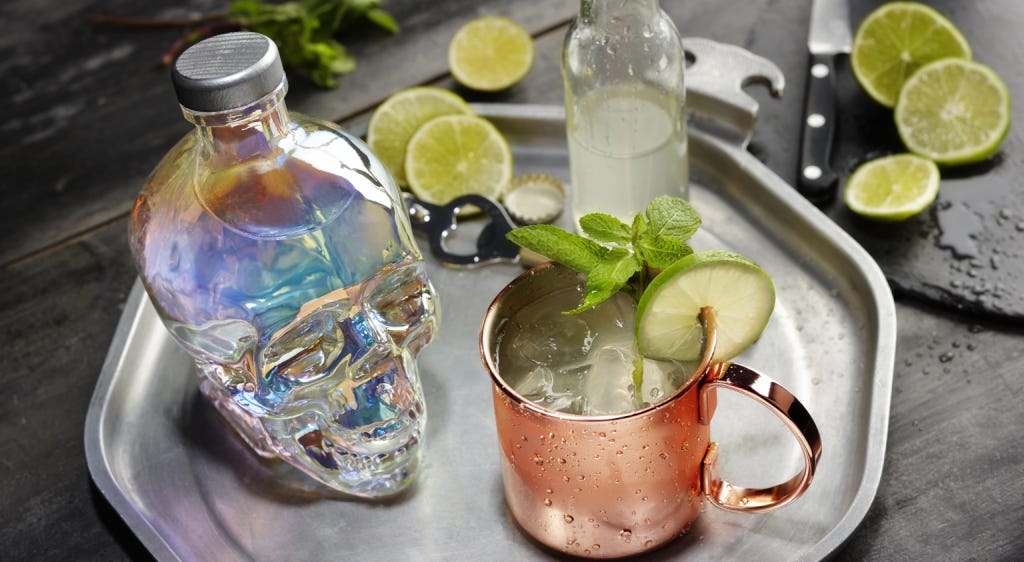
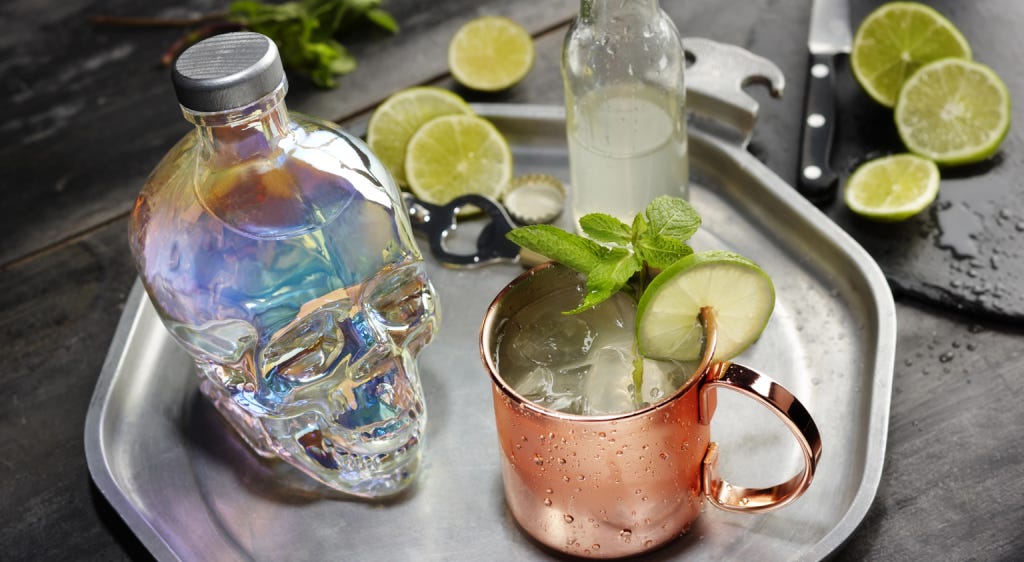
2. Crystal Head Aurora Vodka (Iridescent Skull Bottle)
Country: Canada
What Makes It Unusual: Dan Aykroyd’s Crystal Head Vodka gets a facelift with the Aurora edition, featuring an iridescent finish inspired by the Northern Lights. Made from English wheat and distilled five times, it’s filtered through Herkimer diamonds — a detail as mystical as the skull bottle suggests.
Luxury Meets Spirituality: The bottle’s shimmering sheen and skull shape tap into both spiritual and high-design aesthetics, blurring the line between spirit and sculpture.
3. NEFT Vodka (Mini Oil Barrel)
Country: Austria (Russian founders)
What Makes It Unusual: A premium vodka in a petroleum-style black oil drum? NEFT’s industrial-chic packaging flips luxury expectations. It’s designed to be rugged, unbreakable, and keeps the vodka cold for longer.
Storyline: NEFT, meaning “oil” in Russian, is a nod to its Siberian roots and the founders’ oil industry backgrounds. Inside is an award-winning vodka made from Austrian spring water and non-GMO rye.
4. Firestarter Vodka (Red Fire Extinguisher)
Country: Moldova
What Makes It Unusual: One of the most tongue-in-cheek designs in vodka, Firestarter comes in a red bottle shaped exactly like a fire extinguisher, nozzle and all. It’s a hit at bars and events purely for the visual gag.
Functionality: The twist-off valve doubles as a pour spout. Beyond the novelty, the vodka is quintuple-distilled from winter wheat.
5. Ocean Organic Vodka (Blue Orb Bottle)
Country: Hawaii, USA
What Makes It Unusual: This spherical bottle tilts like the Earth on its axis — and that’s no accident. Ocean Vodka’s packaging is a visual metaphor for sustainability and global responsibility. The spirit inside is made from organic sugarcane and deep ocean mineral water from 3,000 feet below the surface.
Environmental Ethos: It’s not just about aesthetics — this is a vodka designed to embody environmental values from distillation to design.
6. Kors Vodka (Sculpted Decanter with Gold Accents)
Country: Unknown (Marketed as Ultra-Luxury)
What Makes It Unusual: This is a vodka that competes with ultra-premium cognacs and perfumes. Its crystal-cut decanter, gold ornamentation, and velvet-lined packaging position it in the four-digit pricing tier.
Wild Claim: Kors boasts it uses a recipe once favored by Russian tsars and is distilled with water sourced from Arctic ice. Whether that’s marketing fiction or not, the brand banks on the “most expensive vodka” niche.
7. Absolut Elyx (Copper-Themed Bottle)
Country: Sweden
What Makes It Unusual: This copper-streaked bottle of Elyx stands apart visually, but its real twist is in the production: it’s distilled in a vintage 1921 copper still, giving the spirit its signature silky texture. Elyx has also leaned heavily into fashion, design, and influencer culture, offering copper pineapples, mugs, and swan-shaped vessels.
Elegance with Edge: Not the weirdest design on this list, but certainly one of the most design-forward luxury vodka rebrands.
8. Holland Vodka (Tall, Glass Bubble Base)
Country: Netherlands
What Makes It Unusual: This ultra-tall, sleek bottle with a glass orb base combines minimalism with kinetic curiosity — the round bottom lets the bottle rock slightly without tipping over.
Dutch Precision: It’s made from wheat and spring water using a five-step distillation process. The look is more chemistry lab than traditional liquor store.
9. Tsarskaya Gold (Fabergé Egg Service Set)
Country: Russia
What Makes It Unusual: Possibly the most decadent vodka service ever imagined, this isn’t just a bottle — it’s an entire Fabergé-style egg that opens up to reveal a set of mini bottles and glasses. The bottle design itself evokes the height of Russian imperial luxury.
Collector’s Item: This is not a casual drinker’s vodka — it’s museum-level kitsch and Old World pomp at its peak.
10. Stolichnaya Elit “Frozen” Edition (Frosted Silhouette)
Country: Latvia (Russian heritage)
What Makes It Unusual: Stoli Elit is already a premium line, but the sleek, elongated “Frozen” bottle edition evokes the icy purity the brand boasts about. With an almost aerodynamic design and matte-black or frosted finish (depending on the edition), it’s a stylistic declaration.
Cold Filtration: The vodka is filtered at sub-zero temperatures, adding credence to the chilly aesthetic.
Image Credit: https://www.crystalheadvodka.com/crystal-head/aurora/
_ _ _
© CHURRASCO PHUKET STEAKHOUSE / ALL RIGHTS RESERVED
Reprinting, reposting & sharing allowed, in exchange for a backlink and credits
Churrasco Phuket Steakhouse serves affordable Wagyu and Black Angus steaks and burgers. We are open daily from 12noon to 11pm at Jungceylon Shopping Center in Patong / Phuket.
We are family-friendly and offer free parking and Wi-Fi for guests. See our menus, reserve your table, find our location, and check all guest reviews here:
https://ChurrascoPhuket.com/
#Churrascophuket #jungceylon #phuketsteakhouse #affordablewagyu #wagyu