by lspeed | Oct 10, 2025 | DECODING GRAPES: FROM VINES TO VINTAGE
History
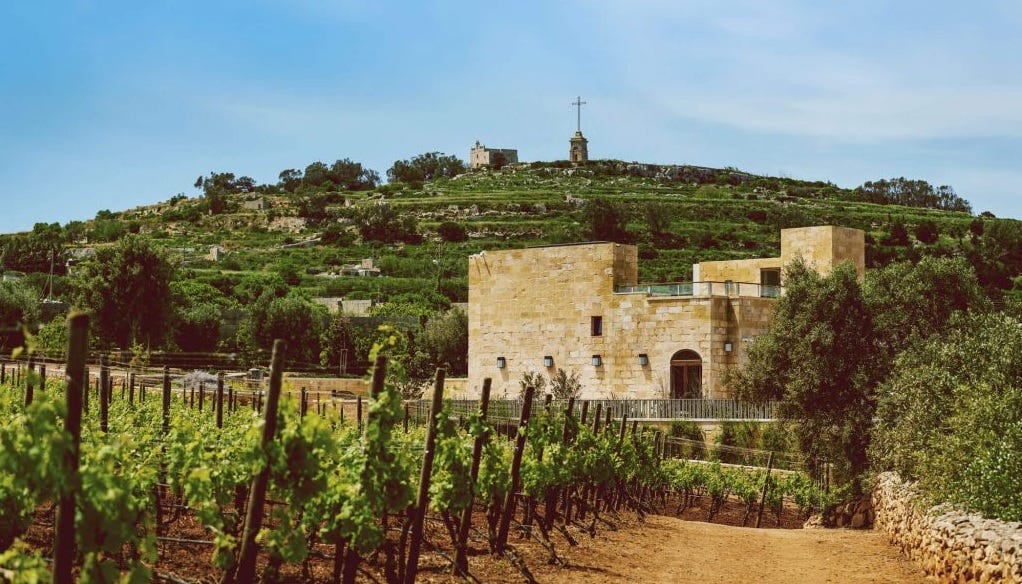
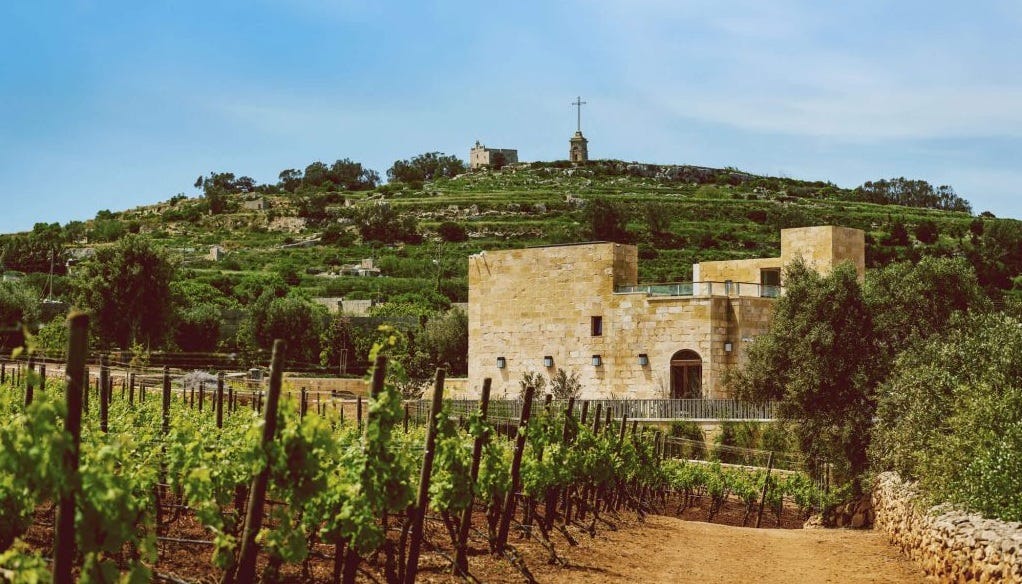
Wine production in Malta dates back thousands of years. The Phoenicians introduced vines and viticulture to the islands as early as 800 BC. Later, Roman settlers expanded vineyard plantings and embedded wine in daily life and trade. During the Arab period, vine cultivation declined but was not erased. The arrival of the Knights of St John in the sixteenth century gave viticulture new momentum. The Knights encouraged planting, and wine was both consumed locally and traded across the Mediterranean.
In the nineteenth century, phylloxera devastated many European vineyards. Malta was affected less severely but nonetheless saw a restructuring of its vineyards. British colonial presence also influenced wine consumption patterns, introducing fortified wines and a taste for imported labels. For much of the twentieth century, Maltese wines were dominated by bulk production with limited international exposure. From the 1970s onward, investment in modern winemaking began to raise quality standards. EU membership in 2004 reinforced regulatory frameworks and introduced protected designations that helped shape Malta’s contemporary wine identity.
Appellations
Malta’s small land area and limited vineyard holdings mean its wine sector is compact yet regulated. Two designations now structure production: DOK (Denominazzjoni ta’ Origini Kontrollata) for wines from Malta and from Gozo, and IĠT (Indikazzjoni Ġeografika Tipika) for broader geographical wines. These frameworks mirror continental European models and provide producers with a clear labeling system.
The country’s warm Mediterranean climate, moderated by sea breezes, provides conditions well suited to both indigenous and international grape varieties. Rainfall is scarce in summer, making water management a critical aspect of viticulture. The limestone soils, ranging from deep clay to rocky outcrops, add further variation in vineyard expression.
Grape Varieties
Maltese vineyards host a mix of native and international grapes. The two principal indigenous varieties are Gellewza (red) and Girgentina (white). Gellewza has traditionally produced light reds and rosés, though modern vinification has shown its potential for more structured styles. Girgentina is valued for producing fresh white wines suited to local cuisine and climate.
Alongside these, international grapes dominate acreage. Cabernet Sauvignon, Merlot, Syrah, Grenache, and Chardonnay are widely planted. Viognier, Sauvignon Blanc, and Moscato have also found niches. Producers often use international grapes to make varietal wines for export markets, while native varieties remain an anchor for wines aimed at emphasizing Maltese heritage.
Main Wines
The Maltese portfolio today spans red, white, and rosé wines, with sparkling and sweet wines appearing in smaller volumes.
-
Red wines: Based largely on Merlot, Syrah, and Cabernet Sauvignon, often blended with Gellewza. These wines can range from youthful fruit-driven styles to more complex barrel-aged expressions.
-
White wines: Chardonnay leads, sometimes blended with Girgentina or Sauvignon Blanc. Whites often emphasize freshness and balance.
-
Rosé wines: Popular locally, produced mainly from Gellewza or blends with Syrah.
-
Sparkling wines: A niche category, often from Chardonnay and Girgentina, produced both by Charmat and traditional methods.
-
Sweet wines: Limited but present, sometimes from Moscato or late-harvested Girgentina.
The sector is led by a handful of major wineries, including Marsovin and Delicata, which operate extensive vineyard contracts and modern facilities. Smaller boutique producers have emerged, often highlighting native grapes and artisanal methods. Together, they ensure that Malta offers both commercial volumes and niche wines.
Market Reach
Malta’s domestic market is the principal outlet, with restaurants, hotels, and tourism driving demand. The local population is small, so visitor consumption plays an essential role in sustaining volumes. Cruise passengers, resort guests, and business travelers are introduced to Maltese wines, often leading to modest export opportunities.
Exports remain limited due to small production and high domestic demand. The United Kingdom, Italy, and northern European countries are the main external markets. Export strategies often focus on wines that emphasize Maltese origin and heritage, such as bottlings of Gellewza and Girgentina, while international varietals compete in broader markets.
Outlook
The Maltese wine industry stands at the intersection of history and modern practice. While volume will always be modest, there is space for growth in recognition, particularly through tourism and niche export markets. Trade professionals assessing Malta should note its dual identity: on one hand, a heritage of Gellewza and Girgentina, and on the other, a commercially viable range of international varietals. Its wines reflect a unique Mediterranean setting and a determined focus on consistent quality. For aficionados, Maltese wines represent a compact but distinctive addition to the wider European portfolio.
Image Credit: https://www.tabetta.com/
_ _ _
© CHURRASCO PHUKET STEAKHOUSE / ALL RIGHTS RESERVED
Reprinting, reposting & sharing allowed, in exchange for a backlink and credits
Churrasco Phuket Steakhouse serves affordable Wagyu and Black Angus steaks and burgers. We are open daily from 12noon to 11pm at Jungceylon Shopping Center in Patong / Phuket.
We are family-friendly and offer free parking and Wi-Fi for guests. See our menus, reserve your table, find our location, and check all guest reviews here:
https://ChurrascoPhuket.com/
#Churrascophuket #jungceylon #phuketsteakhouse #affordablewagyu #wagyu

by lspeed | Oct 8, 2025 | BLACK BOX: RANTS, RAVES, REVIEWS & RECIPES
On certain nights, running a steakhouse is like hosting a wedding where every guest is the bride, every steak is the bouquet, and the kitchen is the band that keeps getting asked to change the song mid chorus. We have spent years perfecting how to coax flavor from fire, how to turn a piece of raw beef into something people photograph before they eat and never forget, and how to smile politely when someone orders filet mignon well done with a glass of soda water and a side of Tabasco mayo.
Our job is to make your dinner great and to have you leave happy. But once in a while, just as your server turns to head back to the kitchen, guests say something that stops us in our tracks. Something that makes the grill cook stare into the flame a little longer than necessary. Something that signals this meal might be heading for what we like to call a slow and avoidable compromise.
What follows is not a rulebook and not actually a proper rant. It is a short and useful guide to a few phrases we hear far too often. Phrases that almost always lead to regret, confusion, or an underwhelming bite of beef. Here are our top hits:
“Can I get it medium plus”
We hear this one a lot, and every time, we have the same reaction. Medium plus is not a thing. There is no secret setting between medium and medium well that only certain restaurants know about. It is not a doneness level. It is a feeling, and feelings are hard to grill. What usually happens is that we cook your steak just past medium, land it somewhere around medium well, and hope for the best. But we would much rather just talk about what you actually want. If you want less pink but still want it to be tender, we can do that. Just tell us. We promise we will not make you say it in Latin or use technical terms. Just describe what you are after, and we will take care of the rest.
“What steak is trending right now”
This one always feels like someone is asking for the limited edition sneaker version of beef. Steak does not trend. There is no seasonal launch. Cuts do not go in and out of fashion like handbags or soft drinks. If you saw something specific on social media and want to ask if we have it, by all means do. But do not expect steak to follow a hype cycle. We are not here to reinvent the ribeye every three months. We serve the classics because they are good. Because they work. Because nothing beats a properly seared sirloin or a marbled ribeye with just enough fat to remind you why you came here in the first place.
“I have the filet, but can I make changes?”
This is usually said in the tone of someone who believes they are being very reasonable. But what sounds like a few harmless swaps often results in a kitchen trying to build a dish that no longer makes sense. We will always do what we can. Allergies, of course. Sensitivities, absolutely. But once you start removing ingredients, changing sauces, adjusting cooking techniques, and adding substitutions, the dish is no longer what we designed. And while we will cook it, it will likely not be something we feel great about serving. If there is something specific you are avoiding, just say so. But if it is more about trying to improve a dish that is already balanced, maybe try ordering it the way it was meant to be served. You might be pleasantly surprised.
“Can you make it quick”
This one usually comes with a smile and a glance at a phone screen showing a countdown to a concert or airport check in. And while we understand that everyone is busy, we feel obligated to point out that steak does not respect your schedule. It takes time to cook a steak properly. It takes more time to rest it properly. And while we can absolutely suggest something faster, asking us to hurry the cooking process is like asking a baker to rush a soufflé. You can do it, but you will not like what comes out. If you are in a rush, just tell us. We can help. But please do not ask us to shortcut something that needs time to be good.
“I do not drink white wine with steak”
That is fine. But you should know that it is not a rule. It never was. Red wine goes beautifully with beef. Everyone knows that. But there are plenty of white wines that can hold their own. A full bodied white with oak and acidity can cut through a rich sauce. A mature white Rioja or Sémillon can bring out flavors in aged beef that most reds never touch. And if you have never had Champagne with a pepper crusted tenderloin, then you are missing out on something strange and wonderful. We are not saying you should switch teams. But if you usually drink white, do not let old habits talk you out of it. Let us help you find a pairing that works. That is what we are here for.
So Please – Let Us Do What We Do
We are not here to turn steak into a sacred ritual with rules and penalties. We are here to serve a meal that feels worth it. A dinner that reminds you why people still go out to dinner. A meal you might actually remember the next day.
It is because we care about the outcome. That is why you are here and why we still love this business. Even when someone orders a wagyu ribeye well done and asks for banana ketchup on the side. We’ll make sure it’s coming right up …
Image Credit: https://freepik.com
_ _ _
© CHURRASCO PHUKET STEAKHOUSE / ALL RIGHTS RESERVED
Reprinting, reposting & sharing allowed, in exchange for a backlink and credits
Churrasco Phuket Steakhouse serves affordable Wagyu and Black Angus steaks and burgers. We are open daily from 12noon to 11pm at Jungceylon Shopping Center in Patong / Phuket.
We are family-friendly and offer free parking and Wi-Fi for guests. See our menus, reserve your table, find our location, and check all guest reviews here:
https://ChurrascoPhuket.com/
#Churrascophuket #jungceylon #phuketsteakhouse #affordablewagyu #wagyu

by lspeed | Oct 5, 2025 | BLACK BOX: RANTS, RAVES, REVIEWS & RECIPES
Headlines proclaim that Generation Z, the cohort born between the mid-1990s and early 2010s, is drinking far less than those who came before them. Market analysts, health commentators, and beverage companies themselves have embraced the label of a “sober generation.” But as more data comes in, the story looks less like a tale of permanent abstinence and more like one of evolution and context.
The Decline
The case for Gen-Z drinking less rests on some strong numbers. According to a recent Morgan Stanley report, Gen-Z consumes about 30 percent less alcohol than Millennials did at the same age. In the U.S., average weekly drinks among 18-34 year-olds have dropped from 5.2 to 3.6 over the past two decades.
This decline is not limited to young people. Spirits sales fell by 8 percent in a single four-week period this year, while beer volumes are down more than 5 percent year-on-year. Even the once-reliable 35–54 age bracket, long considered the backbone of the alcohol industry, has plateaued after two decades of steady growth.
At the same time, alternatives are thriving. Non-alcoholic and functional beverages are booming: Coke Zero and Monster Energy continue to record strong volume growth, and in Western Europe, no- and low-alcohol beer now holds more than 5 percent of market share. These developments suggest something bigger than a generational quirk—they point toward a structural shift in how consumers view alcohol.
The Context
But here is where the narrative becomes more complicated. Surveys conducted by IWSR’s Bevtrac project paint a different picture of Gen-Z’s habits over the past two years. Across 15 major markets, the share of legal-age Gen-Z consumers who had consumed alcohol in the past six months rose from 66 percent in March 2023 to 73 percent in March 2025.
The gains are particularly striking in countries like the U.S., where the figure jumped from 46 to 70 percent, and Australia, which rose from 61 to 83 percent. So which is it? Are Gen-Zers cutting back, or are they drinking more? The answer lies in understanding both the timing and the context.
Moderation Or Abstinence?
Richard Halstead, COO of Consumer Insights at IWSR, argues that moderation, not abstinence, is the better story. Alcohol consumption has always tracked closely with disposable income. Gen-Z came of age during a cost-of-living crisis: high rent, inflation, and steep price hikes at bars and restaurants hit just as they entered legal drinking age. It is little wonder their initial drinking levels looked lower compared to older cohorts at the same life stage.
As more Gen-Zer’s enter the workforce and achieve financial stability, their consumption levels are climbing. But this does not mean they are returning to the binge-drinking culture once associated with youth. Instead, they are showing a clear preference for intentional drinking: fewer occasions, smaller volumes, and higher-quality products.
The Intentional Generation
Gen-Z’s approach can best be summed up in the word “refinement”. Rather than rejecting alcohol altogether, they are curating their experiences. Craft cocktails, premium spirits, and beverages with strong brand stories or wellness credentials appeal to them more than cheap quantity. This shift reflects wider cultural values. Wellness culture, social media, and a greater awareness of mental health all feed into choices about drinking. A beautifully mixed cocktail or a niche craft beer offers an experience that fits their identity, while a night of excess does not. In this way, Gen-Z is not killing alcohol culture as such. They are reshaping it around intentionality, aesthetics, and meaning.
Industry Implications
For alcohol brands, this duality of less overall volume but renewed interest in quality and experience, poses both challenges and opportunities. The old model of relying on younger generations to “catch up” to the drinking patterns of their elders no longer applies in the same way.
Producers must now cater to two simultaneous demands: moderation and premiumization. That means investing in no- and low-alcohol products while also elevating the experiences around traditional drinks. Storytelling, craftsmanship, and lifestyle alignment matter more than mass-market volume pushes.
Investors have already noticed the pressure. Alcohol stocks like Brown-Forman and Boston Beer are trading well below yearly highs, reflecting doubts about future growth. Yet the rise of functional drinks and the premium segment suggests that value, not volume, will determine the winners in the years ahead.
Understanding Contradictions
The apparent contradiction of decline on one hand, rebound on the other, make sense when seen together. Yes, the statistics confirm that overall alcohol use has declined compared to past decades. But they also show that Gen-Z is not abandoning alcohol entirely. Instead, they are rewriting the rules of engagement, with moderation and meaning at the center.
Image Credit: https://freepik.com
_ _ _
© CHURRASCO PHUKET STEAKHOUSE / ALL RIGHTS RESERVED
Reprinting, reposting & sharing allowed, in exchange for a backlink and credits
Churrasco Phuket Steakhouse serves affordable Wagyu and Black Angus steaks and burgers. We are open daily from 12noon to 11pm at Jungceylon Shopping Center in Patong / Phuket.
We are family-friendly and offer free parking and Wi-Fi for guests. See our menus, reserve your table, find our location, and check all guest reviews here:
https://ChurrascoPhuket.com/
#Churrascophuket #jungceylon #phuketsteakhouse #affordablewagyu #wagyu
by lspeed | Oct 5, 2025 | KNOWLEDGE: MEAT ESSENTIALS
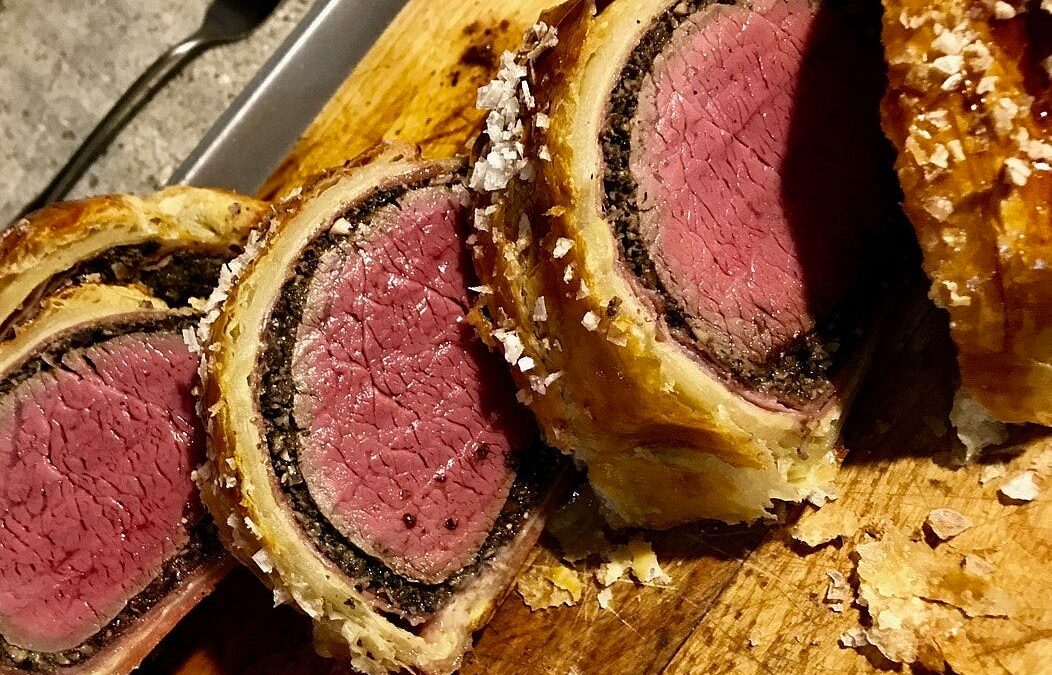
Mention Beef Wellington, and it immediately signals ceremony. Its roots, however, are less precise than its polished presentation suggests. The dish first became associated with Britain in the 19th and early 20th centuries. Some food historians argue it was named in honor of Arthur Wellesley, the 1st Duke of Wellington, after his victory at Waterloo in 1815. The parallel between the duke’s strong, protective military image and the beef encased in pastry armor has long been part of the lore.
Others trace the dish’s ancestry to French and Russian kitchens. Variations of meat wrapped in pastry were already common across Europe in the 18th century. The French pâté en croûte, or Russian kulebyaka, bear a striking resemblance, suggesting Beef Wellington was less a singular invention than an adaptation that the British later claimed as their own.
Big Name Chefs
Though its origins are murky, the dish’s rise to prominence is easier to track. In the 20th century, Beef Wellington gained prestige through appearances at high-profile events and in the work of celebrated chefs. Delia Smith included it in her influential cookbooks, cementing its reputation among ambitious home cooks in Britain. In the United States, Julia Child and James Beard helped bring it into the culinary mainstream during the 1960s and 1970s, when it became a fashionable centerpiece for dinner parties.
More recently, Gordon Ramsay has been one of its more visible champions. His television series and restaurant menus made Beef Wellington synonymous with high-end modern dining. Ramsay’s interpretation, involving precise timing and a streamlined method, reintroduced the dish to younger chefs and audiences who might otherwise have dismissed it as outdated.
The Method
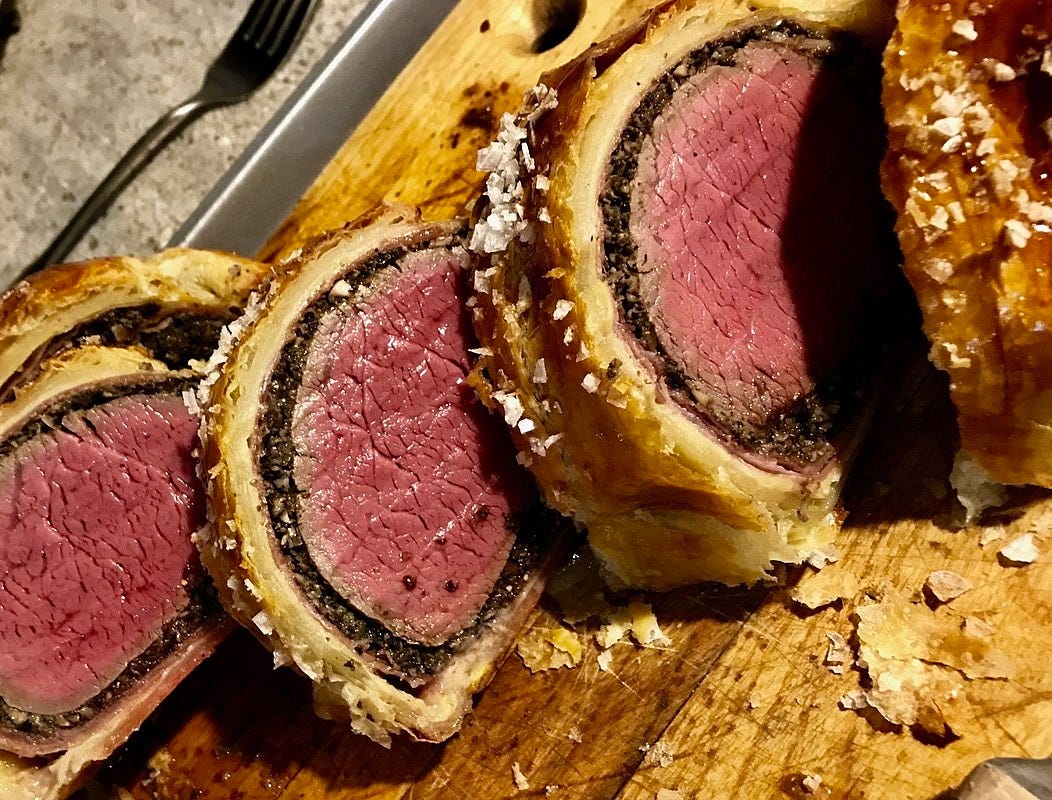
At its core, Beef Wellington is a lesson in balance and timing. A whole beef tenderloin is seared to develop flavor and seal in juices. A layer of finely chopped mushrooms cooked down to a paste is spread over the beef, sometimes with Foie Gras or pâté for richness. To prevent sogginess, some chefs use a thin crêpe or slices of prosciutto between the beef and pastry. Finally, the meat is wrapped in puff pastry and baked until golden.
The method requires precision: the beef must emerge medium rare while the pastry remains crisp. Achieving this balance has long been both the challenge and the allure for professionals. In restaurant settings, the preparation can be scaled, with individual Wellingtons prepared as single portions, or the classic whole roast sliced tableside for drama.
Classic Appeal
For the trade audience, Beef Wellington offers advantages. First, the high visual impact of the golden crust, cross-section layers, and dramatic carving make it a natural showpiece for special occasions. Second, the dish is adaptable. While the tenderloin remains traditional, chefs have experimented with lamb, venison, salmon, and even vegetarian versions using root vegetables or lentils. The method allows for seasonal interpretation and modern twists without losing its core identity.
Operationally, Wellingtons can be prepared ahead of service, held chilled, and baked to order. This staging makes it attractive for banquets and festive menus, reducing last-minute stress in the kitchen. Its association with celebration also gives restaurants a reliable upsell during holidays or set menus.
Going Forward
After peaking in the 1970s, Beef Wellington faded somewhat, seen as heavy or old-fashioned during the lighter dining trends of the late 20th century. Yet it has never totally disappeared. Over the past two decades, television exposure, social media, and the rise of “classics reimagined” menus have returned it to relevance. Diners value both the tradition it represents and the craft it demands from chefs.
Today, Beef Wellington sits comfortably in the space between heritage and innovation. A rare mix that explains why it still finds a place on fine dining menus worldwide.
Image Credit: https://wikipedia.org
_ _ _
© CHURRASCO PHUKET STEAKHOUSE / ALL RIGHTS RESERVED
Reprinting, reposting & sharing allowed, in exchange for a backlink and credits
Churrasco Phuket Steakhouse serves affordable Wagyu and Black Angus steaks and burgers. We are open daily from 12noon to 11pm at Jungceylon Shopping Center in Patong / Phuket.
We are family-friendly and offer free parking and Wi-Fi for guests. See our menus, reserve your table, find our location, and check all guest reviews here:
https://ChurrascoPhuket.com/
#Churrascophuket #jungceylon #phuketsteakhouse #affordablewagyu #wagyu
by lspeed | Oct 5, 2025 | WINES: UNCORKING THE MYSTERY
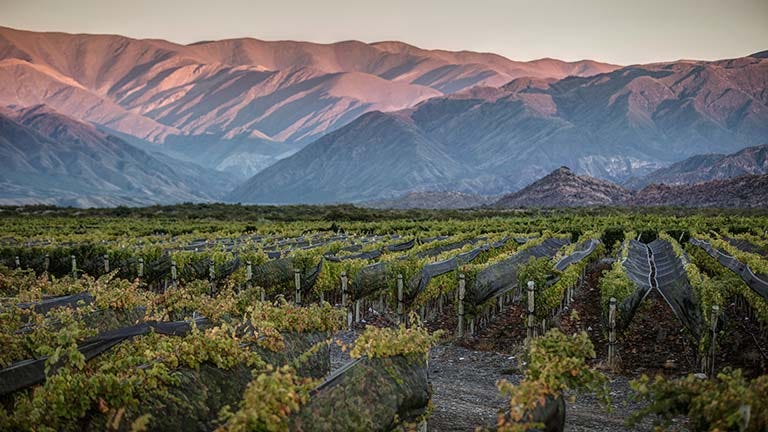
San Juan stands as Argentina’s second pillar of production. Essential in terms of volume, but increasingly strategic in terms of diversity. While Mendoza dominates the image of Argentine wine internationally, San Juan offers an alternative profile with warmer, spicier reds, fortified traditions, and promising high-altitude terroirs that can complement Argentina’s broader offering.
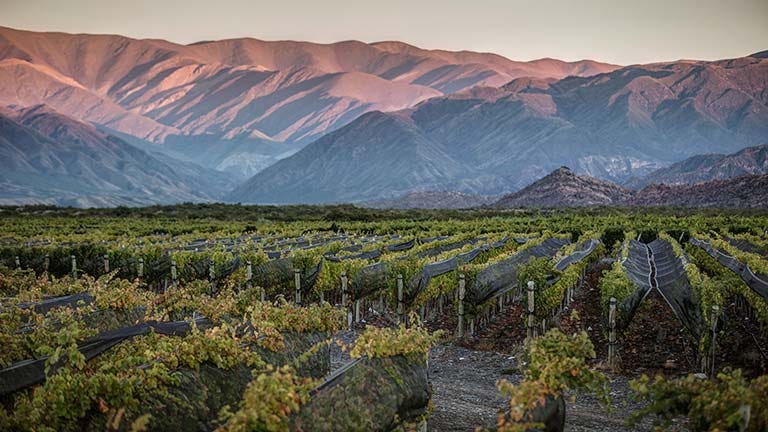
Located to the north of Mendoza, it stretches along the foothills of the Andes at altitudes ranging from 650 to 1,400 meters. With around 47,000 hectares under vine, it accounts for roughly a quarter of the country’s vineyard area. The region’s dry, sunny climate and access to meltwater from the Andes through the San Juan and Jáchal rivers provide the basis for a viticulture that has historically leaned toward volume but is increasingly quality-focused.
History
Winegrowing in San Juan dates back to the 16th century, when Spanish settlers introduced vines for sacramental and local consumption. For much of the 20th century, San Juan was known primarily as a bulk-wine and brandy source. Large cooperatives dominated production, and grapes were grown mainly for yield. Over the past three decades, however, investment from domestic and international producers, along with new vineyard management and irrigation techniques, has shifted San Juan toward producing higher-quality wines with clearer varietal identity.
Climate
San Juan is markedly warmer and drier than Mendoza. The region averages more than 300 days of sunshine annually, with very low rainfall. The desert-like conditions require controlled irrigation, which has historically been supplied by river channels but now increasingly involves drip systems. The intense solar exposure ripens grapes quickly, producing full-bodied wines with higher alcohol levels. Cooling influences come from elevation and the strong Zonda wind, a hot, dry current from the Andes that reduces disease pressure but can affect yields.
Terroir
San Juan is divided into several valleys, each with distinct conditions:
-
Tulum Valley: The traditional heart of production near the city of San Juan, historically dominated by high-yielding vineyards for bulk wine and table grapes.
-
Zonda Valley: Higher altitude, with cooler nights and potential for more balanced reds.
-
Ullum Valley: Small but promising, known for Syrah and Cabernet Sauvignon.
-
Pedernal Valley: A newer frontier at elevations above 1,300 meters, where limestone soils and cooler conditions deliver freshness and minerality, particularly in Malbec and Chardonnay.
Pedernal in particular has drawn attention as a site capable of producing wines with international competitiveness.
Grapes & Styles
Traditionally, San Juan has been a center for Syrah, which finds a natural home in the region’s hot, sunny conditions, yielding wines with ripe fruit, spice, and robust structure. The variety has become something of a signature for San Juan in both domestic and export markets.
Other key red grapes include Malbec, Bonarda, Cabernet Sauvignon, and Merlot. Whites such as Chardonnay, Torrontés, and Viognier are present but represent a smaller share. San Juan also has a long history of producing table grapes and raisins, which remain important to the local economy.
In addition, San Juan is Argentina’s primary source of fortified wines and brandy, continuing a tradition established in the 19th century.
Industry Shifts
While San Juan was once overshadowed by Mendoza, recent decades have seen a steady repositioning. Private wineries, often with international partnerships, are investing in higher-altitude sites such as Pedernal, employing modern vinification techniques, and branding San Juan as more than a bulk supplier. Cooperative wineries have also adapted, developing premium labels alongside their traditional high-volume products.
Research institutes and local government have supported diversification, promoting varieties suited to the climate, improving irrigation efficiency, and encouraging sustainable vineyard practices. The focus has shifted from quantity to differentiation—especially around Syrah and high-altitude Malbec.
International Reach
San Juan wines, especially Syrah and blends, are gaining recognition abroad, though they remain less prominent than Mendoza’s Malbec. Exports go mainly to the United States, Brazil, the UK, and some Asian markets. The balance between bulk shipments and bottled, branded wines is changing gradually in favor of the latter, reflecting the global demand for regional identity and terroir-driven narratives.
Image Credit: https://api.winesofargentina.org/uploads/web/regiones/cuyo/san-juan/galeria/san-juan-vinedos.jpg
_ _ _
© CHURRASCO PHUKET STEAKHOUSE / ALL RIGHTS RESERVED
Reprinting, reposting & sharing allowed, in exchange for a backlink and credits
Churrasco Phuket Steakhouse serves affordable Wagyu and Black Angus steaks and burgers. We are open daily from 12noon to 11pm at Jungceylon Shopping Center in Patong / Phuket.
We are family-friendly and offer free parking and Wi-Fi for guests. See our menus, reserve your table, find our location, and check all guest reviews here:
https://ChurrascoPhuket.com/
#Churrascophuket #jungceylon #phuketsteakhouse #affordablewagyu #wagyu