by lspeed | Oct 22, 2025 | BLACK BOX: RANTS, RAVES, REVIEWS & RECIPES
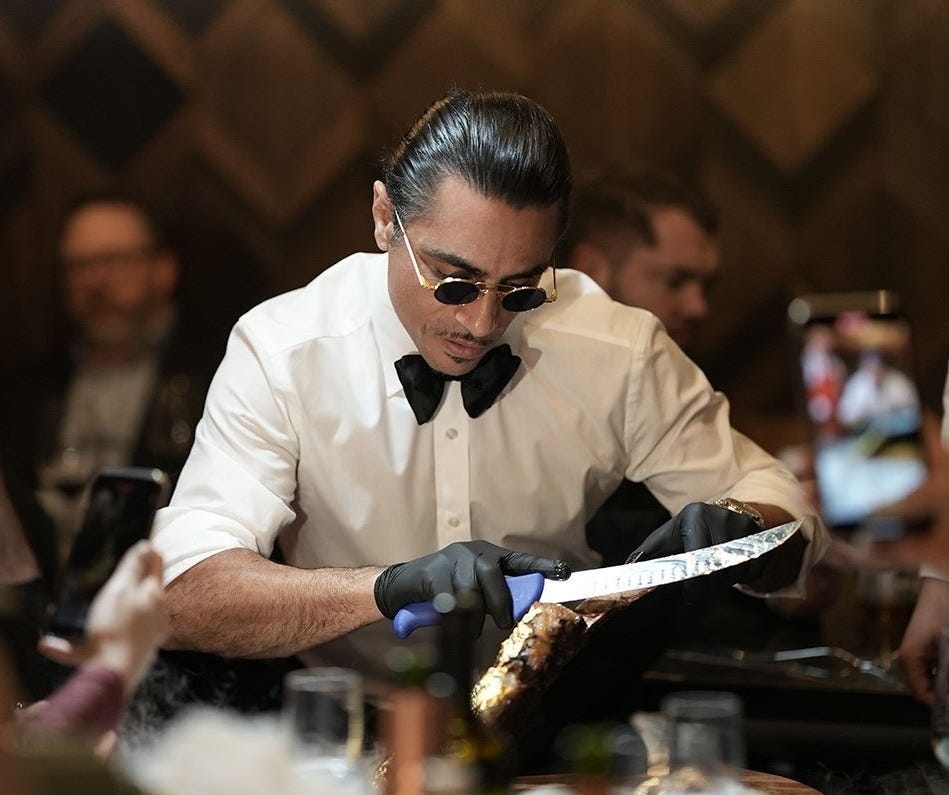
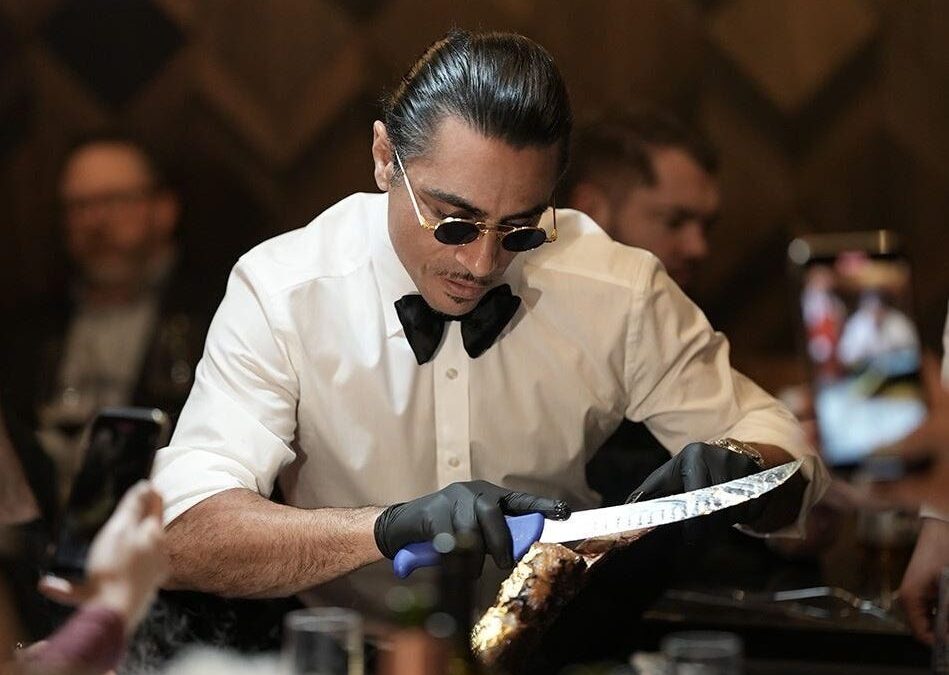
I’ve watched the rise of Salt Bae (Nusret Gökçe) with a mix of fascination, curiosity, and professional sympathy. Anyone who runs a serious steakhouse like us can grasp what it takes to go from carving meat behind a counter to building and presiding over a global restaurant brand. And yet, what we’re seeing now with the Nusr-Et empire is a reminder that in this business, fame can feed you – at least for a while. But consistency is what keeps the doors open when the spotlight fades.
From Butcher’s Block to Fame
Nusret’s story starts humbly. Born in eastern Turkey in 1983, he left school early, apprenticed with butchers in Istanbul, and worked his way up. Hands-on, old-school, knife-in-hand, the hard way. In 2010, he opened the first Nusr-Et Steakhouse in Istanbul’s Etiler district. By all accounts, it was good. The meat was well-sourced, and the showmanship added charm. He had that rare combination of precision, presence, and a bit of theater that diners remembered.
Then came that video in 2017. The salt-sprinkling gesture that went viral and turned a hard-working butcher into an internet celebrity overnight. It was show business meets steakhouse, and for a while, the whole world wanted to dine at his table. Every restaurant owner I know watched that clip thinking, “Good for him.” Because we all dream of that lightning-in-a-bottle moment when your craft suddenly connects with the public imagination.
The Power Trap of Hype
Viral fame can do what decades of PR cannot. Overnight, “Salt Bae” became a brand. Celebrities posted selfies, influencers queued for a photo, and the media coverage was relentless. Within a few years, Nusr-Et went from one Istanbul location to a global chain with branches in Dubai, Doha, Miami, New York, London, and Beverly Hills.
The concept was simple: steak as spectacle. Theatrics, gold-leaf tomahawks, thumping music, and servers trained to perform the signature flourish. Guests didn’t just dine, they documented it. That’s powerful marketing. But there’s a catch – when your brand is built on performance, you need to deliver a show every night. And when you expand that show to dozens of countries, you’re no longer running kitchens, you’re running a stage production.
Behind the Curtain
In recent years, reports surfaced that the empire isn’t as smooth as it looks online. Multiple ex-employees have filed lawsuits or made claims about unpaid wages, withheld tips, and aggressive management culture. Some mentioned favoritism or discrimination by nationality. Others described the work environment as “toxic,” where staff were praised one day and dismissed the next.
Now, I’m not here to pass judgment. Every large hospitality group faces HR headaches. When you scale fast, especially across borders, things are bound to get complex very quickly. Labour laws differ. Training standards slip. Managers cut corners. Still, the pattern of claims suggests deeper cracks between the brand image and daily operations. As a restaurateur I can say this – hype magnifies both the glory and the growing pains. When people line up to film your restaurant, you’re not just serving food anymore, you’re performing under a microscope.
Downsized Dreams
That microscope got sharper when closures began. As of 2025, several Nusr-Et locations in the U.S. shut down. The Beverly Hills branch, arguably the crown jewel, closed suddenly last June. Earlier, the “Salt Bae Burger” spin-off in New York had folded after poor reviews. Across the Atlantic, the London Knightsbridge flagship, once pulling in over £13 million annually, saw revenue drop to £9 million, with profits sliding as costs rose. Reports say management cut heating, dimmed lights during quiet hours, and removed the gold-coated steaks from the menu to save on costs.
Those of us in the trade recognize the signs – a brand under pressure, trimming fat to stay afloat. Inflation, energy prices, rising rents, it hits all of us. But when your concept revolves around spectacle and luxury, you can’t quietly “go lean” without losing the magic.
Show Versus Substance
The real issue isn’t just costs, it’s the business model. The Salt Bae brand sold exclusivity, luxury, indulgence. But that fantasy depends on endless novelty. When people stop posting, the buzz fades, and the gold leaf starts to look a little tacky instead of glamorous. In my own experience, diners eventually come back to what matters – flavor, consistency, and connection.
You can’t salt-pose your way through a bad cut of beef or a stressed-out team. Nusret’s instinct for showmanship is rare. He understood early on that diners wanted emotion with their meal, not just protein. But emotional connection needs authenticity behind it. Without that, what’s left is a nightly performance that fades over time, just as a long running broadway show does.
A Brand Under Pressure
Despite the closures, it’s too early to write the obituary. The Nusr-Et brand is still on display in Turkey, Dubai, and Qatar. These markets appreciate luxury dining, and Salt Bae remains a recognizable figure with millions of followers. The group seems to be consolidating by closing underperforming sites, tightening operations, and focusing on markets that still resonate with the brand’s original formula. Some locations remain profitable, and there’s clearly a loyal clientele who see Nusr-Et as a special-occasion splurge.
The Lesson for the Rest of Us
From one steakhouse owner to another, I see in Salt Bae’s story a parable of our times, meaning the triumph and the trap of viral fame. It shows how the internet can build a global dining empire, and how quickly that same glare can expose its cracks. The restaurant business has always balanced artistry with arithmetic. You can’t feed the spreadsheet without feeding people’s senses, and you can’t stay inspired if you’re just chasing margins.
Nusr-Et’s early years struck that balance beautifully. But somewhere along the way, the numbers and the cameras started calling the shots. Maybe this is the natural cycle. Every trend burns bright, then settles into something steadier. The real test will be whether the brand can evolve and move from being a meme to being a mature institution.
That means less focus on gold tomahawks and more on what first made it special – consistency and hospitality that feels human. I hope Nusret Gökçe finds a way to turn the spotlight into a steady flame. Because beneath the memes and the theatrics is a man who once just wanted to serve a perfect piece of meat. And that, in our business, is still the only real magic that lasts.
Image Credit: https://www.nusr-et.com.tr/Resources/GalleryImage/
_ _ _
© CHURRASCO PHUKET STEAKHOUSE / ALL RIGHTS RESERVED
Reprinting, reposting & sharing allowed, in exchange for a backlink and credits
Churrasco Phuket Steakhouse serves affordable Wagyu and Black Angus steaks and burgers. We are open daily from 12noon to 11pm at Jungceylon Shopping Center in Patong / Phuket.
We are family-friendly and offer free parking and Wi-Fi for guests. See our menus, reserve your table, find our location, and check all guest reviews here:
https://ChurrascoPhuket.com/
#Churrascophuket #jungceylon #phuketsteakhouse #affordablewagyu #wagyu
by lspeed | Oct 19, 2025 | LIQUORS: LIFT YOUR SPIRITS
Vodka is about clarity of spirit and neutrality of taste, but that hasn’t stopped brands from going overboard when it comes to branding and packaging. In a fiercely competitive market, distilleries push the limits of design and backstory. From sci-fi inspirations to luxury objets d’art, here are 10 of the more unusual vodkas you can buy and drink – or just collect and brag about:
1. Good Vodka (Green Alien Head Bottle)
Country: USA
What Makes It Unusual: This neon-green alien-shaped bottle screams Area 51. The extraterrestrial design makes no attempt at subtlety, and that’s the point — it taps into pop culture and conspiracy theory aesthetics for full novelty value. The vodka itself is usually neutral grain-based, but let’s be honest — the draw here is entirely visual. It’s fun, weird, and unapologetically gimmicky.
Market Niche: Perfect for Halloween parties, UFO conventions, or as a “conversation piece” on a back bar.
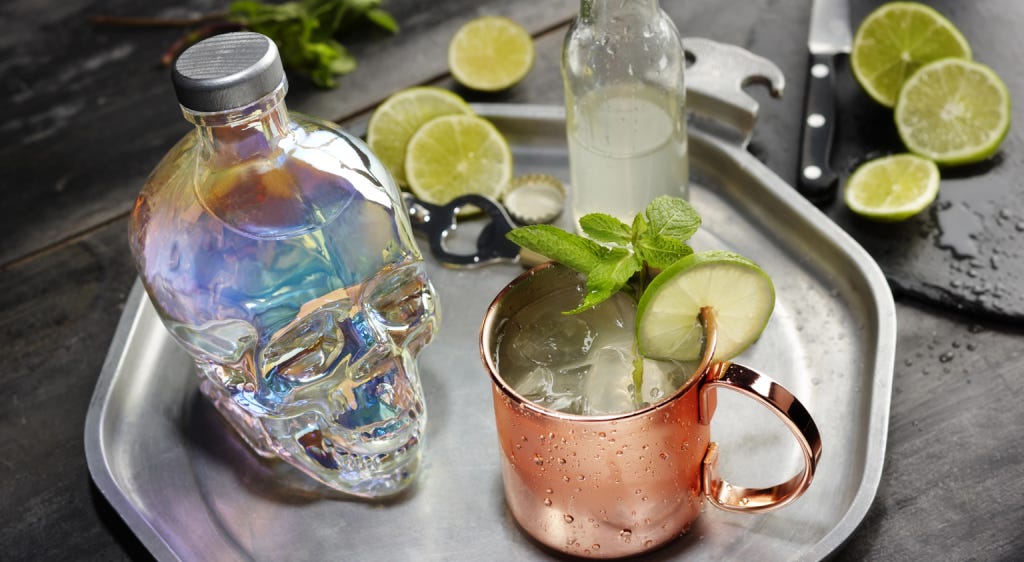
2. Crystal Head Aurora Vodka (Iridescent Skull Bottle)
Country: Canada
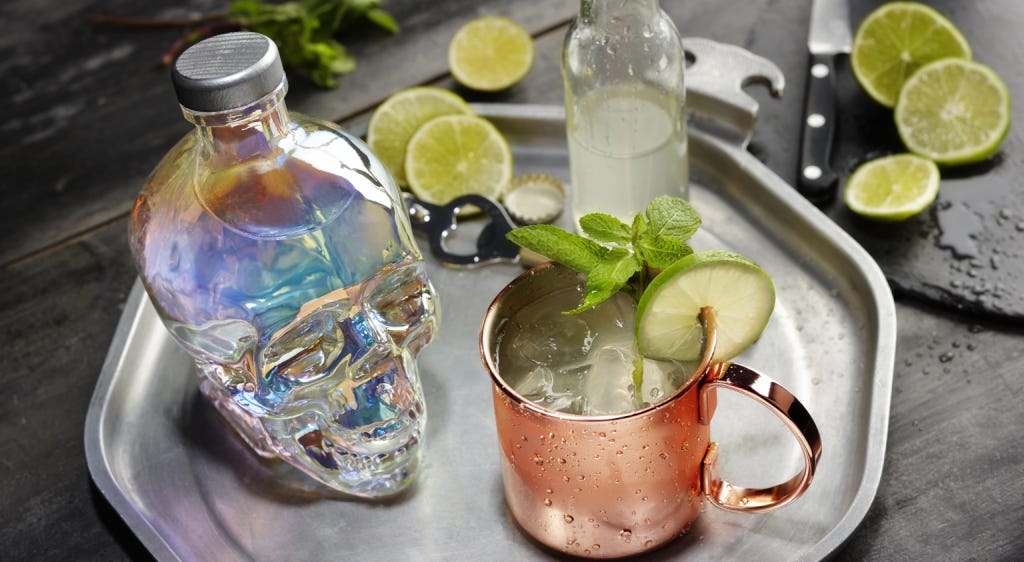
What Makes It Unusual: Dan Aykroyd’s Crystal Head Vodka gets a facelift with the Aurora edition, featuring an iridescent finish inspired by the Northern Lights. Made from English wheat and distilled five times, it’s filtered through Herkimer diamonds — a detail as mystical as the skull bottle suggests.
Luxury Meets Spirituality: The bottle’s shimmering sheen and skull shape tap into both spiritual and high-design aesthetics, blurring the line between spirit and sculpture.
3. NEFT Vodka (Mini Oil Barrel)
Country: Austria (Russian founders)
What Makes It Unusual: A premium vodka in a petroleum-style black oil drum? NEFT’s industrial-chic packaging flips luxury expectations. It’s designed to be rugged, unbreakable, and keeps the vodka cold for longer.
Storyline: NEFT, meaning “oil” in Russian, is a nod to its Siberian roots and the founders’ oil industry backgrounds. Inside is an award-winning vodka made from Austrian spring water and non-GMO rye.
4. Firestarter Vodka (Red Fire Extinguisher)
Country: Moldova
What Makes It Unusual: One of the most tongue-in-cheek designs in vodka, Firestarter comes in a red bottle shaped exactly like a fire extinguisher, nozzle and all. It’s a hit at bars and events purely for the visual gag.
Functionality: The twist-off valve doubles as a pour spout. Beyond the novelty, the vodka is quintuple-distilled from winter wheat.
5. Ocean Organic Vodka (Blue Orb Bottle)
Country: Hawaii, USA
What Makes It Unusual: This spherical bottle tilts like the Earth on its axis — and that’s no accident. Ocean Vodka’s packaging is a visual metaphor for sustainability and global responsibility. The spirit inside is made from organic sugarcane and deep ocean mineral water from 3,000 feet below the surface.
Environmental Ethos: It’s not just about aesthetics — this is a vodka designed to embody environmental values from distillation to design.
6. Kors Vodka (Sculpted Decanter with Gold Accents)
Country: Unknown (Marketed as Ultra-Luxury)
What Makes It Unusual: This is a vodka that competes with ultra-premium cognacs and perfumes. Its crystal-cut decanter, gold ornamentation, and velvet-lined packaging position it in the four-digit pricing tier.
Wild Claim: Kors boasts it uses a recipe once favored by Russian tsars and is distilled with water sourced from Arctic ice. Whether that’s marketing fiction or not, the brand banks on the “most expensive vodka” niche.
7. Absolut Elyx (Copper-Themed Bottle)
Country: Sweden
What Makes It Unusual: This copper-streaked bottle of Elyx stands apart visually, but its real twist is in the production: it’s distilled in a vintage 1921 copper still, giving the spirit its signature silky texture. Elyx has also leaned heavily into fashion, design, and influencer culture, offering copper pineapples, mugs, and swan-shaped vessels.
Elegance with Edge: Not the weirdest design on this list, but certainly one of the most design-forward luxury vodka rebrands.
8. Holland Vodka (Tall, Glass Bubble Base)
Country: Netherlands
What Makes It Unusual: This ultra-tall, sleek bottle with a glass orb base combines minimalism with kinetic curiosity — the round bottom lets the bottle rock slightly without tipping over.
Dutch Precision: It’s made from wheat and spring water using a five-step distillation process. The look is more chemistry lab than traditional liquor store.
9. Tsarskaya Gold (Fabergé Egg Service Set)
Country: Russia
What Makes It Unusual: Possibly the most decadent vodka service ever imagined, this isn’t just a bottle — it’s an entire Fabergé-style egg that opens up to reveal a set of mini bottles and glasses. The bottle design itself evokes the height of Russian imperial luxury.
Collector’s Item: This is not a casual drinker’s vodka — it’s museum-level kitsch and Old World pomp at its peak.
10. Stolichnaya Elit “Frozen” Edition (Frosted Silhouette)
Country: Latvia (Russian heritage)
What Makes It Unusual: Stoli Elit is already a premium line, but the sleek, elongated “Frozen” bottle edition evokes the icy purity the brand boasts about. With an almost aerodynamic design and matte-black or frosted finish (depending on the edition), it’s a stylistic declaration.
Cold Filtration: The vodka is filtered at sub-zero temperatures, adding credence to the chilly aesthetic.
Image Credit: https://www.crystalheadvodka.com/crystal-head/aurora/
_ _ _
© CHURRASCO PHUKET STEAKHOUSE / ALL RIGHTS RESERVED
Reprinting, reposting & sharing allowed, in exchange for a backlink and credits
Churrasco Phuket Steakhouse serves affordable Wagyu and Black Angus steaks and burgers. We are open daily from 12noon to 11pm at Jungceylon Shopping Center in Patong / Phuket.
We are family-friendly and offer free parking and Wi-Fi for guests. See our menus, reserve your table, find our location, and check all guest reviews here:
https://ChurrascoPhuket.com/
#Churrascophuket #jungceylon #phuketsteakhouse #affordablewagyu #wagyu

by lspeed | Oct 17, 2025 | RESTAURANT BUSINESS: BEHIND THE KITCHEN DOOR
In the world where we at Churrasco Phuket live and operate, the line between efficiency and experience is getting ever thinner. Operational pressure increased, staff shortages and cost control need to master rising guest expectations. Operators like us are increasingly tempted to turn to automation to keep things running smoothly. While we recognise that tech can solve certain problems, we also think that it chips away at what our guests come for in the first place: Personalised Hospitality.
Digital Fatigue Creep
Online ordering has become a default feature in many “modern” restaurants. It can make sense in terms of speed, accuracy, and scalability. But in an upscale restaurant or steakhouse, the value proposition shifts. Here, the guest isn’t looking for efficiency above all else. They want to be welcomed. They want attention to detail. They want interaction.
A significant portion of steakhouse clientele, particularly older, higher-spending guests, doesn’t want to order a $100 Wagyu Ribeye by tapping through a screen. For them, a digital interface is not convenience, but it feels out of place in a setting that prides itself on warmth, knowledge, and service with nuance.
This demographic isn’t just a legacy audience. They’re regulars, celebrators, wine buyers, the kind of guests who return because they trust that their experience will be personal and unhurried. And they’re the ones most likely to notice when a restaurant starts outsourcing the guest relationship to software.
Where Automation Doesn’t Belong
Tech can play a vital supporting role. A modern POS system that routes orders directly to the kitchen or bar speeds up prep time and reduces misfires. Integrated payments smooth out the checkout process. Inventory tools help rein in waste. These things matter, and they do add value where they belog – behind the scenes.
Front-of-house automation though needs to be handled carefully. Online booking tools are fine, as long as they’re complemented by a real person answering the phone when someone calls. Digital menus may be acceptable for lunch service, but they’re jarring at dinner when white tablecloths and sommelier service are part of the experience. If your guests are paying for excellence, don’t hand them an interface. Give them a beautiful menu and a welcome conversation.
The Risk of Over-Correcting
It’s tempting to assume that restaurants needs to go fully digital to keep up with the “other guys”. But upmarket dining isn’t like fast casual. The customer expectation is almost the opposite. That doesn’t mean you shouldn’t monitor and evolve where practical and useful. Evolution needs to be intentional, so automate the repetitive and invisible. Don’t automate the emotional core of your business.
A seasoned server who remembers how a guest takes their steak is more valuable than any scheduling app. A handwritten thank-you note has more impact than an automated follow-up email. And when a regular calls to book a table for six on Friday, don’t redirect them to the website. Take the call. Know their name. Ask if it’s the usual table. It’s not that complicated … we do it lal the time.
Serve the Brand, Don’t Define It
High-end restaurants don’t sell food. They sell trust, occasion, and atmosphere. They make people happy. Everything that supports that, from plating to payroll, should enhance it, not compete with it.
Automation is part of that scenario. But it’s a back-of-house asset, not a front-of-house identity. Use it to reduce friction behind the curtain, not to cut corners in the spotlight. Upmarket guests aren’t looking for speed, they’re looking to feel seen.
Automation can’t do that — but your team can.
Image Credit: https://freepik.com
_ _ _
© CHURRASCO PHUKET STEAKHOUSE / ALL RIGHTS RESERVED
Reprinting, reposting & sharing allowed, in exchange for a backlink and credits
Churrasco Phuket Steakhouse serves affordable Wagyu and Black Angus steaks and burgers. We are open daily from 12noon to 11pm at Jungceylon Shopping Center in Patong / Phuket.
We are family-friendly and offer free parking and Wi-Fi for guests. See our menus, reserve your table, find our location, and check all guest reviews here:
https://ChurrascoPhuket.com/
#Churrascophuket #jungceylon #phuketsteakhouse #affordablewagyu #wagyu
by lspeed | Oct 15, 2025 | DECODING GRAPES: FROM VINES TO VINTAGE
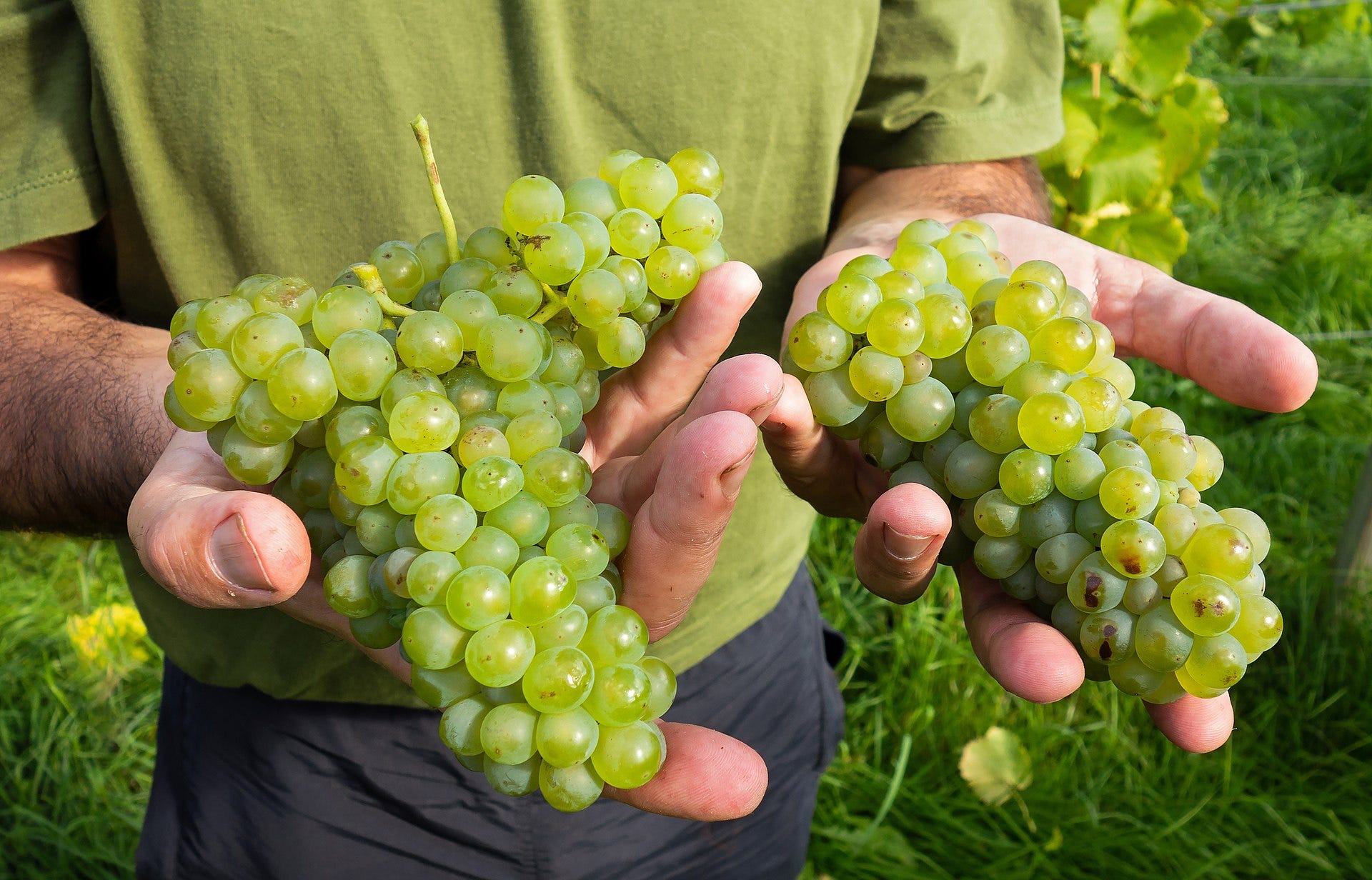
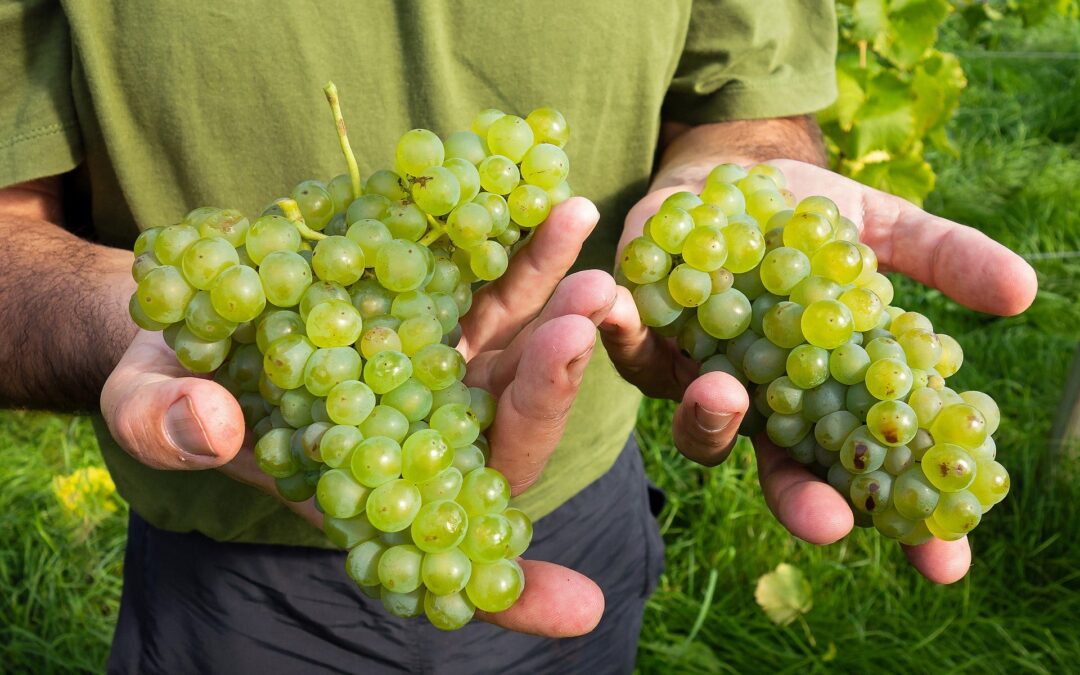
Few grape varieties have changed the conversation around cool-climate winemaking quite like Solaris. Created in Germany in the 1970s, it has since found a second life in northern Europe and Canada, proving that serious wines can be made in regions once considered too cold or too damp for viticulture.
German beginnings
Solaris was bred in 1975 at the Freiburg Wine Institute, part of an ongoing effort to produce grapes that could withstand northern European conditions. Its lineage is complex – Merzling crossed with a Seyve-Villard hybrid, and a Riesling × Pinot Gris line. The intended result was a grape that ripens early, resists mildew, and still carries the aromatic character winegrowers and drinkers look for. The name, meaning “of the sun,” nods to its ability to ripen quickly and dependably.
What growers value
For a grower, Solaris solves a big problem. It reaches maturity weeks ahead of many vinifera varieties, often by the end of August. In climates where autumn comes fast and frost can destroy a harvest, that reliability is a major advantage. Its resistance to fungal diseases further reduces risk and lowers the need for heavy spraying, which is why it has become popular among organic and low-intervention producers.
What drinkers taste
The wines themselves are surprisingly expressive. Solaris shows tropical fruit, such as pineapple, mango, sometimes passionfruit. In cooler years, the profile shifts toward green apple and lime, bringing it closer to Sauvignon Blanc. Its natural sugars can be high, which gives winemakers the flexibility of creating dry wines with weight and ripeness, late-harvest and icewine styles, or even sparkling wines with crisp fruit.
Where it grows now
Though German by origin, Solaris has been adopted with enthusiasm further north. Sweden and Denmark both produce award-winning examples, using it to define a new style of Scandinavian white wine. In the UK, Solaris joins Bacchus and Pinot Noir Précoce as part of the country’s expanding still-wine portfolio. Canada, particularly Ontario, has also embraced it, where its combination of ripeness and acidity works well for both dry and sweet expressions.
Looking ahead
Solaris is not just a technical solution for challenging climates; it’s also a marker of where wine is heading. As producers search for varieties that need fewer chemical treatments and that can cope with shifting weather patterns, grapes like Solaris offer an alternative to the traditional canon. Consumers, meanwhile, are discovering distinct wines from new places, expanding the definition of what fine wine regions look like.
Image Credit: https://wikipedia.org/
_ _ _
© CHURRASCO PHUKET STEAKHOUSE / ALL RIGHTS RESERVED
Reprinting, reposting & sharing allowed, in exchange for a backlink and credits
Churrasco Phuket Steakhouse serves affordable Wagyu and Black Angus steaks and burgers. We are open daily from 12noon to 11pm at Jungceylon Shopping Center in Patong / Phuket.
We are family-friendly and offer free parking and Wi-Fi for guests. See our menus, reserve your table, find our location, and check all guest reviews here:
https://ChurrascoPhuket.com/
#Churrascophuket #jungceylon #phuketsteakhouse #affordablewagyu #wagyu
by lspeed | Oct 12, 2025 | KNOWLEDGE: MEAT ESSENTIALS
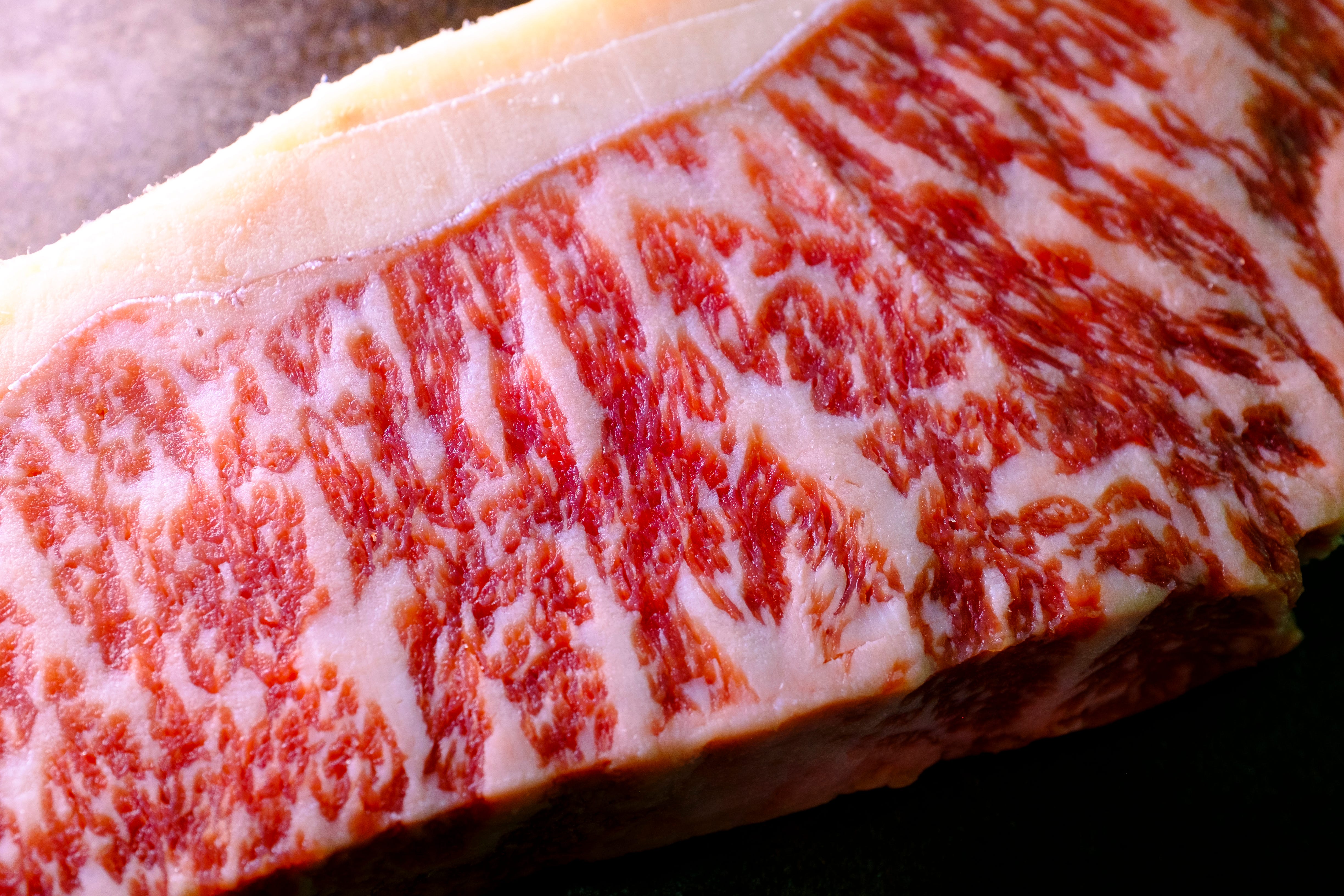
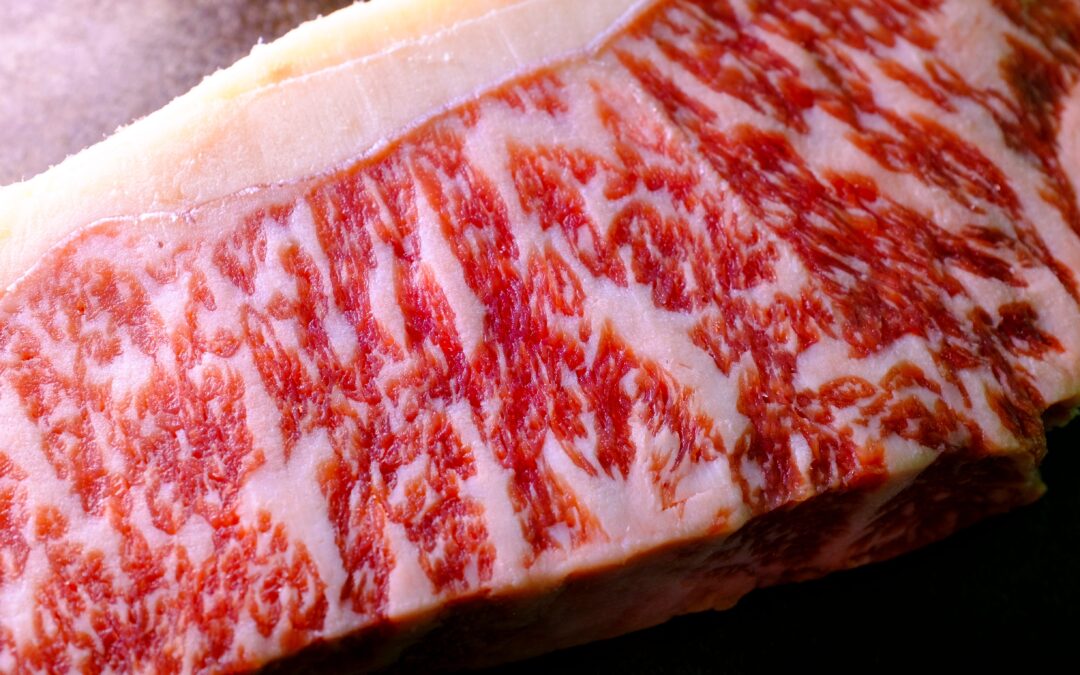
Japan’s Wagyu is a symbol of indulgence, with marbled textures and melt-in-the-mouth flavors that command some of the highest prices in the culinary world. Yet even within Japan’s Wagyu tradition, three names stand out – Kobe, Matsusaka, and Miyazaki. Each hails from a different region, each has a distinct reputation, and each carries its own market value.
Kobe Beef
Kobe beef originates from the Hyōgo Prefecture and must come from purebred Tajima-gyu cattle, a line of Japanese Black Wagyu. Strict rules govern what qualifies as “Kobe”. The cattle must be born, raised, and slaughtered in Hyōgo, and only steers (castrated males) or virgin heifers are eligible. Because of this limited geography and controlled lineage, Kobe is not just a brand but a certification.
Matsusaka Beef
Matsusaka beef is raised in Mie Prefecture, primarily from female cattle that have never calved. Unlike Kobe, where steers dominate, Matsusaka is known for its pampered virgin cows. Farmers are famed for their meticulous care, feeding blends of rice straw, barley, and occasionally beer, while brushing the animals to improve circulation. This regimen contributes to ultra-fine marbling and tenderness, cementing Matsusaka’s reputation among Japanese gourmands as perhaps the most luxurious Wagyu.
Miyazaki Beef
Miyazaki beef comes from Miyazaki Prefecture in Kyushu and has risen in prominence more recently than Kobe or Matsusaka. While Kobe leans on centuries of tradition, Miyazaki has built its reputation on excellence in cattle breeding and feeding programs. Miyazaki beef consistently wins national Wagyu competitions, including the coveted Prime Minister’s Award, and is now considered the strongest rival to Kobe in global markets.
Grading Standards
All three Wagyu types follow Japan’s national grading system established by the Japan Meat Grading Association (JMGA). Beef is graded on two key axes:
-
Yield Grade (A, B, C): A measures carcass yield relative to weight, with A being the highest.
-
Meat Quality Grade (1–5): Evaluates marbling, meat color, brightness, firmness, and fat quality.
-
Within this, the Beef Marbling Score (BMS), ranging from 1 to 12, further defines quality.
-
Kobe Beef: Only carcasses graded A4 or A5 with a BMS of 6 or above qualify as Kobe. This sets an extremely high entry bar, which explains why less than 3,000 heads per year receive Kobe certification.
-
Matsusaka Beef: Typically graded at the highest levels, with many examples exceeding BMS 10–12. Matsusaka holds its own branded grading competitions, and “Matsusaka Grand Champion” carcasses often fetch record prices.
-
Miyazaki Beef: Consistently achieves A5 grading and has built a reputation as the most reliable in maintaining top scores across large production volumes. Miyazaki beef has won consecutive titles at Japan’s Wagyu Olympics, a feat unmatched by any other region.
Flavor and Texture Differences
A Hard Choice
All of these three Wagyu types sit at the summit of Wagyu culture, but they each tell a different story. For diners, the choice often comes down to budget, and whether they seek the prestige of Kobe, the richness of Matsusaka, or the balance of Miyazaki.
Image Credit: https://www.vecteezy.com/free-photos/japanese-wagyu
_ _ _
© CHURRASCO PHUKET STEAKHOUSE / ALL RIGHTS RESERVED
Reprinting, reposting & sharing allowed, in exchange for a backlink and credits
Churrasco Phuket Steakhouse serves affordable Wagyu and Black Angus steaks and burgers. We are open daily from 12noon to 11pm at Jungceylon Shopping Center in Patong / Phuket.
We are family-friendly and offer free parking and Wi-Fi for guests. See our menus, reserve your table, find our location, and check all guest reviews here:
https://ChurrascoPhuket.com/
#Churrascophuket #jungceylon #phuketsteakhouse #affordablewagyu #wagyu