by lspeed | Nov 23, 2025 | WINES: UNCORKING THE MYSTERY
At its heart, every bottle of wine is a quiet love story. Not the loud kind, but the slow chemistry that builds layer by layer until you finally understand that a sip can feel like a spark. Much like human attraction, wine’s pull is never about one isolated trait. It is the interplay of character, structure, aroma, charm, complexity and timing. Call it chemistry in the most literal sense.
Underneath the romance lies a matrix of a thousand compounds working together the way personalities do at a dinner table. Some lead, some whisper, some soften edges, some brighten the room. For professionals in hospitality, working with these signals helps crafting memorable experiences. For amateurs, it is the pleasure of discovering a new romance, possibly staying with you long after the glass is empty – maybe forever.
Colour: The First Spark
Just as we as people respond to visual chemistry, wine seduces first through colour. Anthocyanins create the youthful reds and purples in red wines, shifting their tones depending on the surrounding environment. A touch more acidity and the wine leans ruby. A shift in pH and it pushes violet. These pigments behave like moods, constantly adjusting and expressing themselves differently over the life of a bottle.
Flavonols join the scene as supporting characters, enhancing and stabilising colour through a process akin to cooperative attraction. They deepen the tones of the wine, making the first visual impression one hospitality professionals know can strongly shape guest expectations before aroma even enters the conversation.
Aroma: Making A Move
If colour is physical attraction, aroma is the moment you realise you are intrigued. It is where chemistry becomes seduction. Only trace amounts of volatile molecules are needed to shape a wine’s perfume. Esters offer the lively fruit notes that make young wines feel energetic and bright. They are the spirited types, all peaches and pears and summer evenings.
Terpenes amplify the charm with floral, citrus or spice notes. They are the storytellers of varieties like Riesling, Muscat, Gewürztraminer. A few sulphur based compounds may show up in certain whites, lending flinty or smoky nuances when handled well. They are not everyone’s type but in the right context, they create magnetic tension becking to be explored.
Flavour: On To First Base
Attraction starts with an impression and challenge. In wine, that impression is flavour. Acids, alcohols and phenolics come together like the first moments of a conversation. Organic acids provide the tension and brightness that make a wine feel alive. Tartaric and malic acids deliver the crisp edge that catches your attention, while lactic acid adds the smooth, confident tone that suggests a wine has something more to say.
Alcohol and glycerol provide warmth and body. Think of them as the charm that invites you to lean in. Ethanol enhances perceived sweetness while glycerol gives the palate that gentle glide hospitality teams often describe as “roundness.” Meanwhile, trace amounts of bitter flavan three ols spark contrast and depth. Their presence must be precise. Too much and the conversation becomes harsh, too little and it lacks intrigue.
Digestibility: Going Steady
Wine may charm at first sip, but compatibility shows itself across the entire dining experience. Acidity, tannin structure and alcohol shape how a wine interacts with food and with the body. Moderate acidity helps digestion, keeping the palate refreshed through rich or fatty dishes.
Tannins in red wine behave much like strong personalities: they can be firm, structured and commanding. When ripe and well integrated they bring confidence and clarity to the wine’s profile. When harsh or unbalanced, they dominate and fatigue. A server who understands the chemistry of tannin can guide guests to the bottle that fits their evening, not just their moment.
Ageing: Now For The Long Haul
Ageing is the slow burn, the emotional depth that develops with patience. Tannins polymerise over time, softening from a sharp grip into long, silky chains. Anthocyanins bind with tannins, stabilising colour and muting the exuberance of youth in favour of something more reflective.
Acids and alcohol act as guardians, protecting the wine as it evolves. Aromas shift from primary fruit toward savoury notes of earth, spice and dried flowers. It mirrors human chemistry beautifully, where the qualities that endure are rarely the loud ones. They are the structural ones, the elements that allow transformation without losing identity.
Remember: No Guts, No Glory
Wine lives and breathes as we do, a complex masterpiece shaped by both biology and chemistry. At times overwhelming, sometimes intimidating, but always unique and multi-faceted. Once you get involved, you may end up with a hot one-night stand, a clandestine affair, even a rewarding and lasting relationship. Worst case, you may get your heart broken or your wallet emptied.
To me, either way it’s always worth the risk.
Image Credit: https://freepik.com
_ _ _
© CHURRASCO PHUKET STEAKHOUSE / ALL RIGHTS RESERVED
Reprinting, reposting & sharing allowed, in exchange for a backlink and credits
Churrasco Phuket Steakhouse serves affordable Wagyu and Black Angus steaks and burgers. We are open daily from 12noon to 11pm at Jungceylon Shopping Center in Patong / Phuket.
We are family-friendly and offer free parking and Wi-Fi for guests. See our menus, reserve your table, find our location, and check all guest reviews here:
https://ChurrascoPhuket.com/
#Churrascophuket #jungceylon #phuketsteakhouse #affordablewagyu #wagyu
by lspeed | Nov 20, 2025 | KNOWLEDGE: MEAT ESSENTIALS
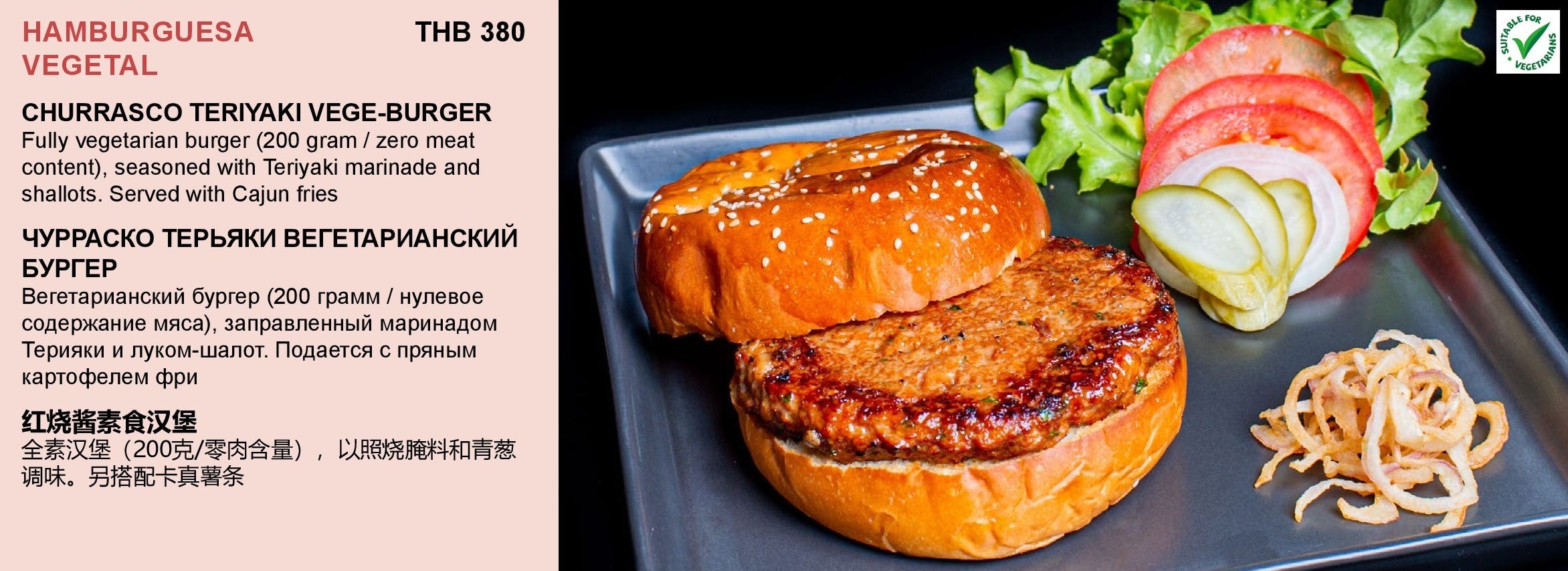
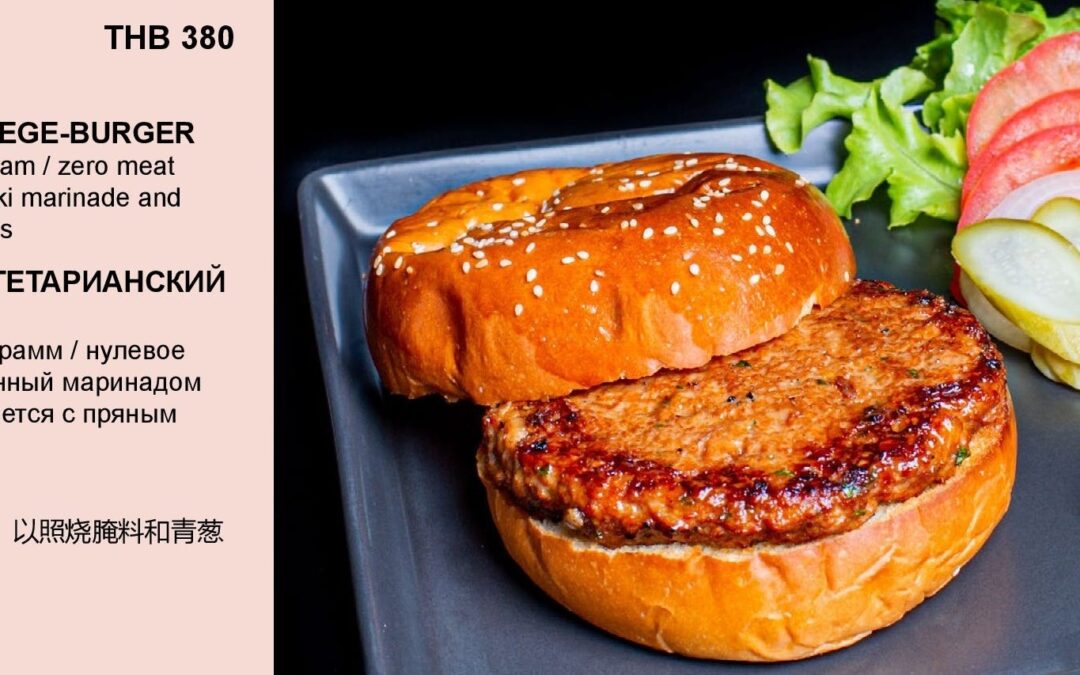
The rapid rise of plant based meat substitutes has been one of the more discussed food industry developments over the past decade. At Churrasco Phuket Steakhouse, we decided to add a plant based burger to our Gourmet Burger line-up during the height of the trend. The results became clear quite quickly – we sold roughly one plant based burger per month while consistently serving more than two hundred of our well known affordable Wagyu burgers in the same period.
Impossible Foods and Beyond Meat positioned themselves as disruptive forces that would redefine how people eat. Their early marketing leaned heavily on technological framing and strong environmental messaging. Early predictions assumed these products would move from novelty to widespread adoption. Today, the industry picture is more measured. Revenues are falling, several smaller brands have exited the market and valuations have declined sharply.
Impossible Foods private share value has dropped by close to ninety percent since 2021, to which they responded by undertaking a complete rebrand. The company will move from green packaging to red in an effort to appeal directly to consumers who associate red with appetite and meat. This shift signals a recognition that the original brand identity did not resonate with the broader consumer market.
From our steakhouse operator standpoint, the mismatch has been visible for some time. The early excitement around plant based meat was driven by media attention, “FOMO” investment enthusiasm, and a vocal group of early adopters from the woke spectrum of society.
However, the dining public does not behave in the same way as the promotional cycle. The difference between projected market penetration and actual purchase behaviour reflects several practical barriers that most food service operators have long understood.
Price
Plant based substitutes often cost significantly more than traditional beef. In grocery retail, that difference is easy for consumers to see. In restaurants, the gap becomes even more pronounced. Guests intuitively evaluate value. When a plant based patty is priced close to a traditional steak or to a premium beef burger, very few customers feel compelled to choose it unless they have specific dietary preferences.
Demographics
Research consistently shows that plant based substitutes appeal primarily to younger, urban and higher income consumers. That group is often open to experimentation, but it does not represent the full restaurant market. The typical steakhouse guest spans a much broader set of ages and preferences. Many come precisely because they want a traditional experience built around beef. For them, the appeal of a plant based replica is limited, and rarely repeat driven.
Messaging
A sizable share of plant based marketing relied on moral framing. The suggestion, at times, was that choosing conventional meat was outdated or irresponsible. This approach created unnecessary resistance. Guests do not want dining decisions to be turned into political or cultural statements. Food service success relies on trust, clarity and consistency, not on signalling.
Politics
Especially in the US, plant based products became entangled in cultural debates that had little to do with the actual food. Commentators on both extremes claimed symbolic meaning for these items, ranging from elitism to conspiracy. While such narratives are far removed from industry realities, they influence consumer behaviour. Once a product carries ideological weight, marketing adjustments such as packaging colour changes cannot meaningfully shift perception.
For restaurant operators, the practical takeaway is clear. Initial curiosity may drive trial, but long term adoption relies on habitual use, not on symbolic significance. Across the market, plant based trial rates were high, yet repeat purchase rates were low. Our own experience was consistent with this pattern. Guests were willing to try a plant based burger once, often out of curiosity. Very few returned to it. In contrast, our Wagyu burgers continue to sell at scale because they satisfy established expectations around flavour, texture and value.
Plant based items should not necessarily be excluded from steakhouse menus. Operators still offer them as a courtesy for guests with dietary restrictions or preferences. When presented as a simple menu option rather than as a philosophical statement, these items can serve a practical purpose. The key understanding is that they are supplementary, not transformational.
Image Credit: https://churrascophuket.com
_ _ _
© CHURRASCO PHUKET STEAKHOUSE / ALL RIGHTS RESERVED
Reprinting, reposting & sharing allowed, in exchange for a backlink and credits
Churrasco Phuket Steakhouse serves affordable Wagyu and Black Angus steaks and burgers. We are open daily from 12noon to 11pm at Jungceylon Shopping Center in Patong / Phuket.
We are family-friendly and offer free parking and Wi-Fi for guests. See our menus, reserve your table, find our location, and check all guest reviews here:
https://ChurrascoPhuket.com/
#Churrascophuket #jungceylon #phuketsteakhouse #affordablewagyu #wagyu
by lspeed | Nov 9, 2025 | KNOWLEDGE: MEAT ESSENTIALS
First up – established and reputable restaurants such as Churrasco Phuket Steakhouse would rather go full-time vegan instead of EVER serving fake Wagyu. Our reputation and long term survival rests on our authenticity, consistency, top quality and personal integrity. Every steak that reaches our tables comes from verified sources only.
Yet, not all establishments in Asia share the same standards. A recent food scandal in Vietnam revealed how far some will go to imitate luxury beef.
FAKE WAGYU
In Hanoi, Vietnam, police recently arrested four people accused of turning cheap buffalo meat into fake Wagyu. They bought frozen buffalo from India for about four dollars a kilo, injected it with a “fat essence” to mimic Wagyu marbling, then relabelled it as premium “Hidasan Wagyu.” The meat sold for five times its cost. More than fourteen tons reached restaurants before investigators intervened. Tests confirmed most samples contained buffalo DNA. What began as food fraud soon became a public health matter.
The scandal shows how the demand for marbled beef fuels deception. Real Wagyu commands high prices because its marbling comes from genetics and patient feeding, not chemicals. Counterfeiters exploit that by mimicking its look. Some mislabel regular beef as Wagyu, others use injections or even different animals to fake its texture and price.
In the Vietnamese case, all tricks appeared together: wrong species, chemical marbling and false branding. Counterfeiters know that many diners cannot tell imitation from the real thing. once it is sliced and grilled. The marbling alone convinces most people.
Yet true Wagyu has a distinct aroma, flavour and softness that are impossible to reproduce. The case also showed the risk behind imitation. Injecting chemicals into meat deceives buyers and threatens health. Regulators are still studying what substances were used, but the lesson is clear: trust only restaurants that value transparency.
LARDED BEEF
Between fraud and true Wagyu lies the grey zone of “larded” or artificially marbled beef. These products are legal and widely sold, but they should never ever be mistaken for genuine Wagyu. Brands such as Meltique and Hokkubee use fat injection to give standard beef a marbled look and tender texture. The technique came from an old French method called piquer, where strips of fat were inserted into lean meat.
Meltique injects an emulsion of beef fat or canola oil into muscle fibres, creating uniform marbling though the cattle were not Wagyu. It looks appealing, cooks easily and costs far less. Hokkubee, the company behind Meltique, promotes it as a consistent and affordable option for restaurants.
There basically is nothing illegal with this process – but only when declared openly. Restaurants absolutely must identify Hokkubee and similar larded products clearly. Unfortunately, some restaurateurs fail to do so, letting guests assume they are eating Wagyu when they are not. Larded beef may look luxurious, but it cannot match the sweetness, melt or grain of real Wagyu. Technology can create texture, not heritage.
For clarity, Churrasco Phuket Steakhouse has never ever served or will serve this product.
REAL WAGYU
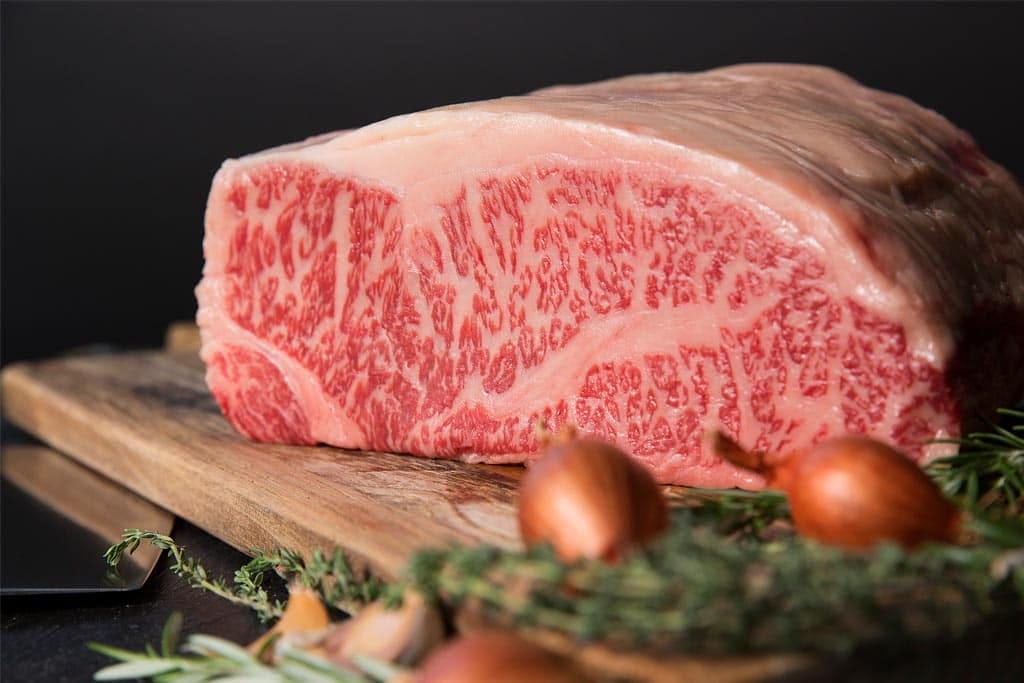
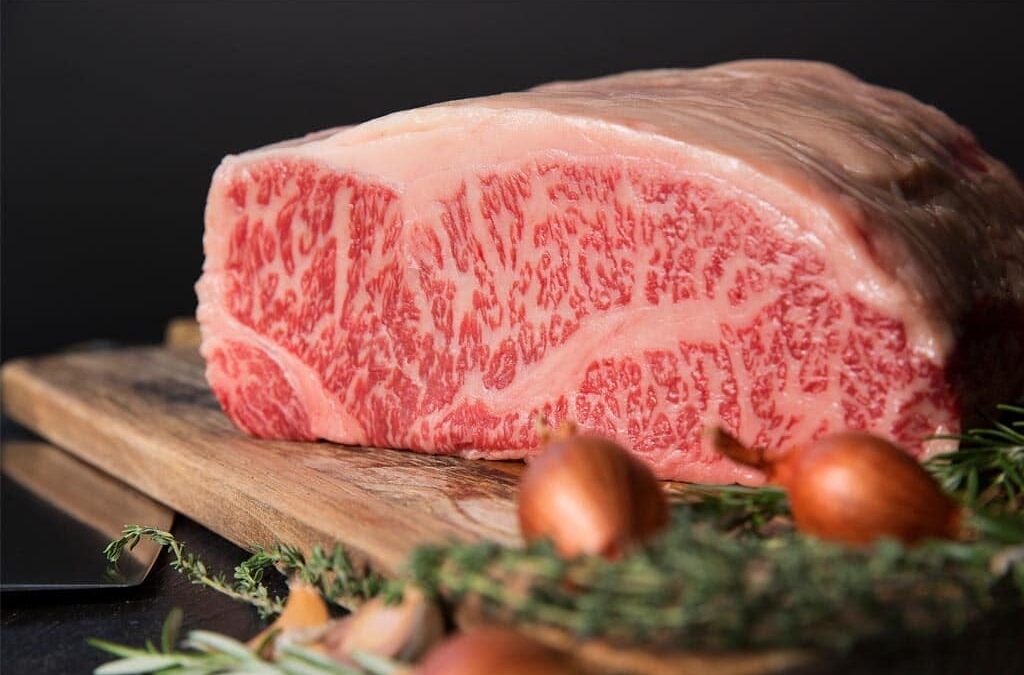
True Wagyu comes from Japan’s long tradition of cattle breeding. The word combines “wa,” meaning Japanese, and “gyu,” meaning cow. It refers to breeds such as Japanese Black, Brown, Shorthorn and Polled, raised under strict care. These cattle are bred to store fine layers of fat that create the lace-like marbling running through the meat.
Each animal is raised slowly, often fed on rice straw, barley and grain, and tracked from birth. The highest grade, A5, represents exceptional marbling and tenderness. The fat melts at low temperature, releasing a clean sweetness when cooked.
Japan is the birthplace of Wagyu, but Australia has also built a respected Wagyu industry. Many Australian herds descend from Japanese bloodlines and are raised on similar feeding programs. The result is beef that retains lush marbling and excellent consistency. Both Japan and Australia now set the global standard for quality and traceability.
SPOTTING THE DIFFERENCE
To identify real Wagyu, start with documentation. Authentic Wagyu is always delivered with information on the breed, farm and grade. Any beef labelled “Wagyu style” without such details should immediately raise doubt. Real Wagyu marbling is fine and even, glowing softly pink. Fake or larded beef often shows thicker white streaks or uneven patches. When cooked, genuine Wagyu melts smoothly and releases a delicate aroma, while imitations exude oil and taste heavy.
Price can also tell at least part of the story. If something is too cheap to be real, it almost certainly is. A steak that looks like Wagyu but sells cheaply is rarely authentic. Real Wagyu is expensive because it takes time and care to produce.
PROTECTING OUR GUESTS
No credible establishment would risk its name or guests’ health by serving fake or chemically altered beef. We at Churrasco Phuket Steakhouse make categorically sure that our guests can dine with confidence. Every one of our Wagyu steak cuts, whether our Picanha, Maminha, Solomillo or Tenderloin, comes from verified herds and fully certified suppliers. Our restaurant’s international reputation for value and quality depends on that trust.
Everywhere else though, your best protection is prudent scepticism and raised awareness. Ask the restaurant about the beef’s origin and supplier. Restaurants with integrity are proud and totally open to answer any such questions. Remember also that real Wagyu is more than flavour. It is patience, precision and transparency. Every certified Wagyu carries proof of origin and grade. When you buy it, you pay for that history as much as the taste.
The Vietnamese scandal is a reminder of what happens when profit overtakes honesty. True Wagyu remains the peak of beef craftsmanship, and the best restaurants treat it with respect. In a world full of marbled illusions, diners can rely on restaurants like Churrasco Phuket Steakhouse to serve only the real thing, prepared with care, honesty – and pride.
Image Credit: hhttps://meatstock.com.au/australian-wagyu-association/
_ _ _
© CHURRASCO PHUKET STEAKHOUSE / ALL RIGHTS RESERVED
Reprinting, reposting & sharing allowed, in exchange for a backlink and credits
Churrasco Phuket Steakhouse serves affordable Wagyu and Black Angus steaks and burgers. We are open daily from 12noon to 11pm at Jungceylon Shopping Center in Patong / Phuket.
We are family-friendly and offer free parking and Wi-Fi for guests. See our menus, reserve your table, find our location, and check all guest reviews here:
https://ChurrascoPhuket.com/
#Churrascophuket #jungceylon #phuketsteakhouse #affordablewagyu #wagyu
by lspeed | Nov 6, 2025 | WINES: UNCORKING THE MYSTERY
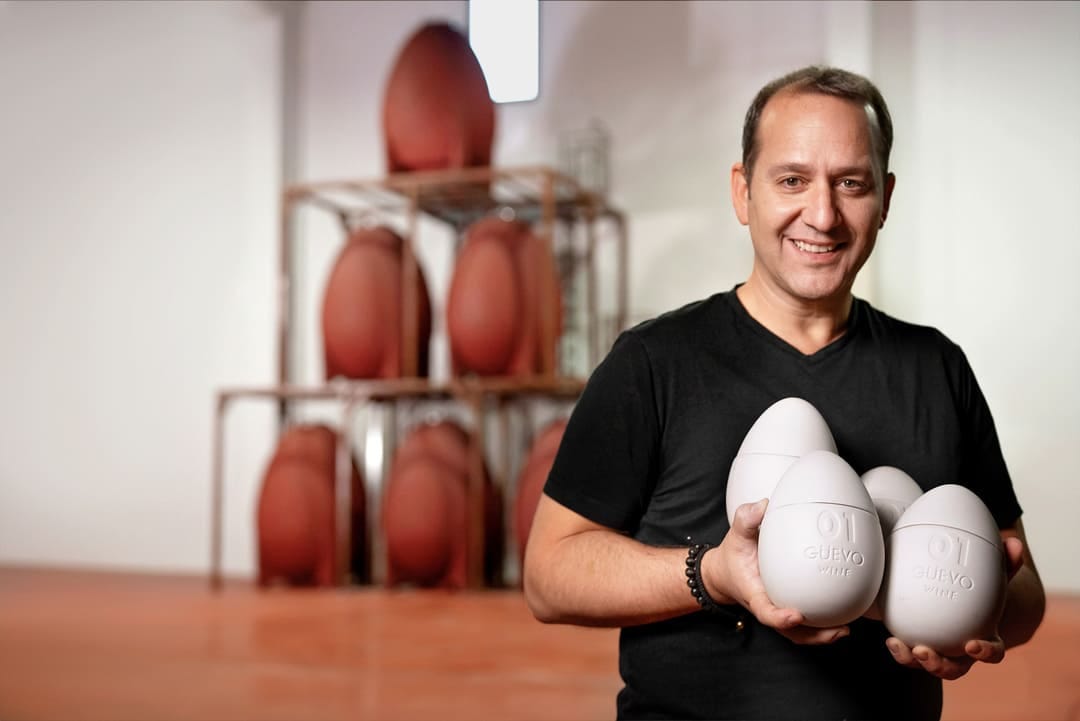
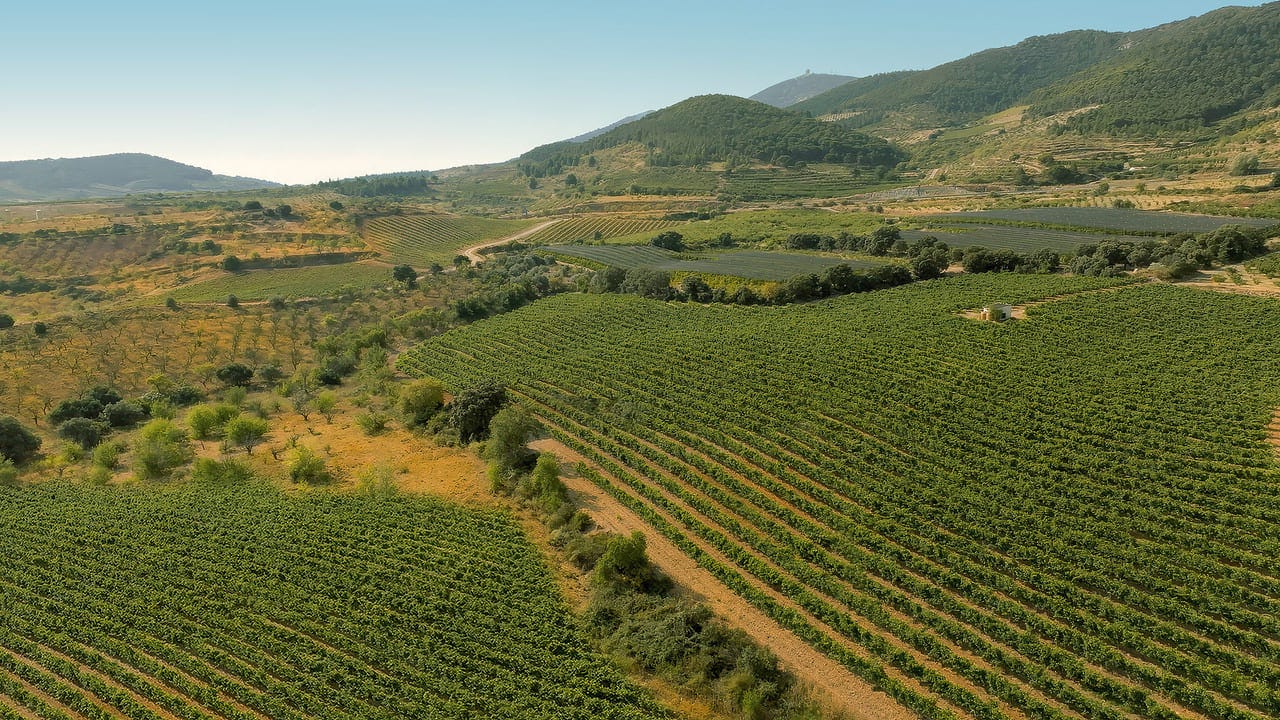
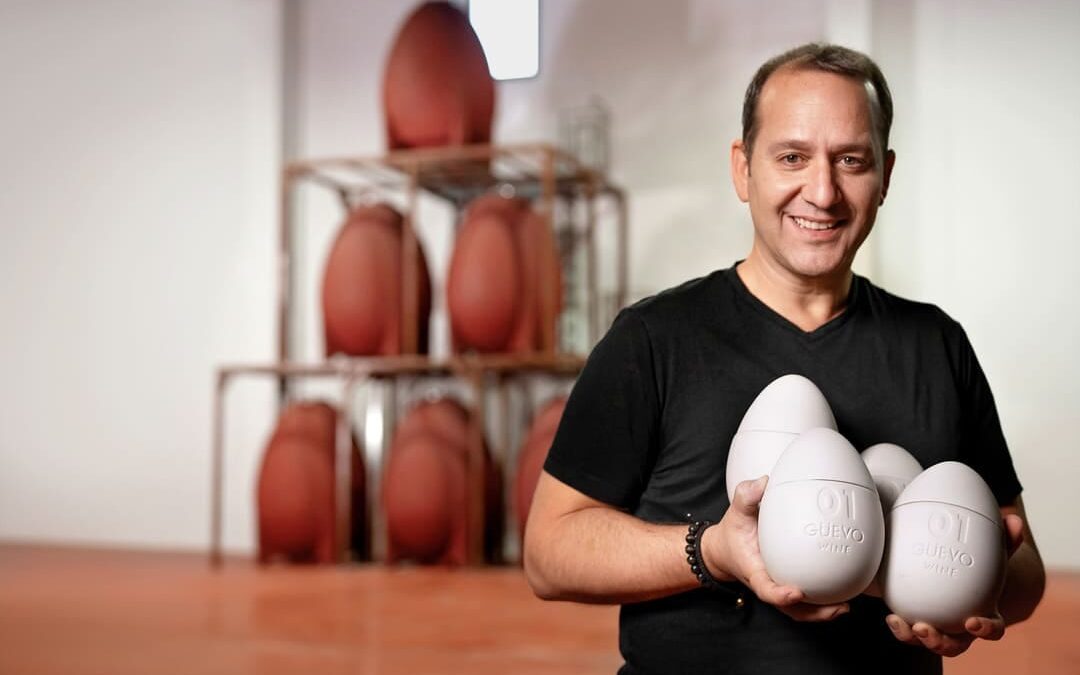
In the hills of Spain’s Sistema Ibérico, at 800 meters above sea level, winemaker César Langa has set out to challenge the conventions of modern enology. His project, Güevo Wine, positions itself as a “wine revolution”: a bold blend of ancient amphora wisdom, Sherry-style solera blending, and a futuristic ceramic bottle said to “breathe.” Behind the marketing poetry lies a deeper question for the trade: can such a fusion of past and future truly enhance terroir, stability, and longevity, or is it an example of wine romanticism?
The Ethernum Method
At the core of Güevo’s philosophy lies the Ethernum Method, described as their system combining native grapes, indigenous yeasts, and a criaderas y solera structure, a reference borrowed from Sherry aging traditions. The technique layers multiple vintages in a fractional-blending sequence: each year, a portion of the oldest wine (the solera) is drawn, then replenished by successively younger “criaderas.” The result is an evolving continuum that theoretically ensures consistency, complexity, and maturity.
This concept is hardly unorthodox. The solera system has long been celebrated in Jerez and Madeira for preserving quality and depth over decades, and has become a mainstay of upmarket rum production methods in Latin America. It introduces controlled oxidation and integrates the character of multiple harvests into a seamless whole. Enologists at the University of Cádiz have documented how solera aging maintains stable phenolic balance and promotes long-chain ester formation, which can add complexity and textural richness over time.
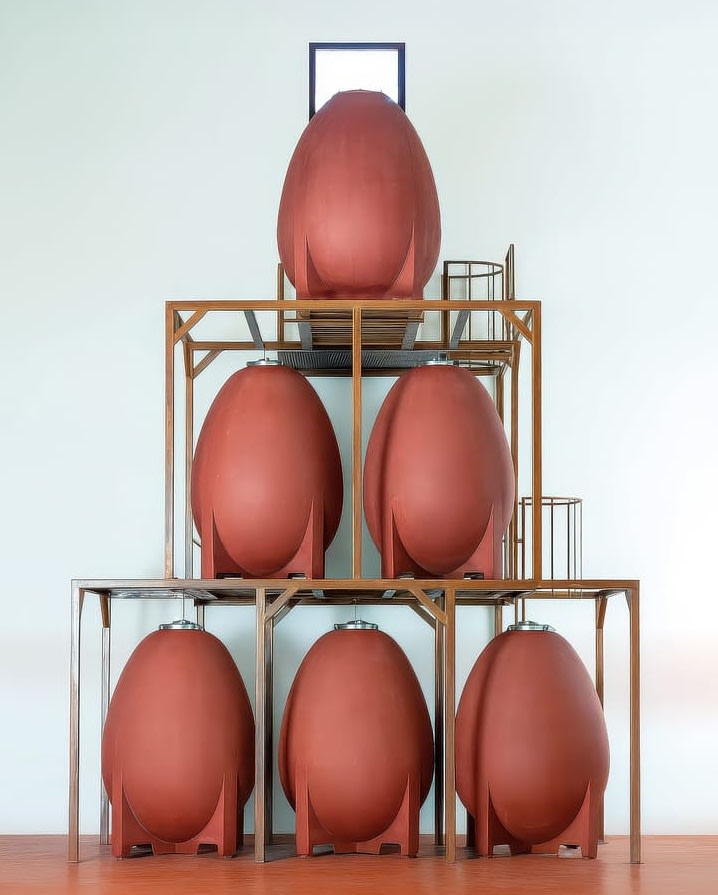
What differentiates Güevo’s take is the marriage of solera blending with concrete egg fermentation. In these ovoid vessels, fine lees circulate naturally, creating what the winery calls a “self-bâtonnage.” Studies at UC Davis and INRA Montpellier support the claim that egg-shaped fermenters enhance lees contact and achieve gentle micro-oxygenation. The result is textural roundness and freshness comparable to that of large neutral oak barrels, but without imparting wood aromatics.
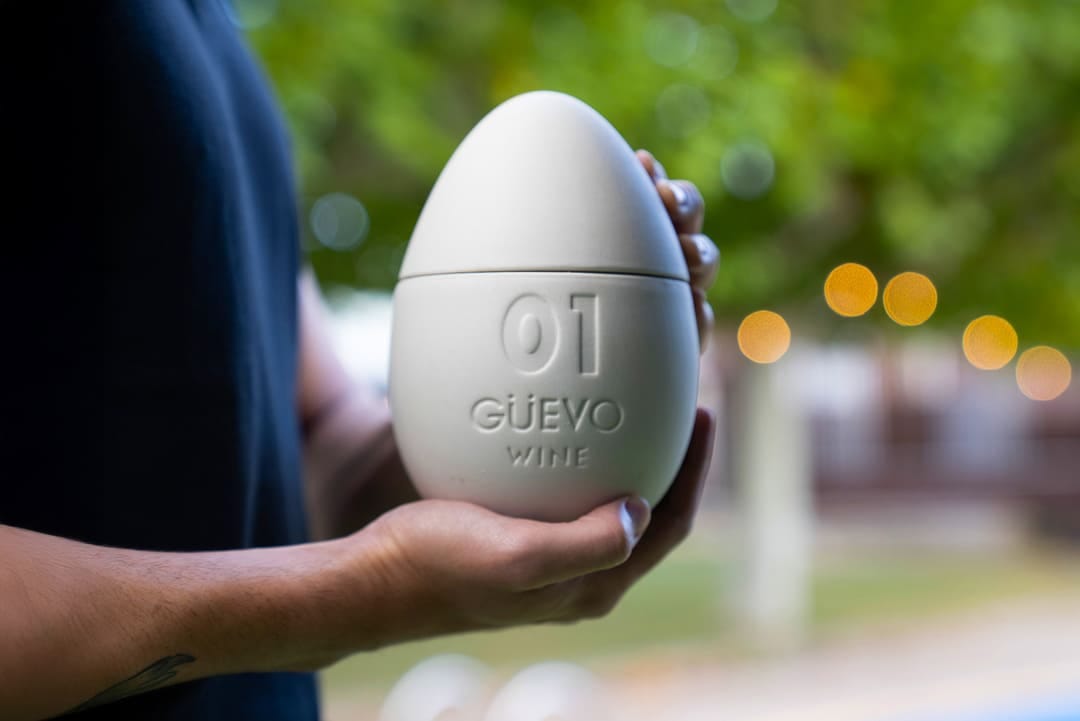
Güevo now takes this further by presenting the “world’s first permeable ceramic bottle.”
A Bottle That Breathes
The company’s ceramic vessel is described as both ovoid and porous, mimicking the micro-oxygenation of concrete eggs and ancient amphorae. The idea is that the wine continues to evolve post-bottling, rather than entering stasis as it would in glass.
At first glance, this sounds revolutionary. Controlled oxygen transmission rates (OTR) are well understood in barrel and closure science, yet applying them to the bottle itself is rare. Most ceramic materials have OTR values far higher than glass, raising potential risks of premature oxidation or microbiological instability.
However, laboratory studies published in Food Chemistry (2019) show that fine-grained ceramic composites can be engineered to allow oxygen ingress at rates comparable to natural cork. Enough to maintain slow aging but not spoilage. If Güevo’s material meets that threshold, the concept could hold real technical merit.
Wine-packaging expert Dr. Enrico Chiaranda (University of Padua) notes that “controlled permeability can extend reductive capacity while preventing hydrogen sulfide formation, provided the vessel’s porosity is uniform.” In other words, under ideal design, a breathable ceramic bottle could keep wine evolution stable. Still, large-scale validation is lacking, and peer-reviewed data on Güevo’s bottle have yet to be published.
For sommeliers, the key question is whether such post-bottling evolution is beneficial. In theory, a slow exchange of oxygen may soften tannins or integrate volatile compounds, similar to the subtle development seen in fine wines under natural cork. In practice, without precise calibration, oxidation could outpace maturity.
The Amphora Connection
To understand Güevo’s aesthetic and philosophical drive, we must look back. Amphora winemaking predates barrels by several millennia. Archaeological findings from Georgia’s Kakheti region show qvevri (large clay jars) used for fermentation and storage as early as 6000 BCE. Similar vessels spread through Greece, Italy, and the Roman Empire, where amphorae became both aging and transport containers.
The common denominator: porous clay that allowed gentle micro-oxygenation and thermal stability. In essence, amphorae were the world’s first breathable wine containers. Their egg-like geometry promoted natural convection of lees, the same effect mimicked by modern concrete eggs.
Today’s amphora revival draws from this lineage. Producers from Portugal’s Alentejo to Italy’s Friuli and Oregon’s Willamette Valley now use terracotta vessels for natural or “orange” wines, emphasizing texture, minerality, and purity. According to Decanter (2023), “amphora aging allows the grape’s intrinsic flavor to shine without oak’s aromatic overlay, creating wines of clarity and earth-driven identity.”
Güevo Wine’s Ethernum Method clearly belongs to this lineage, even if it reinterprets it through modern material science. Its “breathing bottle” concept is, in spirit, a continuation of the ancient amphora’s living exchange with its environment.
Terroir & Yeast
Güevo places equal weight on indigenous yeast fermentation, citing both Saccharomyces and non-Saccharomyces strains as contributors to complexity. Research supports this: a 2021 paper in Frontiers in Microbiology found that native yeast consortia increase ester and thiol diversity, leading to more nuanced aromatics.
Yet, wild fermentations also carry unpredictability. Fermentation biologists from the Australian Wine Research Institute warn that spontaneous ferments can result in variable alcohol yields, VA (volatile acidity), or stuck fermentation if poorly managed. Güevo’s use of native yeast thus aligns with the natural-wine ethos but requires disciplined cellar hygiene and monitoring to ensure stability.
In their high-altitude vineyards of El Frasno, the focus on local grape varieties such as Parrel, Almolda, Mazuela (Carignan), and Garnacha further reinforces the authenticity message. Altitude, indigenous microbiota, and low-input farming connect the project to the global trend of “wines that speak the landscape.”
Sustainability & Ethos
Güevo Wine’s environmental positioning is strong: organic and biodynamic viticulture, zero synthetic inputs, low sulfites, no plastics, and local community investment. These align with global movements in regenerative viticulture and carbon-light production. While Güevo offers no third-party certifications, its rhetoric mirrors the sustainability frameworks adopted by producers in Demeter and Ecocert networks.
For restaurants and wine professionals, such commitments are increasingly commercially relevant. Consumers under 40 show higher purchasing preference for “planet-positive” products, particularly when storytelling aligns authenticity with measurable ethics.
Skepticism & Validation
Not all claims can be taken at face value. Güevo cites European Union recognition for innovation, but no official patent or grant reference is provided. Similarly, calling the packaging “the world’s first permeable wine bottle” may be true in a narrow sense, but similar research exists. This includes Vinolok’s oxygen-controlled closures and Amphora Barcelona’s clay bottles used for natural wines.
Still, even if some claims stretch marketing boundaries, the technical ambition is genuine. By attempting to merge solera continuity, amphora-like evolution, and sustainable materials, Güevo sits within a credible movement toward low-intervention, terroir-driven winemaking. Framed through avant-garde design.
A New Wine Story
For sommeliers, restaurateurs, and importers, projects like Güevo represent a new storytelling frontier. They provide:
-
A sensory alternative to oak-dominated profiles: wines defined by purity, texture, and freshness.
-
Sustainability narratives that resonate with environmentally aware diners.
-
Educational value, allowing staff to discuss amphora history, solera blending, and micro-oxygenation in accessible terms.
-
Portfolio differentiation, appealing to adventurous drinkers seeking authenticity without rusticity.
However, these wines must be evaluated on merit, not myth. Sommeliers should monitor bottle evolution and serve the wines with appropriate context, emphasizing that permeability and “living” maturation are deliberate features, not flaws.
The Return Of Living Wines
If the Ethernum Method succeeds technically, it would be a meaningful evolution in how wine connects to its origins. The project’s fusion of amphora physics, solera philosophy, and ecological design speaks to a broader cultural desire. To make wines that breathe, evolve, and express place long after the cork (or ceramic cap) is sealed.
Güevo Wine provides hope that wine innovation does not always mean breaking with the past. Sometimes, progress lies in revisiting forgotten wisdom through modern understanding. A reminder that winemaking still revolves around a single truth, wine as a dialogue between earth, time, and human imagination.
Image Credit: https://www.guevowine.com
_ _ _
© CHURRASCO PHUKET STEAKHOUSE / ALL RIGHTS RESERVED
Reprinting, reposting & sharing allowed, in exchange for a backlink and credits
Churrasco Phuket Steakhouse serves affordable Wagyu and Black Angus steaks and burgers. We are open daily from 12noon to 11pm at Jungceylon Shopping Center in Patong / Phuket.
We are family-friendly and offer free parking and Wi-Fi for guests. See our menus, reserve your table, find our location, and check all guest reviews here:
https://ChurrascoPhuket.com/
#Churrascophuket #jungceylon #phuketsteakhouse #affordablewagyu #wagyu
by lspeed | Nov 1, 2025 | WINES: UNCORKING THE MYSTERY
Roughly a decade ago, ordering a Chardonnay in the U.S. almost guaranteed a glass that tasted as though it had spent months steeping in wood chips. The oaky craze dominated, much to my dismay. Thankfully, that fad has faded into history alongside the fidget spinner and Argyle socks, giving us space to reconsider both the merits and the missteps of this approach to winemaking.
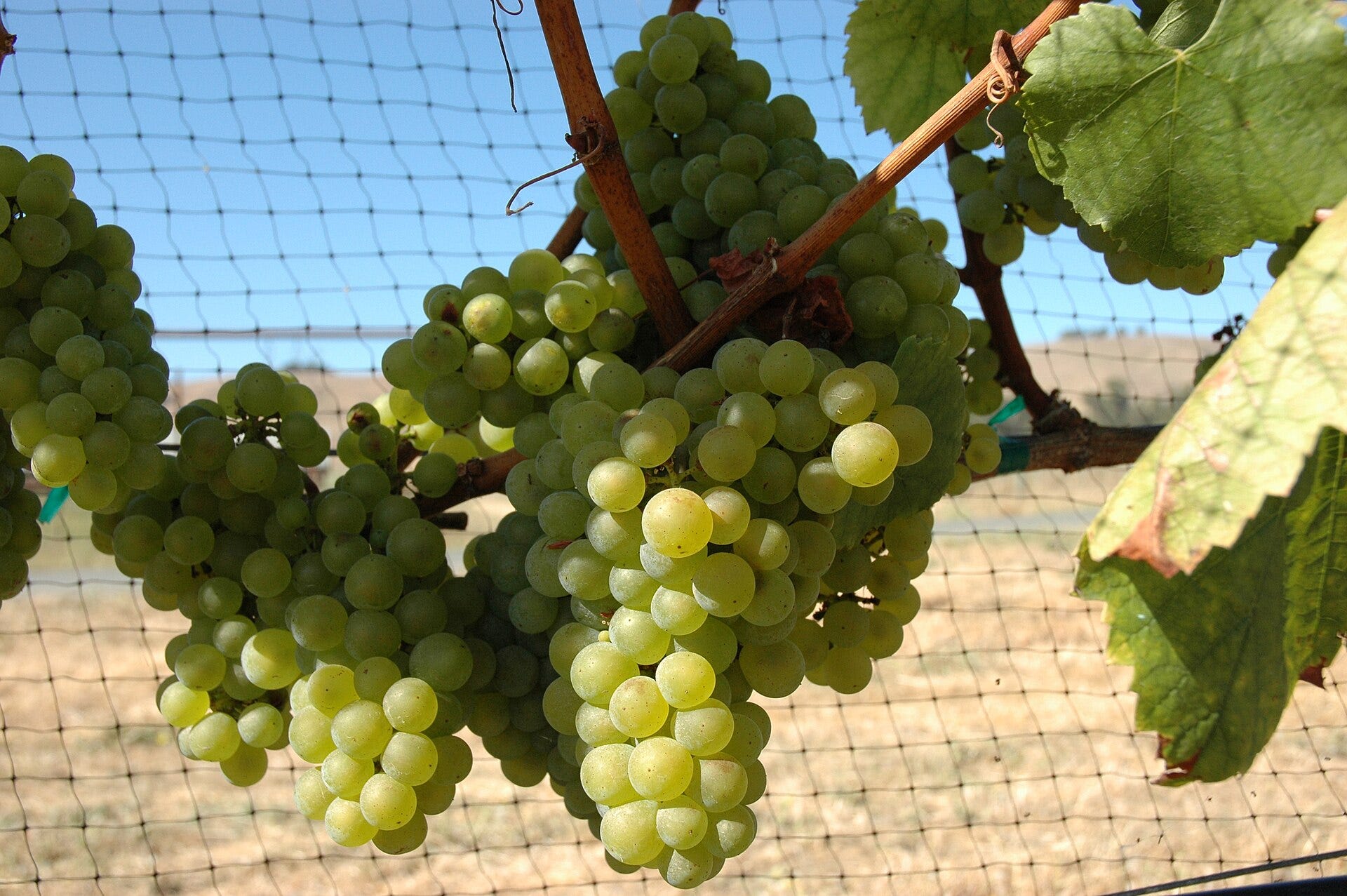
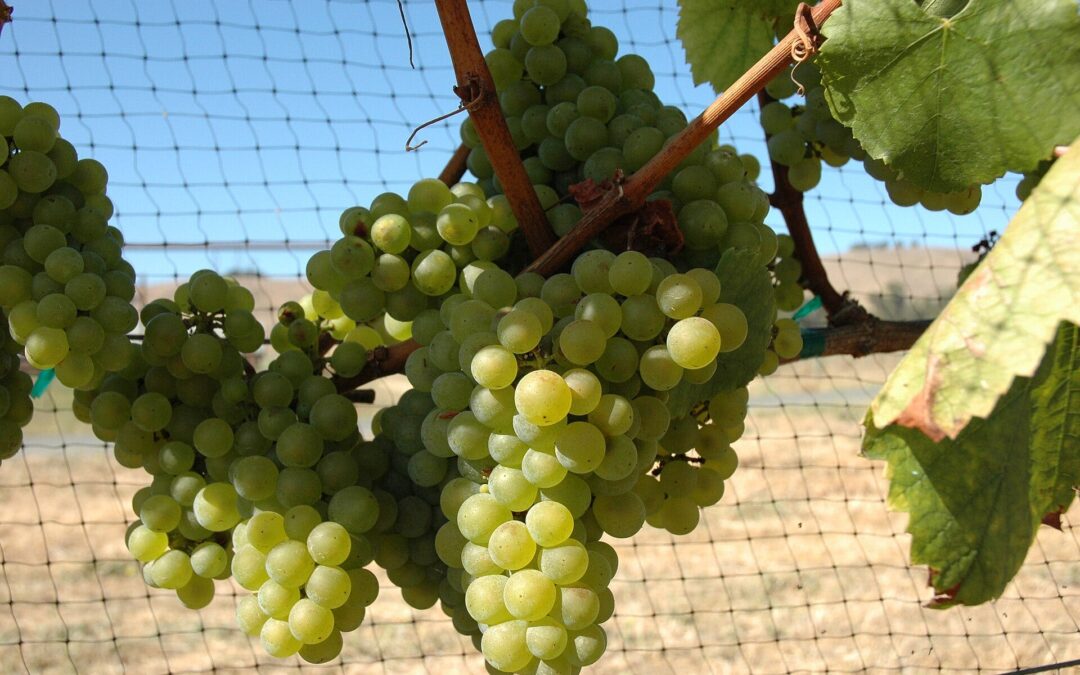
Few grape varieties invite such exploration of stylistic dichotomy as Chardonnay. Its ability to express both terroir and technique makes it a fixture in professional tasting rooms and wine programs. And this versatility feeds the debate between wooded and unwooded Chardonnay, a contrast that continues to shape how drinkers, critics, and sommeliers interpret this grape.
Context & Evolution
Chardonnay’s relationship with oak originates in Burgundy, where barrel fermentation and Élevage were once driven by practicality rather than stylistic intent. Oak casks were the standard storage medium for centuries. Over time, winemakers observed that maturation in wood enhanced complexity, texture, and stability. This practice evolved into a signature of the region’s great appellations (Meursault, Puligny-Montrachet, and Chassagne-Montrachet) where nuanced use of French oak remains the benchmark for refinement.
The unwooded style, by contrast, emerged much later as a deliberate statement of modern winemaking. From the 1970s onward, advances in stainless-steel technology allowed for precise temperature control and reductive handling, preserving freshness and primary fruit. By the late 1980s, this technical option had become a stylistic counterpoint, first in Chablis and subsequently in the New World, championed by producers seeking purity over opulence. The unoaked Chardonnay became not merely a reaction but an assertion of terroir and restraint.
Competing Profiles
Wooded Chardonnay owes its character to controlled oxygen ingress and flavor integration from oak. Depending on cooperage origin, toast level, and age, barrels contribute notes of vanilla, toasted hazelnut, clove, and brioche. Malolactic fermentation, frequently employed alongside barrel aging, adds lactic roundness and textural weight. The resulting profile tends toward richness, with aromas of baked apple, pear compote, and crème brûlée, supported by moderate acidity and a viscous mid-palate.
Unwooded Chardonnay, in contrast, foregrounds varietal precision. Stainless steel or concrete fermentation preserves volatile esters and crisp acidity. The wines display linearity, freshness, and fruit purity, with flavors of green apple, lemon zest, white peach – and in cooler climates, saline minerality. Texture is derived not from oak but from lees contact and bâtonnage, techniques that build subtle creaminess without sacrificing clarity. These are wines of articulation rather than amplitude.
Geography & Climate
Wooded Chardonnay Strongholds
-
Burgundy (France): The Côte de Beaune remains the archetype, demonstrating how fine-grained oak amplifies, rather than obscures, site character.
-
California: Regions such as Sonoma’s Russian River Valley and Carneros favor expressive barrel-fermented styles that balance ripe fruit and spice.
-
Australia: Margaret River and Yarra Valley producers have refined a contemporary model of moderate alcohol, restrained oak, and taut acidity.
-
South Africa: Elgin and Stellenbosch continue to push for precision in barrel selection and lees integration.
Unwooded Chardonnay Hubs
-
Chablis (France): The global reference for unoaked Chardonnay, shaped by Kimmeridgian limestone and cool maritime air.
-
New Zealand: Marlborough and Hawke’s Bay deliver vivid fruit expression underpinned by brisk acidity.
-
Australia: Adelaide Hills and Mornington Peninsula emphasize purity and minerality through stainless steel vinification.
-
South Africa: Coastal vineyards yield unoaked styles marked by tropical aromatics and saline lift.
Food, Function, and Pairing
From a professional standpoint, the choice between wooded and unwooded Chardonnay determines not only stylistic direction but also gastronomic function.
-
Wooded Chardonnays align with richer cuisines: butter-based sauces, shellfish, or poultry, where texture and oak spice complement umami depth.
-
Unwooded styles are suited to lighter or high-acid dishes: ceviche, oysters, and sushi, where freshness provides contrast and precision.
In market terms, wooded Chardonnay remains dominant in premium tiers, where barrel aging justifies price and cellar potential. Unoaked examples, while generally earlier-drinking, have gained traction in markets favoring transparency, lower alcohol, and sustainability.
Pursuing Balance
The binary distinction is softening as winemakers experiment with hybrid approaches, partial barrel fermentation or short élevage in neutral oak, to achieve balance. This middle ground satisfies consumers seeking both vibrancy and textural complexity. Additionally, reduced new oak usage, larger-format barrels, and acacia or foudre aging reflect a broader movement toward subtlety.
For professionals, the dichotomy between wooded and unwooded Chardonnay is less about opposition than calibration. Both express legitimate winemaking philosophies, one emphasizing transformation, the other translation. Whether in the precision of Chablis or the generosity of Sonoma, Chardonnay continues to serve as the medium through which craftsmanship and site converge.
Image Credit: Wikipedia.org
_ _ _
© CHURRASCO PHUKET STEAKHOUSE / ALL RIGHTS RESERVED
Reprinting, reposting & sharing allowed, in exchange for a backlink and credits
Churrasco Phuket Steakhouse serves affordable Wagyu and Black Angus steaks and burgers. We are open daily from 12noon to 11pm at Jungceylon Shopping Center in Patong / Phuket.
We are family-friendly and offer free parking and Wi-Fi for guests. See our menus, reserve your table, find our location, and check all guest reviews here:
https://ChurrascoPhuket.com/
#Churrascophuket #jungceylon #phuketsteakhouse #affordablewagyu #wagyu