by lspeed | Sep 21, 2025 | WINES: UNCORKING THE MYSTERY
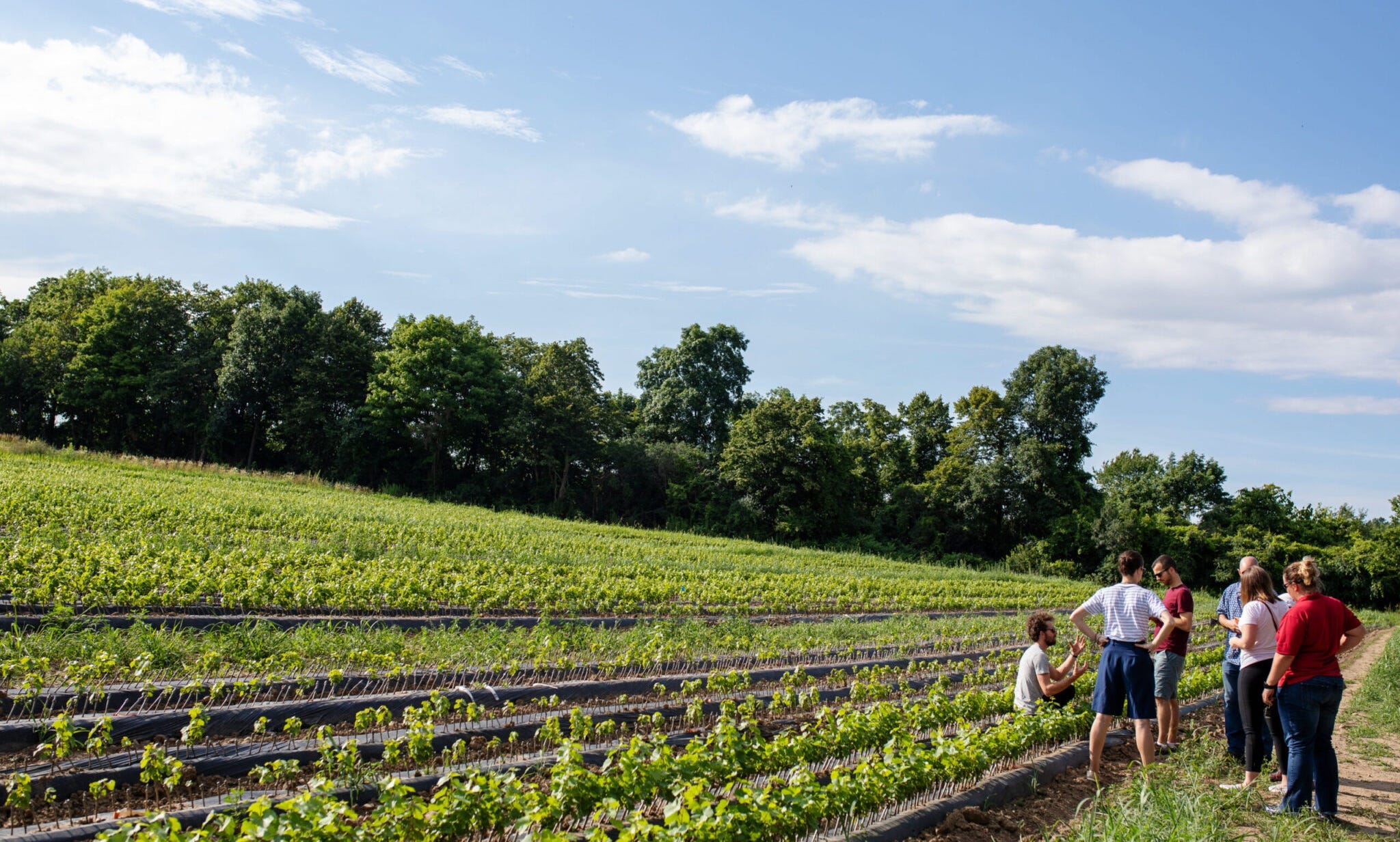
New York is the clear underdog in American wine, overshadowed by the volume and global marketing power of California, and to some extent by the boutique cool of Oregon and Washington. Yet, New York is home to some of the oldest vineyards in the country and continues to a number of produce wines that can hold their own alongside bottles from Europe and the New World. That said, the path to international recognition has been uneven and is ongoing.
Hybrid Roots
New York’s winemaking history stretches back to the 1600s, with commercial wine production emerging in earnest in the 19th century. However, much of the early wine output relied on native American grape varieties like Concord and Catawba. High in acidity and unusual in character, they are used mostly for sweet wines, sacramental purposes, and table grapes. These were hardy, disease-resistant grapes but not well-suited to the production of dry, refined wines expected by global wine markets.
The shift toward European Vitis vinifera varieties like Riesling and Chardonnay came relatively late and was pioneered in the 1950s by Dr. Konstantin Frank in the Finger Lakes. His success in cultivating vinifera in cold climates helped reposition New York’s winemaking identity. Still, hybrid grapes remain common today, particularly in lower-priced and regional wines, which continue to account for a substantial portion of overall production.
Key Regions
New York’s wine landscape is dominated by five main AVAs (American Viticultural Areas), each with its own conditions and identity:
-
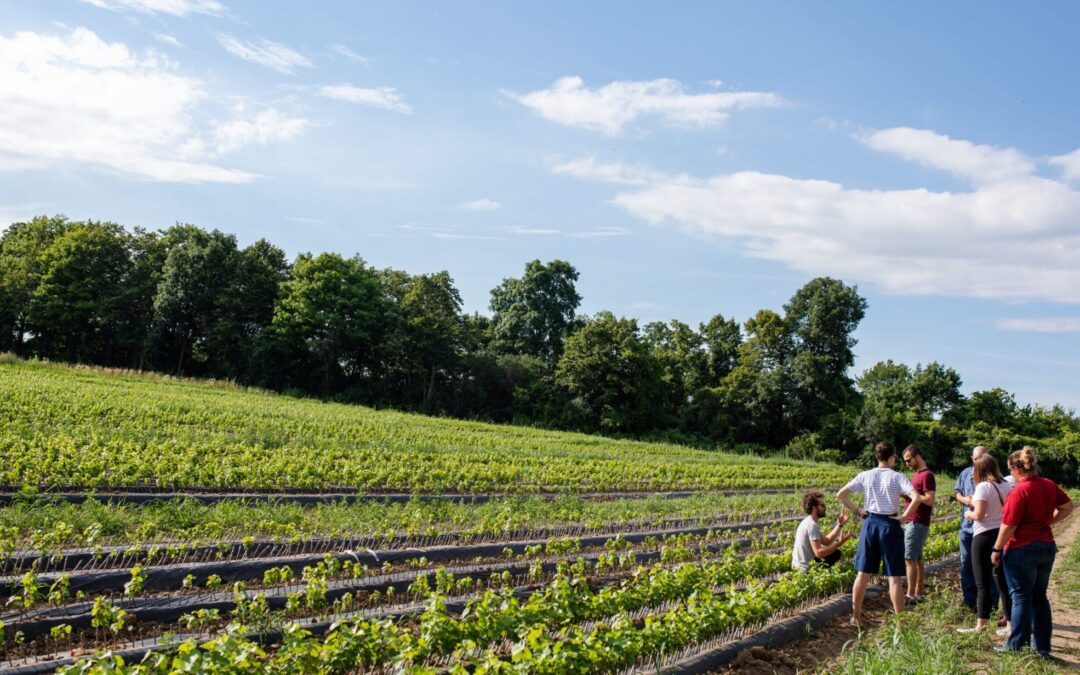
Finger Lakes: The best-known region, especially for Riesling. The deep glacial lakes create favorable microclimates that help mitigate frost and extend ripening.
-
Long Island: Produces Merlot, Cabernet Franc, and Chardonnay in a maritime climate reminiscent of Bordeaux, though often with lower alcohol and higher acidity.
-
Hudson River Region: One of the oldest growing areas, still working to distinguish itself beyond local markets.
-
Lake Erie & Niagara Escarpment: Focus on hybrids and Concord grapes, with a growing interest in quality-focused vinifera and ice wines.
Among vinifera grapes, Riesling stands out. It often yields crisp, mineral-driven wines with aging potential, drawing comparisons to cooler-climate German Rieslings. Cabernet Franc and Merlot from Long Island have also shown promise, though consistency is a challenge due to vintage variation and limited economies of scale.
Wine Styles
The styles produced across New York vary widely, from dry whites and reds to dessert wines and traditional method sparkling wines. At the premium end, small producers are making site-specific, low-intervention wines with clear ambition and increasing finesse. However, much of the state’s output still caters to local or entry-level markets, with wines that are sweeter, simpler, and priced accordingly. This split between artisanal ambition and mass-market practicality reflects the region’s main challenges.
Room to Grow
How do New York wines compare internationally? At the high end, some Rieslings from producers like Hermann J. Wiemer, Ravines, and Forge Cellars have earned critical praise and scored well in blind tastings against German and Alsatian peers. These successes are real but relatively isolated. In red wine, Long Island’s Bordeaux-style blends are often elegant and restrained but face stiff competition from Old World and New World wines at similar price points that offer greater depth or brand recognition.
There is also the issue of scale. Many New York wineries are small, limiting their distribution and price competitiveness abroad. For wine buyers outside the U.S., the state’s name still lacks the cachet of Burgundy, Napa, or even Marlborough. This affects not just retail but placement on export-focused restaurant wine lists.
Recognition & Realism
New York wines have received increasing attention at competitions like the International Wine Challenge and Decanter World Wine Awards, particularly in white and sparkling categories. Still, international market penetration remains limited. For now, New York’s wines are better known and appreciated by sommeliers, wine critics, and curious local drinkers rather than by the broader wine-buying public.
Whether that will change depends less on quality, and more on branding, market access, and consistent storytelling. For all its achievements, New York wine still needs clearer positioning: not just as “not California” or “Riesling from the East,” but as a region with its own voice.
More Information: https://newyorkwines.org/
Image Credit: https://newyorkwines.org/wp-content/uploads/2020/04/2019-FLX-Vineyard-Visit-Photo-Credit-to-Rima-Brindamour-102-scaled.jpg
_ _ _
© CHURRASCO PHUKET STEAKHOUSE / ALL RIGHTS RESERVED
Reprinting, reposting & sharing allowed, in exchange for a backlink and credits
Churrasco Phuket Steakhouse serves affordable Wagyu and Black Angus steaks and burgers. We are open daily from 12noon to 11pm at Jungceylon Shopping Center in Patong / Phuket.
We are family-friendly and offer free parking and Wi-Fi for guests. See our menus, reserve your table, find our location, and check all guest reviews here:
https://ChurrascoPhuket.com/
#Churrascophuket #jungceylon #phuketsteakhouse #affordablewagyu #wagyu
by lspeed | Sep 21, 2025 | LIQUORS: LIFT YOUR SPIRITS
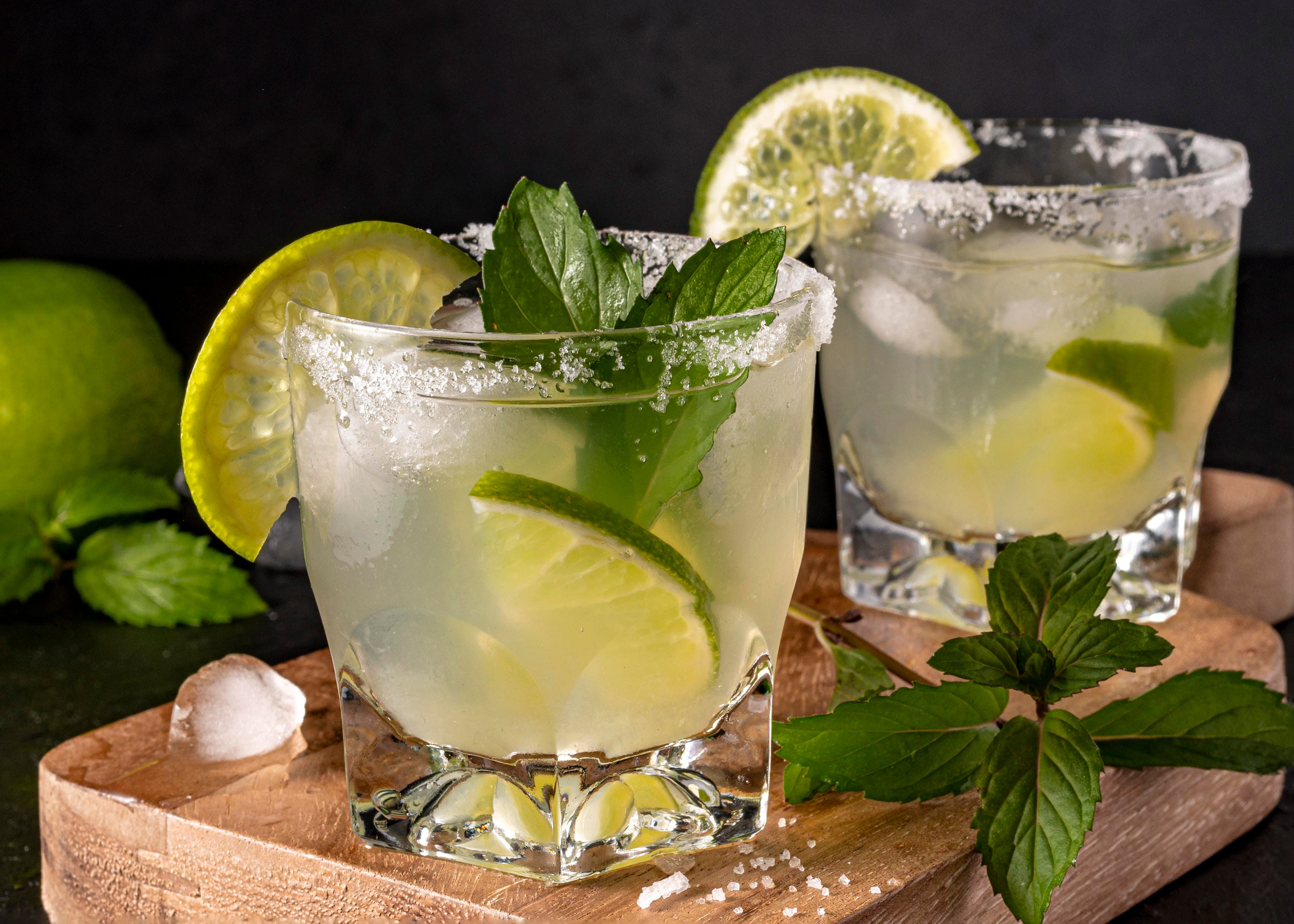
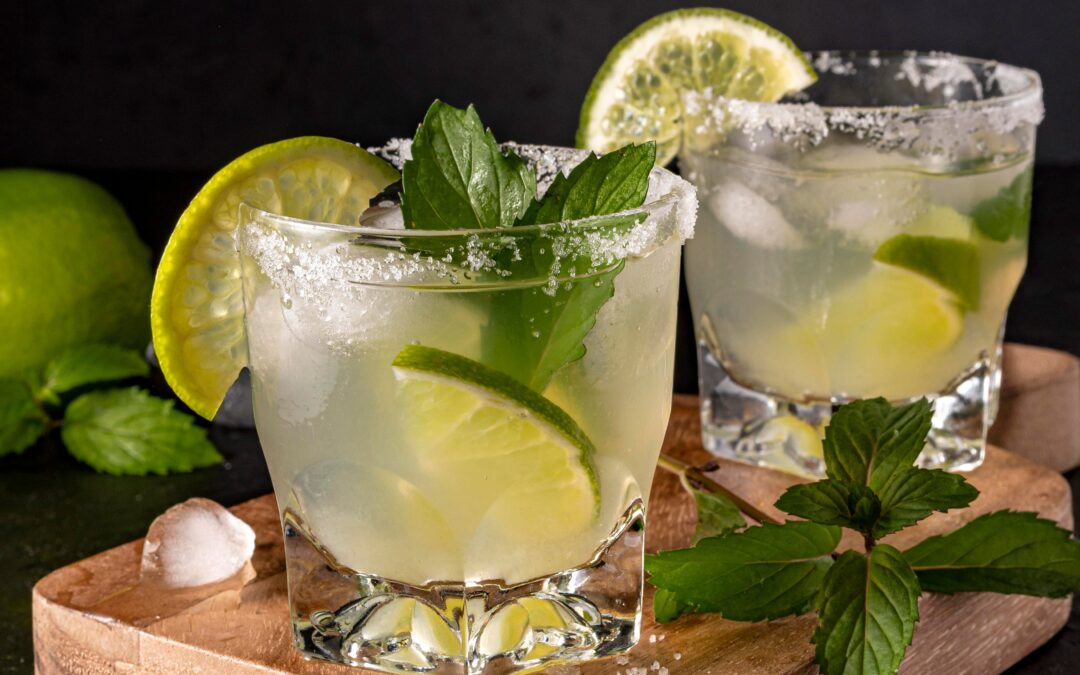
Cachaça is Brazil in a bottle. For centuries, this spirit has been the backbone of rural life, the lubricant of festivals, and the foundation of the world-famous Caipirinha. Behind its easygoing image lies a carefully regulated product, shaped by centuries of improvisation and, more recently, by law and scientific precision. Unlike rum, which it often gets compared to, Cachaça is distilled not from molasses but from fresh-pressed sugarcane juice. Its identity is protected by Brazilian law with the same seriousness that France applies to Cognac or Mexico to Tequila.
Legalities
Cachaça started out living in the shadows of Brazil’s economic policies. In colonial days it was banned, then taxed, then embraced as a source of revenue. Fast forward to the 21st century, and the Brazilian government has codified its definition with exacting detail. By law, Cachaça must be produced in Brazil, distilled from fresh sugarcane juice, and bottled at between 38% and 48% alcohol by volume. Anything else is not Cachaça. It may sound bureaucratic, but this legal clarity was essential in protecting the drink internationally.
In trade agreements with the United States and the European Union, “Cachaça” is now recognized as a distinctive product of Brazil, no small feat in a world where “rum” could easily overshadow it whole. The regulations extend further than just sugarcane and proof. Distillers must follow precise fermentation and distillation methods, and labeling laws prevent deceptive practices. Industrial producers, who churn out millions of liters, are subject to the same identity rules as the micro-producers in Minas Gerais who still fire their copper pot stills by hand. The playing field is wide, but the definition is clear.
Fermentation
The process begins not in the still but in the field. Cane must be cut, pressed, and fermented quickly before wild bacteria spoil the juice. Fermentation is fast, often less than 24 hours, spontaneous, and guided by native yeasts. In modern distilleries, selected yeasts are increasingly used to control consistency, but artisanal makers still trust their wood vats and the invisible life of the terroir. The result is a mash low in alcohol but rich in volatile compounds that will survive distillation and give Cachaça its green, vegetal, sometimes funky edge.
Distillation
Distillation in Brazil divides the spirit into two main categories: industrial Cachaça, usually produced in continuous column stills, and artisanal Cachaça, distilled in copper pot stills. Industrial column stills deliver volume and predictability, yielding spirits that are lighter, cleaner, and cheaper. Pot stills allow for more congeners, the flavorful but difficult compounds. For aficionados, that “imperfection” is what makes artisanal Cachaça compelling. Copper plays a crucial role here, not only conducting heat evenly but also reacting with sulfur compounds, smoothing out harsh edges.
Distillers discard the first and last fractions, called the head and tail. keeping only the heart, a delicate balance that determines whether the spirit sings or stumbles. Precision is optional, as Brazilian law even regulates the allowable levels of contaminants like methanol and copper. This ensures that small-batch producers working with rustic equipment must still meet standards that protect the reputation of the category.
The Role of Wood
Unlike most white rums, a significant portion of Cachaça production goes into wood. But Brazil does not limit itself to oak. Over 20 native woods, Amburana, Bálsamo, Jequitibá, Ipê, are legally permitted. Each imparts its own fingerprint, such as Amburana with its spicy cinnamon-vanilla notes, Bálsamo with earthy bitterness, and Jequitibá adding subtle floral tones. These woods are part of Cachaça’s uniqueness, a sensory link between the spirit and the Brazilian forests. Oak-aged versions exist for export markets, but within Brazil, drinkers often prefer the flavors of their own native trees.
Law and Life
Cachaça is not only a triumph of regulation and control. Its cultural reality is messier, more improvisational. In roadside bars you can still find rough, fiery versions served in chipped glasses, while in São Paulo’s sleek cocktail lounges, bartenders measure out barrel-aged expressions with reverence. Yet the fact that both experiences fall under the same legal definition is a testament to the flexibility and precision of Brazil’s regulatory framework. The law protects Cachaça not from variety but from ambiguity.
Image Credit: https://freepik.com
_ _ _
© CHURRASCO PHUKET STEAKHOUSE / ALL RIGHTS RESERVED
Reprinting, reposting & sharing allowed, in exchange for a backlink and credits
Churrasco Phuket Steakhouse serves affordable Wagyu and Black Angus steaks and burgers. We are open daily from 12noon to 11pm at Jungceylon Shopping Center in Patong / Phuket.
We are family-friendly and offer free parking and Wi-Fi for guests. See our menus, reserve your table, find our location, and check all guest reviews here:
https://ChurrascoPhuket.com/
#Churrascophuket #jungceylon #phuketsteakhouse #affordablewagyu #wagyu
by lspeed | Sep 21, 2025 | DECODING GRAPES: FROM VINES TO VINTAGE
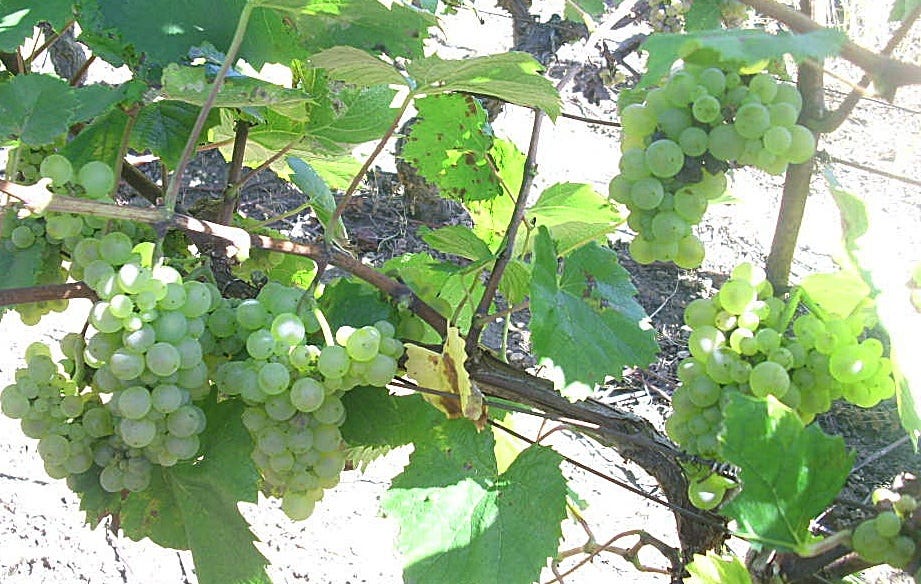
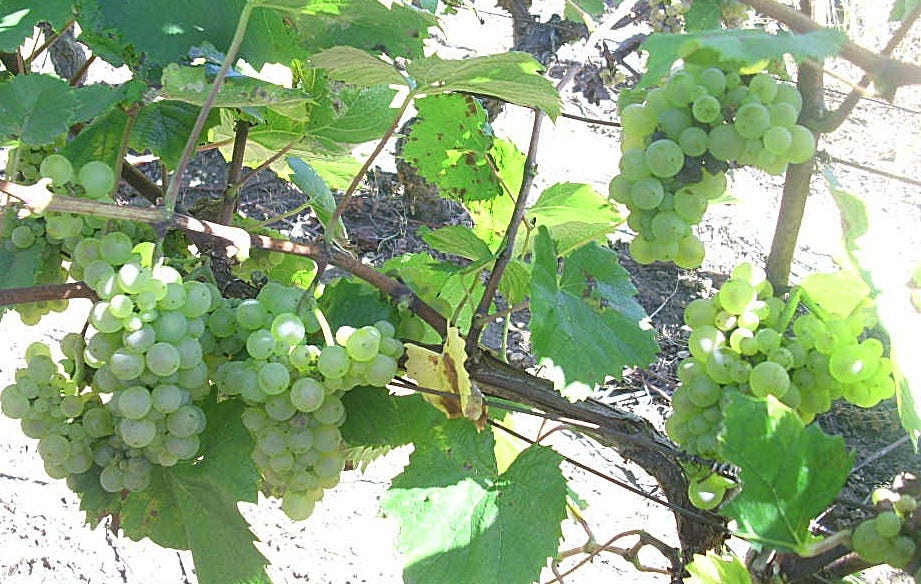
When people think of Burgundy wines, Chardonnay and Pinot Noir dominate the conversation. Yet tucked into corners of this famous region grows a grape that has long played a supporting role, occasionally overlooked but increasingly appreciated: Aligoté. This white grape may not have the glamour of its golden neighbor Chardonnay, but it carries a crisp personality and an enduring tradition worth knowing.
Origins and History
Aligoté is believed to have originated in Burgundy, where written references date back to the 18th century. It is a natural crossing of Pinot Noir and Gouais Blanc, the latter being a prolific “parent” grape responsible for several European varieties. Historically, Aligoté was planted in less prestigious vineyard sites, often on higher, cooler slopes where Chardonnay struggled to ripen. For generations, it served as a workhorse grape, producing simple, tangy wines that locals drank young or blended into sparkling Crémant de Bourgogne.
Style and Characteristics
At its best, Aligoté offers a bright, linear profile. It is typically light-bodied with elevated acidity, making it refreshing and food-friendly. Flavors lean toward green apple, citrus zest, white flowers, and sometimes a faint nuttiness with age. Unlike Chardonnay, which can take on opulence from oak and malolactic fermentation, Aligoté is usually made in a straightforward, unoaked style to preserve its crispness. The result is a wine that is less about plush texture and more about clarity and refreshment.
Regional Expressions
The spiritual home of Aligoté remains Burgundy, where the appellation Bourgogne Aligoté AOC was created in 1937 to protect and promote the grape. Within this, the Bouzeron AOC, established in 1997, is dedicated solely to Aligoté. Bouzeron’s wines, particularly from producers like Domaine A. & P. de Villaine, show that this grape can rise above its reputation for simplicity when planted on the right soils and given careful attention.
Beyond Burgundy, Aligoté has spread to Eastern Europe, particularly Bulgaria, Romania, Ukraine, and Russia, where it became widely planted in the 20th century. In these countries it was often used for blending, though some varietal bottlings exist. More recently, small plantings in Oregon, California, and even England have surfaced, offering new interpretations of its bright style.
Cultural Role
Perhaps Aligoté’s most enduring cultural contribution is its role in the Kir cocktail. The drink—white wine with a splash of crème de cassis—was popularized in Dijon in the mid-20th century, when the local mayor, Félix Kir, promoted it as a regional specialty. At the time, Aligoté was seen as a rather tart wine on its own, so the cassis liqueur softened its sharpness. Today, Kir remains a symbol of Burgundian conviviality.
Contemporary Reputation
In recent decades, Aligoté has benefited from a reassessment. As Chardonnay prices and prestige continue to climb, wine drinkers seeking value and freshness are turning to this once-humble grape. In the hands of quality-focused growers, Aligoté can be nuanced, mineral-driven, and surprisingly age-worthy. While it will likely never unseat Chardonnay as Burgundy’s crown jewel, it has secured a loyal following and a place in the global conversation about distinctive, characterful white wines.
Image Credit: https://wikipedia.org
_ _ _
© CHURRASCO PHUKET STEAKHOUSE / ALL RIGHTS RESERVED
Reprinting, reposting & sharing allowed, in exchange for a backlink and credits
Churrasco Phuket Steakhouse serves affordable Wagyu and Black Angus steaks and burgers. We are open daily from 12noon to 11pm at Jungceylon Shopping Center in Patong / Phuket.
We are family-friendly and offer free parking and Wi-Fi for guests. See our menus, reserve your table, find our location, and check all guest reviews here:
https://ChurrascoPhuket.com/
#Churrascophuket #jungceylon #phuketsteakhouse #affordablewagyu #wagyu

by lspeed | Sep 21, 2025 | RESTAURANT BUSINESS: BEHIND THE KITCHEN DOOR
Used wisely, restaurant surveillance and monitoring systems enhance safety, improve operations, and protect investments. Misused or over-relied upon, they risk creating an atmosphere of fear and resentment, driving away both staff and customers. While surveillance brings undeniable advantages, it also brings up limitations, legal risks, and unintended consequences.
The Benefits
At its best, surveillance helps protect a restaurant’s most critical assets – its people, its property, and its brand reputation. Security cameras can deter theft, both internal and external. In such an environments where cash handling is frequent, the mere presence of visible cameras often discourages employee misconduct and can resolve disputes over missing money or stock. From an operational standpoint, surveillance footage can be a valuable training tool. Reviewing real-life interactions allows management to spot service gaps, inefficiencies, or safety hazards that might otherwise go unnoticed. It can even assist in defending against fraudulent liability claims, such as slip-and-fall cases, which can carry significant financial risk. Surveillance offers peace of mind. For owners and managers who cannot be on-site 24/7, remote camera access via smartphones provides a way to stay connected and keep an eye on the business in real-time.
Ethics & Legality
However, surveillance isn’t simply a matter of installing cameras and hitting record. There are strict legal frameworks that vary by jurisdiction, and failing to comply can result in heavy penalties. First, most regions require that any video or audio recording be disclosed to those being monitored. Hidden cameras in dining rooms or restrooms are almost universally illegal. Even in employee-only areas, such as kitchens or stockrooms, regulations typically mandate clear signage informing staff they are under surveillance.
Audio recording presents even more legal complexity. In many places, recording conversations without the consent of all parties is against the law. This makes capturing customer or staff conversations a risky proposition unless explicit consent has been obtained. Beyond the legal issues, there are ethical ones. Too much surveillance can create a culture of mistrust. Staff members who feel constantly watched may experience lower job satisfaction, increased stress, and higher turnover, problems that hurt morale and customer experience.
The Alternatives
If traditional surveillance feels too intrusive or heavy-handed, there are alternative methods to improve oversight without undermining trust. One option is to focus on building a strong workplace culture where accountability is part of the DNA. Clear protocols, open communication, and regular performance reviews often achieve better long-term results than monitoring alone.
Mystery shoppers offer an alternative, human-centric way to assess service quality without constant recording. Regular team meetings and anonymous staff feedback channels also allow issues to surface organically. Technology plays a supporting role without heavy surveillance. POS system audits, inventory management software, and timekeeping tools flag discrepancies or inefficiencies without resorting to round-the-clock monitoring.
The Limits
Even the most sophisticated surveillance system cannot replace good management. Cameras can catch someone making a mistake or breaking the rules, but they do not prevent mistakes from happening in the first place. They cannot fix deep-rooted cultural problems, nor can they coach employees on delivering a memorable guest experience.
More importantly, surveillance is reactive by nature. It can show you what happened after the fact, but it rarely provides the insight needed to proactively inspire better performance. The goal of any restaurant surveillance system should be support, not control.
Image Credit: https://freepik.com
_ _ _
© CHURRASCO PHUKET STEAKHOUSE / ALL RIGHTS RESERVED
Reprinting, reposting & sharing allowed, in exchange for a backlink and credits
Churrasco Phuket Steakhouse serves affordable Wagyu and Black Angus steaks and burgers. We are open daily from 12noon to 11pm at Jungceylon Shopping Center in Patong / Phuket.
We are family-friendly and offer free parking and Wi-Fi for guests. See our menus, reserve your table, find our location, and check all guest reviews here:
https://ChurrascoPhuket.com/
#Churrascophuket #jungceylon #phuketsteakhouse #affordablewagyu #wagyu
by lspeed | Sep 7, 2025 | BLACK BOX: RANTS, RAVES, REVIEWS & RECIPES
You probably feel it too, that weird mix of curiosity and fear whenever someone mentions AI and restaurants in the same sentence. On the one hand, it sounds like salvation. On the other, it feels like a threat. And if you’ve spent any real time in this business – grease under your fingernails, short-staffed on a Friday night, praying your vendor actually delivers the tomatoes before lunch service – you know exactly what’s at stake.
AI promises help. Real help. But it also threatens to flatten what makes restaurants human. So let’s break it down. Where it belongs, where it absolutely doesn’t, and why you might lose the very thing that keeps your guests coming back.
Where AI Belongs: In the Boring Back Office
First, you should use AI, especially for the parts of the business that burn you out.
Inventory Management
How many hours have you lost trying to figure out why your lettuce order always overruns by Thursday? AI-powered inventory tools can forecast usage based on historical sales patterns, flag anomalies, and even recommend restocking amounts. It’s like having a data analyst on your team, minus the salary.
Scheduling
Nightmare, right? Especially when two team members switch shifts without telling anyone and you only find out during the Saturday brunch rush. AI can generate optimized rosters based on availability, footfall predictions, and labor cost ceilings. And notify everyone automatically.
Menu Profitability
You probably have dishes you love but they don’t sell. Or worse, dishes that do sell but barely turn a profit. AI-driven POS systems can flag these in seconds. You’ll find yourself looking at data like contribution margin, guest satisfaction scores, and prep time all in one dashboard. That’s not just useful, it’s essential.
Real-life Example
One restaurant using an AI-enabled POS discovered their most popular item, an avocado chicken burger, was dragging down margins due to seasonal produce spikes. By trimming portion sizes and up-selling add-ons, they reversed the loss and increased profit by 20% in two months. That’s power you can’t ignore.
Where AI Doesn’t Belong: The Heart of Hospitality
Now the hard truth: AI can’t replace what you and your team do at the front of house. It can mimic it. It can script it. But it can’t be it. Three very real reasons why:
AI Can’t Read People (and People Lie)
You’ve probably had your own Mr. Fussy—that guest who always finds something wrong. The steak’s too charred, the wine too cold, the sauce too rich. Every time. And if you’re new to this, you might try to fix the food. But give it a few weeks, and you learn the truth: it’s not about the food. It’s a game. Maybe a need for control. Maybe just habit. But when you call their bluff, with a bit of empathy, not confrontation, they usually back off.
AI would never catch that. It would tag them as “frequent complainer,” maybe flag their account. But you? You know when a complaint isn’t really a complaint. And you know how to handle it without alienating someone who, ironically, might be your most loyal guest. That instinct is an emotional radar and can’t be trained into an algorithm. Not yet. Hopefully not ever.
AI Can’t Create Magic Moments
Every restaurant has them. A couple on the verge of tears. A solo diner nervously scanning the room. A family too tired to speak. And then something shifts. You comp a dessert, send out a small amuse-bouche, or simply stop by to say, “We’re really glad you’re here tonight.”
One place did this when they noticed a woman alone on Valentine’s Day. They brought her a rose and a mocktail on the house, no questions asked. She posted about it later, tagging the restaurant and calling it the “kindest gesture of the year.” That’s not something AI is going to suggest in a pop-up window.
It’s not about trends or customer data, it’s about presence. You’re there, in the moment, reading the energy of the room. Adjusting. Caring. You can’t code that.
AI Doesn’t Lose Sleep Over a Bad Review
You know that awful feeling you get when someone posts a two-star review? And it’s vague? “Food was okay. Service meh. Not sure I’d return.” You rack your brain trying to figure out what happened. You go over receipts, ask the floor manager, check who was on shift. Because it matters.
AI? It’ll log the review. Maybe send an apology email. Maybe suggest a service training module. But it won’t carry the weight of it. You do. Because that’s what professionals do. You care. And weirdly, that’s the difference between good restaurants and great ones. The people behind them take things personally. Not in a fragile way, but in a way that says: “This matters. You matter.” That’s not something AI understands.
Don’t Over-Automate
If you rely too heavily on automation with QR-code menus, robotic service, or zero human interaction, you risk killing the very reason people dine out in the first place. People want convenience. But they also want connection. They want to feel welcomed, seen, cared for. Especially post-pandemic, when human contact became rare and precious. Strip that away, and you’re no better than a vending machine with mood lighting.
So What To Do?
AI is amazing at structure, systems, and spotting what you miss in the rush. You want it in your spreadsheets, your fridge logs, and your scheduling software. But don’t let it creep into the part of the business that’s actually alive.
Use AI like a sous chef, not the executive chef. Let it handle the math. Let it flag blind spots. Let it streamline the parts of the business that suck your time and kill your creativity.
But never let it handle the magic. Because for the time being at least, that job is yours.
Image Credit: https://https://www.freepik.com/free-photo/barman-with-fruits_2280596.htm
_ _ _
© CHURRASCO PHUKET STEAKHOUSE / ALL RIGHTS RESERVED
Reprinting, reposting & sharing allowed, in exchange for a backlink and credits
Churrasco Phuket Steakhouse serves affordable Wagyu and Black Angus steaks and burgers. We are open daily from 12noon to 11pm at Jungceylon Shopping Center in Patong / Phuket.
We are family-friendly and offer free parking and Wi-Fi for guests. See our menus, reserve your table, find our location, and check all guest reviews here:
https://ChurrascoPhuket.com/
#Churrascophuket #jungceylon #phuketsteakhouse #affordablewagyu #wagyu