by lspeed | Sep 21, 2025 | WINES: UNCORKING THE MYSTERY
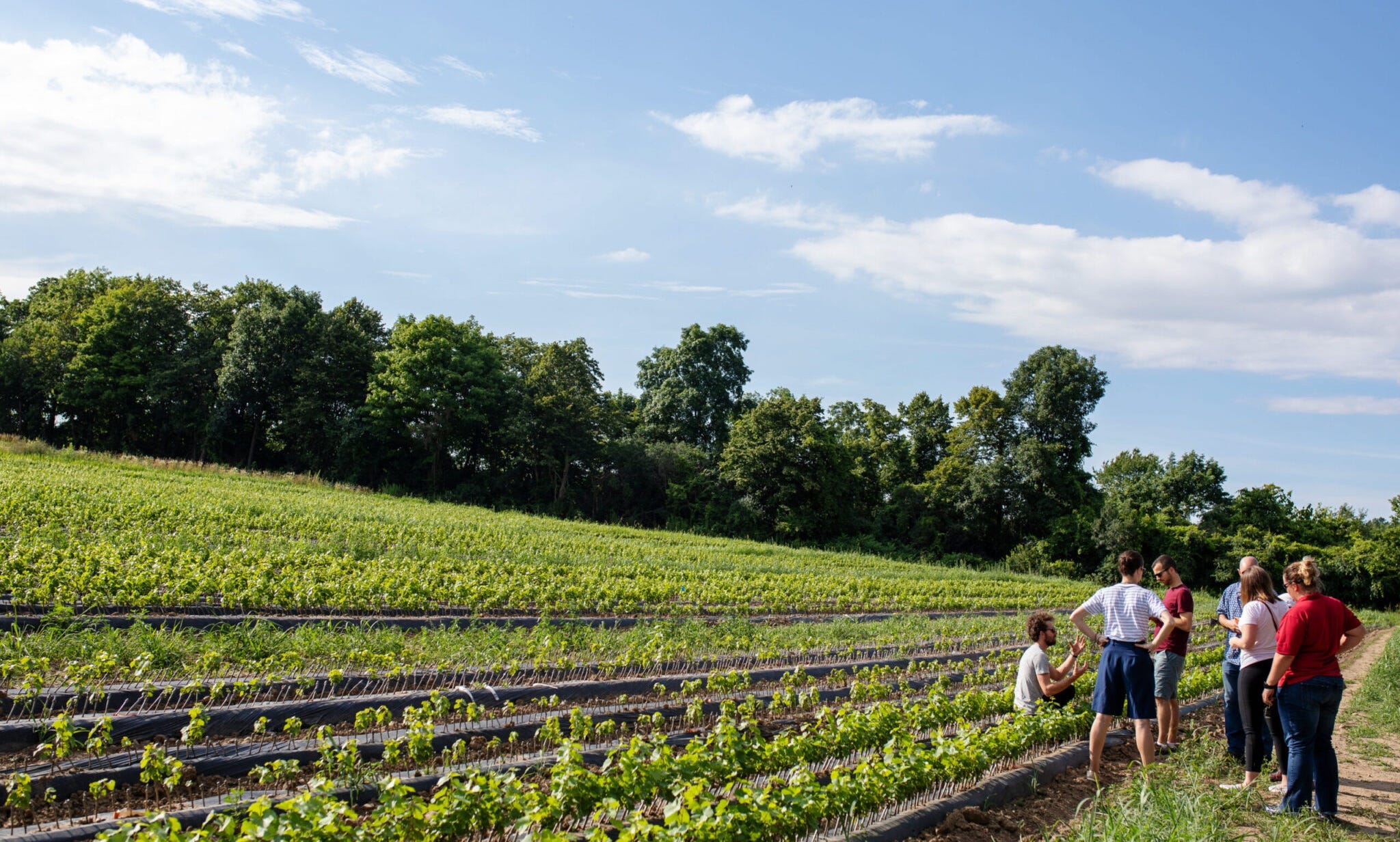
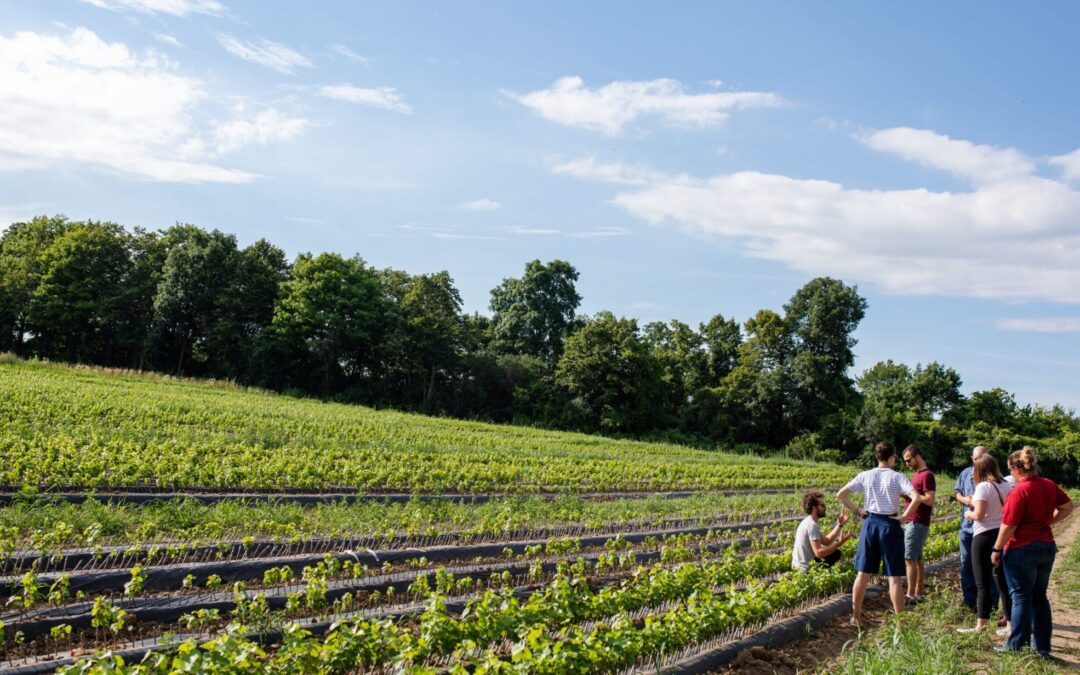
New York is the clear underdog in American wine, overshadowed by the volume and global marketing power of California, and to some extent by the boutique cool of Oregon and Washington. Yet, New York is home to some of the oldest vineyards in the country and continues to a number of produce wines that can hold their own alongside bottles from Europe and the New World. That said, the path to international recognition has been uneven and is ongoing.
Hybrid Roots
New York’s winemaking history stretches back to the 1600s, with commercial wine production emerging in earnest in the 19th century. However, much of the early wine output relied on native American grape varieties like Concord and Catawba. High in acidity and unusual in character, they are used mostly for sweet wines, sacramental purposes, and table grapes. These were hardy, disease-resistant grapes but not well-suited to the production of dry, refined wines expected by global wine markets.
The shift toward European Vitis vinifera varieties like Riesling and Chardonnay came relatively late and was pioneered in the 1950s by Dr. Konstantin Frank in the Finger Lakes. His success in cultivating vinifera in cold climates helped reposition New York’s winemaking identity. Still, hybrid grapes remain common today, particularly in lower-priced and regional wines, which continue to account for a substantial portion of overall production.
Key Regions
New York’s wine landscape is dominated by five main AVAs (American Viticultural Areas), each with its own conditions and identity:
-
Finger Lakes: The best-known region, especially for Riesling. The deep glacial lakes create favorable microclimates that help mitigate frost and extend ripening.
-
Long Island: Produces Merlot, Cabernet Franc, and Chardonnay in a maritime climate reminiscent of Bordeaux, though often with lower alcohol and higher acidity.
-
Hudson River Region: One of the oldest growing areas, still working to distinguish itself beyond local markets.
-
Lake Erie & Niagara Escarpment: Focus on hybrids and Concord grapes, with a growing interest in quality-focused vinifera and ice wines.
Among vinifera grapes, Riesling stands out. It often yields crisp, mineral-driven wines with aging potential, drawing comparisons to cooler-climate German Rieslings. Cabernet Franc and Merlot from Long Island have also shown promise, though consistency is a challenge due to vintage variation and limited economies of scale.
Wine Styles
The styles produced across New York vary widely, from dry whites and reds to dessert wines and traditional method sparkling wines. At the premium end, small producers are making site-specific, low-intervention wines with clear ambition and increasing finesse. However, much of the state’s output still caters to local or entry-level markets, with wines that are sweeter, simpler, and priced accordingly. This split between artisanal ambition and mass-market practicality reflects the region’s main challenges.
Room to Grow
How do New York wines compare internationally? At the high end, some Rieslings from producers like Hermann J. Wiemer, Ravines, and Forge Cellars have earned critical praise and scored well in blind tastings against German and Alsatian peers. These successes are real but relatively isolated. In red wine, Long Island’s Bordeaux-style blends are often elegant and restrained but face stiff competition from Old World and New World wines at similar price points that offer greater depth or brand recognition.
There is also the issue of scale. Many New York wineries are small, limiting their distribution and price competitiveness abroad. For wine buyers outside the U.S., the state’s name still lacks the cachet of Burgundy, Napa, or even Marlborough. This affects not just retail but placement on export-focused restaurant wine lists.
Recognition & Realism
New York wines have received increasing attention at competitions like the International Wine Challenge and Decanter World Wine Awards, particularly in white and sparkling categories. Still, international market penetration remains limited. For now, New York’s wines are better known and appreciated by sommeliers, wine critics, and curious local drinkers rather than by the broader wine-buying public.
Whether that will change depends less on quality, and more on branding, market access, and consistent storytelling. For all its achievements, New York wine still needs clearer positioning: not just as “not California” or “Riesling from the East,” but as a region with its own voice.
More Information: https://newyorkwines.org/
Image Credit: https://newyorkwines.org/wp-content/uploads/2020/04/2019-FLX-Vineyard-Visit-Photo-Credit-to-Rima-Brindamour-102-scaled.jpg
_ _ _
© CHURRASCO PHUKET STEAKHOUSE / ALL RIGHTS RESERVED
Reprinting, reposting & sharing allowed, in exchange for a backlink and credits
Churrasco Phuket Steakhouse serves affordable Wagyu and Black Angus steaks and burgers. We are open daily from 12noon to 11pm at Jungceylon Shopping Center in Patong / Phuket.
We are family-friendly and offer free parking and Wi-Fi for guests. See our menus, reserve your table, find our location, and check all guest reviews here:
https://ChurrascoPhuket.com/
#Churrascophuket #jungceylon #phuketsteakhouse #affordablewagyu #wagyu
by lspeed | Sep 7, 2025 | WINES: UNCORKING THE MYSTERY
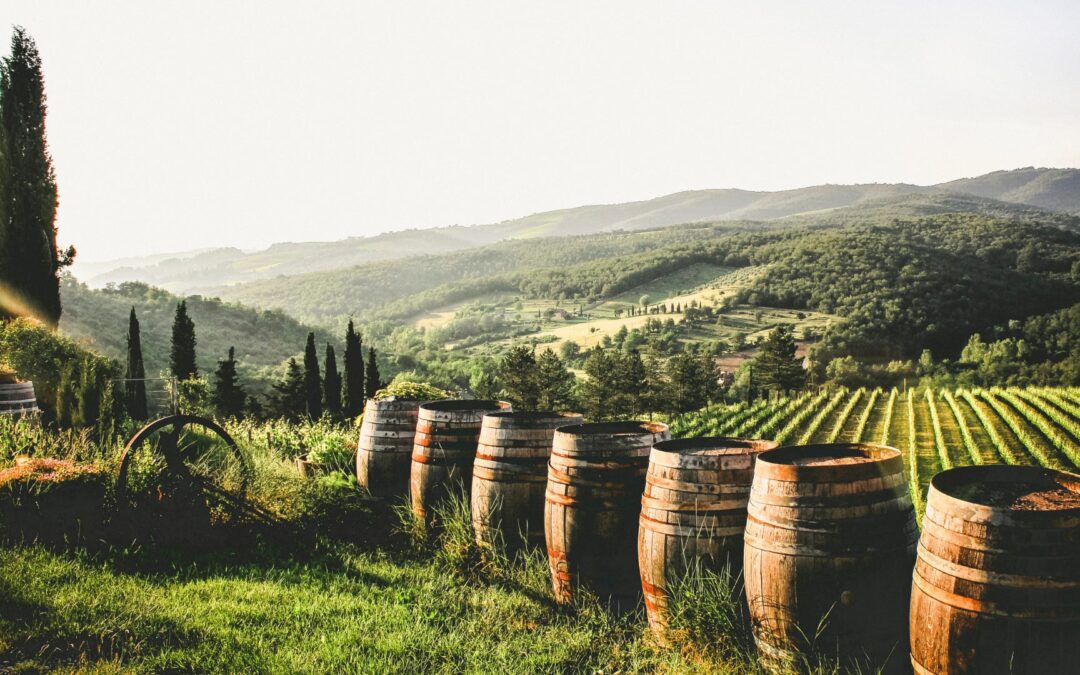
Ever tried Turkish wines? If not, it’s about time to do so. On Turkey’s Aegean coast, the town of Urla is quietly raising its profile in the international wine scene. With a winemaking history dating back over 6,000 years, Urla was once a vital hub in the ancient Ionian city of Klazomenai. Today, it’s experiencing a renaissance, blending millennia-old traditions with cutting-edge innovation to produce wines that are gaining some acclaim.
Urla’s connection to wine stretches deep into antiquity. As early as the 6th century BC, Greek settlers introduced winemaking techniques that had evolved from even older Anatolian civilizations like the Hittites and Phrygians. Historical records suggest that Anatolian wines were traded to Italy and France centuries before those countries developed their own wine cultures. Notably, the Muscat grape, known for its sweet, floral profile, was believed to have originated from this region. Its modern Turkish descendant, Bornova Misketi, remains a signature varietal in Urla today.
Forgotten Grapes
Modern winemakers in Urla are bringing indigenous varietals like Urla Karası, Foça Karası, and Gaydura bak to life. Once nearly extinct, they are being carefully nurtured and reintroduced into production. This commitment to heritage not only preserves ancient flavors but also distinguishes Urla’s wines in an increasingly globalized market.
Tailor-Made Terroir
Urla’s climate is a winemaker’s dream. Long, hot summers are moderated by cool Aegean breezes, and mild, wet winters nourish the vines without stressing them. The region’s mineral-rich soils lend depth and complexity to the wines, while sustainable and chemical-free practices have become the norm. Many wineries have embraced gravity-flow systems to ensure gentle handling of grapes, resulting in wines of remarkable purity and elegance.
Rising Wine Tourism
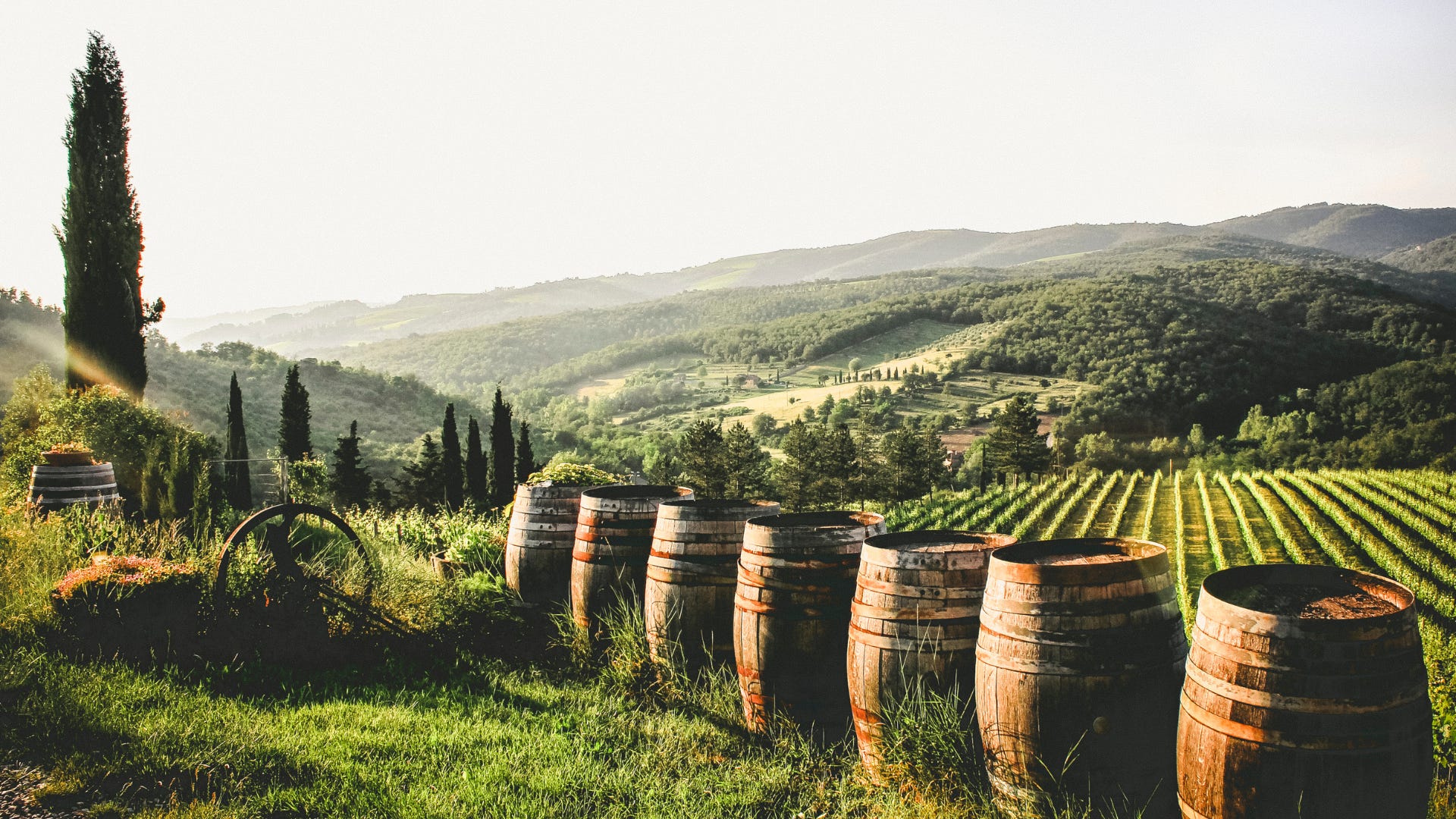
Urla’s commitment to quality has not gone unnoticed. Wines from the region have begun to win awards at international competitions, positioning Urla as a rising star in viticulture. Meanwhile, the establishment of the Urla Vineyard Route (Urla Bağ Yolu) has transformed the area into a destination for wine lovers, complete with boutique wineries, scenic vineyard walks, and gourmet restaurants. Euphemistically referred to as the “Tuscany of Turkey,” Urla has become a sought-after destination for those seeking authentic wine experiences.
Leading Producers
Among the most celebrated names is Urla Winery, known for its commitment to both local and international varietals. Their flagship wines, like “Tempus”, a robust blend of Merlot, Syrah, Cabernet Sauvignon, Cabernet Franc, and Petit Verdot, and “Nero,” combining Nero d’Avola and Urla Karası, showcase the versatility of the region.
USCA Winery takes a poetic approach, naming its wines after Shakespearean sonnets and working closely with French oenologist Antoine Bastide d’Izard to craft refined offerings. Bornova Misketi and Foça Karası feature prominently in their portfolio.
Urlice Vineyards, pioneers of the modern Urla wine movement since 1997, specialize in organic viticulture and oak-aged reds from Cabernet Sauvignon, Merlot, and Syrah. Their vineyard experiences have made them a favorite among visiting wine enthusiasts.
Other notable players include MMG Winery, known for sustainable farming and night harvesting to preserve grape integrity, and HUS Winery, which fuses Turkish and Chilean traditions to produce elegant Syrah and Grenache wines.
Popular Wine Styles
Red blends dominate Urla’s wine scene, often marrying international varieties like Cabernet Sauvignon, Merlot, and Syrah with indigenous grapes such as Boğazkere and Urla Karası. These reds tend to be full-bodied, expressive, and rich in tannins, balanced by fresh acidity.
On the white side, wines crafted from Bornova Misketi, Chardonnay, and Sauvignon Blanc offer crisp, aromatic profiles perfect for the Mediterranean climate. Rosés are also gaining popularity, especially refreshing blends like Urla Winery’s “Serendias Roze,” made from Pinot Noir and Kalecik Karası.
Image Credit: https://phoenicia.travel/images/tours/288152134228155205297.png
_ _ _
© CHURRASCO PHUKET STEAKHOUSE / ALL RIGHTS RESERVED
Reprinting, reposting & sharing allowed, in exchange for a backlink and credits
Churrasco Phuket Steakhouse serves affordable Wagyu and Black Angus steaks and burgers. We are open daily from 12noon to 11pm at Jungceylon Shopping Center in Patong / Phuket.
We are family-friendly and offer free parking and Wi-Fi for guests. See our menus, reserve your table, find our location, and check all guest reviews here:
https://ChurrascoPhuket.com/
#Churrascophuket #jungceylon #phuketsteakhouse #affordablewagyu #wagyu
by lspeed | Aug 24, 2025 | WINES: UNCORKING THE MYSTERY
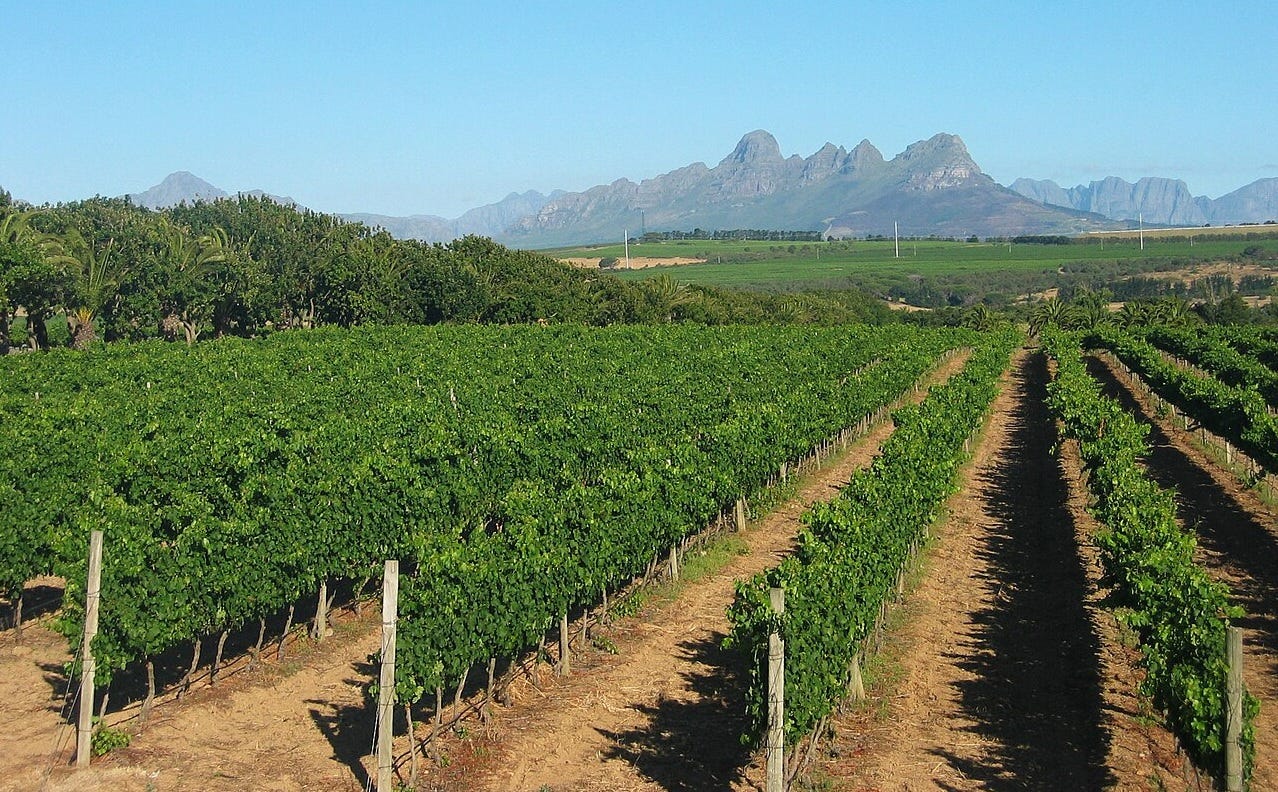
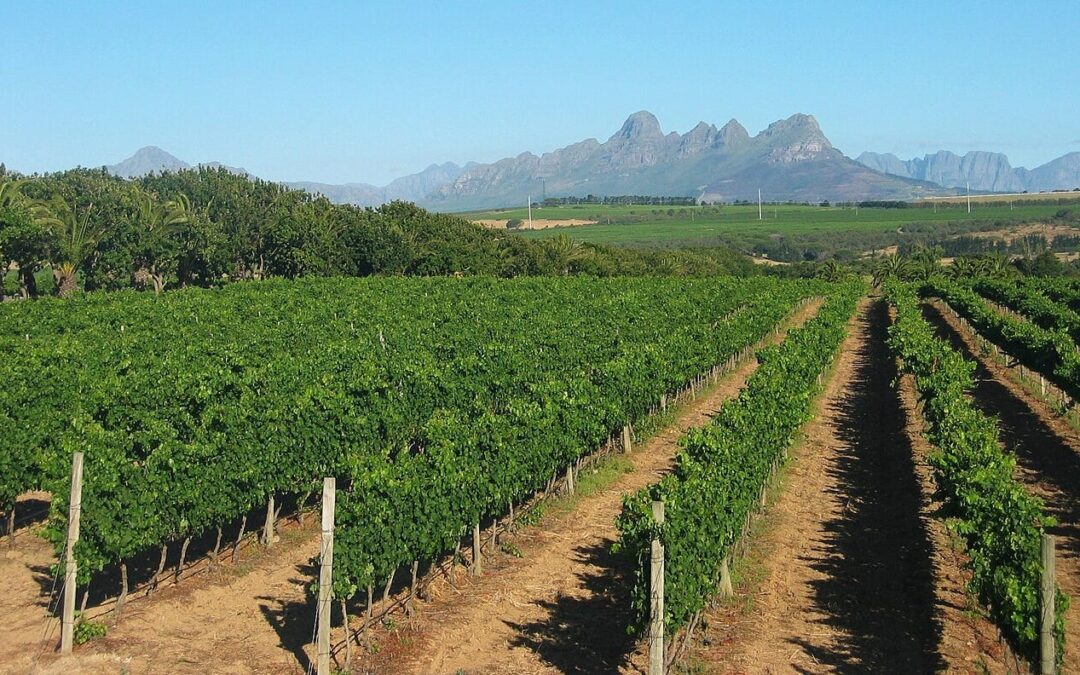
Stellenbosch is arguably South Africa’s commercially most significant wine region. Located just east of Cape Town, it serves as a cornerstone of the country’s wine industry in terms of volume, academic research, and international market recognition. With a mix of maritime influence, varied soils, and a long viticultural history, Stellenbosch is a versatile wine-growing zone capable of producing a wide range of styles.
Historical Background
Viticulture here dates back to the late 17th century, following the arrival of Dutch settlers and subsequently French Huguenots, who brought winemaking knowledge and grapevine cuttings to the Cape Colony. The fertile soils and Mediterranean-style climate made Stellenbosch a suitable location for grape cultivation, and by the 18th century, it had established itself as a key contributor to South African wine production.
Throughout the 19th and 20th centuries, the region saw shifts in vineyard management, production methods, and export strategies, particularly following the formation of the Koöperatieve Wijnbouwers Vereniging (KWV) in 1918, which regulated wine quality and exports. The end of apartheid in the early 1990s opened international markets to South African producers, prompting increased investment and modernization in Stellenbosch’s wine sector.
Grape Varieties and Wine Styles
Stellenbosch’s climate is classified as warm Mediterranean, moderated by Atlantic Ocean breezes from False Bay. This allows for the cultivation of both red and white grapes, although red varietals strongly dominate.
Red Grapes
-
Cabernet Sauvignon: The most planted and commercially important red grape in the region. Often used for varietal wines and blends, particularly in Bordeaux-style combinations.
-
Merlot: Commonly paired with Cabernet Sauvignon to soften blends, or bottled on its own.
-
Shiraz (Syrah): Frequently made in a ripe, full-bodied style; also appears in Rhône-style blends.
-
Pinotage: A uniquely South African grape, developed from a cross between Pinot Noir and Cinsaut. While polarizing in style and reception, it remains a regional staple.
White Grapes
-
Chenin Blanc: Although more associated with regions like Swartland, it is still grown in Stellenbosch and used for both dry and off-dry styles.
-
Sauvignon Blanc: Typically planted in cooler subzones, producing wines with herbal and citrus-driven profiles.
-
Chardonnay: Made in both oaked and unoaked versions, sometimes used in sparkling wines (Cap Classique).
The range of microclimates and soils within Stellenbosch range from granite and shale to sandstone and support the production of both single-varietal wines and complex blends.
Subregions
Stellenbosch is not a monolithic zone; it comprises several wards or subregions, each with distinct characteristics. Notable among these are:
-
Simonsberg-Stellenbosch: Known for structured reds.
-
Jonkershoek Valley: Cooler climate; suitable for Sauvignon Blanc and Cabernet-based wines.
-
Helderberg: Coastal influence; diverse plantings.
-
Bottelary Hills: Often associated with Pinotage and Shiraz.
These subregions allow for differentiated branding and marketing within the greater Stellenbosch designation.
Leading Producers
The region includes a mix of large-scale operations and smaller, privately-owned estates. While it is difficult to definitively rank producers, the following five are widely recognized within the trade for their historical significance, consistent quality, and international distribution:
-
Kanonkop Estate
Known for its long-standing commitment to Pinotage and Bordeaux blends. Family-owned since the early 20th century.
-
Meerlust Estate
One of the first to label a Bordeaux-style blend as “Rubicon,” which became a flagship South African wine.
-
Rust en Vrede
Focused almost exclusively on red wine. Frequently cited for its Shiraz and Cabernet Sauvignon.
-
Warwick Estate
Known for its trilogy of Bordeaux-style blends and experimentation with single-varietal expressions.
-
Spier Wines
One of the region’s oldest wine farms, combining large-scale production with a sustainability focus.
These producers vary in scale, but all have built international reputations based on consistent branding and quality.
Export Markets and Global Reception
Stellenbosch plays a central role in South Africa’s wine exports. Key markets include the United Kingdom, Netherlands, Germany, the United States, and China. The wines are often priced competitively compared to similar quality offerings from Europe and the New World, making them appealing to both on-trade and off-trade buyers.
Reception in global markets has generally been positive, especially in blind tastings where Stellenbosch reds frequently perform well. Cabernet Sauvignon and Bordeaux-style blends are the most likely to appear on international wine lists, while Sauvignon Blanc and Chenin Blanc hold appeal in retail environments.
Despite its relative success, the region still faces challenges such as currency fluctuation, vintage variation due to droughts, and residual perception issues in some markets tied to its apartheid-era legacy. Nonetheless, Stellenbosch remains one of South Africa’s most internationally visible appellations.
Image Credit: https://wikipedia.org
_ _ _
© CHURRASCO PHUKET STEAKHOUSE / ALL RIGHTS RESERVED
Reprinting, reposting & sharing allowed, in exchange for a backlink and credits
Churrasco Phuket Steakhouse serves affordable Wagyu and Black Angus steaks and burgers. We are open daily from 12noon to 11pm at Jungceylon Shopping Center in Patong / Phuket.
We are family-friendly and offer free parking and Wi-Fi for guests. See our menus, reserve your table, find our location, and check all guest reviews here:
https://ChurrascoPhuket.com/
#Churrascophuket #jungceylon #phuketsteakhouse #affordablewagyu #wagyu
by Ross Kingsley | Aug 10, 2025 | WINES: UNCORKING THE MYSTERY
Biodynamic wine is more than just a buzzword; it represents a philosophy rooted in a harmonious relationship between the vineyard and its environment. This method extends beyond organic practices, incorporating holistic farming techniques based on the principles of Austrian philosopher Rudolf Steiner, who introduced biodynamics in the 1920s.
What Does Biodynamic Mean?
Biodynamic farming treats the vineyard as a living organism. It emphasizes soil health, biodiversity, and ecological balance. Practitioners follow a unique lunar and astrological calendar to guide planting, pruning, and harvesting. Preparations like cow horn manure (preparation 500) and silica sprays are used to enhance soil fertility and vine vitality.
A Brief History
Steiner’s ideas emerged during a period of agricultural decline, offering an alternative that emphasized sustainability and spirituality. The Demeter Association, founded in 1928, became the certifying body for biodynamic products, including wines. Over time, these principles gained traction among winemakers seeking sustainable and terroir-driven practices.
Adoption and Leading Producers
Biodynamic winemaking has found a dedicated following, especially in Europe. Prestigious estates like Domaine de la Romanée-Conti (France), Domaine Zind-Humbrecht (Alsace), and Austria’s Nikolaihof lead the charge. In the New World, wineries like California’s Benziger Family Winery and Chile’s Emiliana showcase biodynamic excellence.
Consumer Acceptance and Market Growth
Initially met with skepticism, biodynamic wines are now celebrated for their purity, complexity, and expression of terroir. While certification adds credibility, many wineries practice biodynamics without formal labels. Consumer demand for sustainable and ethical products has further boosted their popularity.
Why Biodynamic Wines Matter
As climate change and environmental concerns grow, biodynamic wines offer a pathway to sustainable viticulture. Their rising acceptance among connoisseurs and casual drinkers alike underscores their appeal—a marriage of quality, tradition, and ecological mindfulness.
Image Credit:
Home
_ _ _
© CHURRASCO PHUKET STEAKHOUSE / ALL RIGHTS RESERVED
>>> Reprinting, reposting & sharing allowed, in exchange for a backlink and credits <<<
Churrasco Phuket Steakhouse serves affordable Wagyu and Black Angus steaks and burgers. We are open daily from 12noon to 11pm at Jungceylon Shopping Center in Patong / Phuket.
We are family-friendly and offer free parking and Wi-Fi for guests. See our menus, reserve your table, find our location, and check all reviews here:
https://ChurrascoPhuket.com/
#Churrascophuket #jungceylon #phuketsteakhouse #affordablewagyu #wagyu
by lspeed | Jul 27, 2025 | WINES: UNCORKING THE MYSTERY
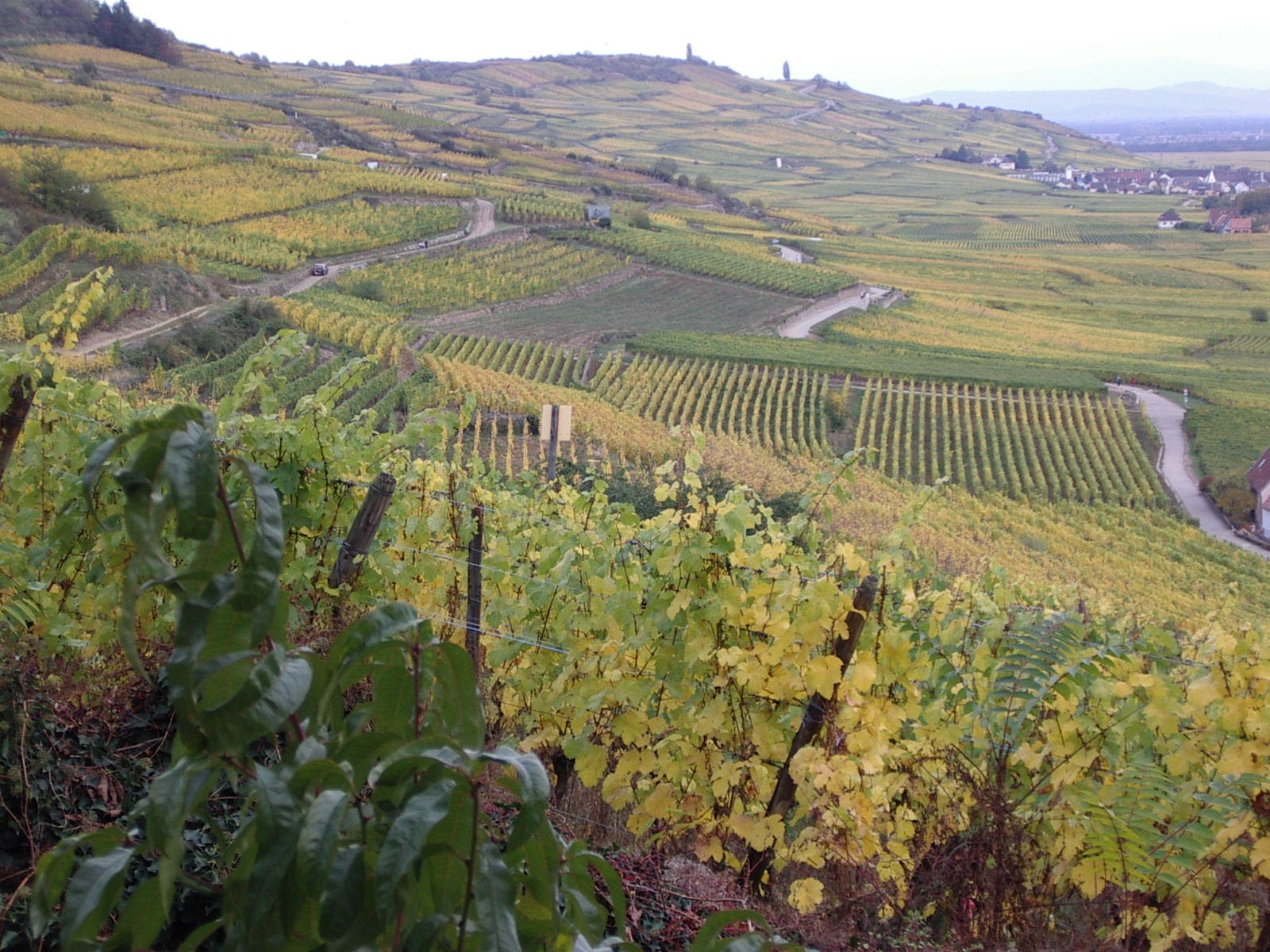
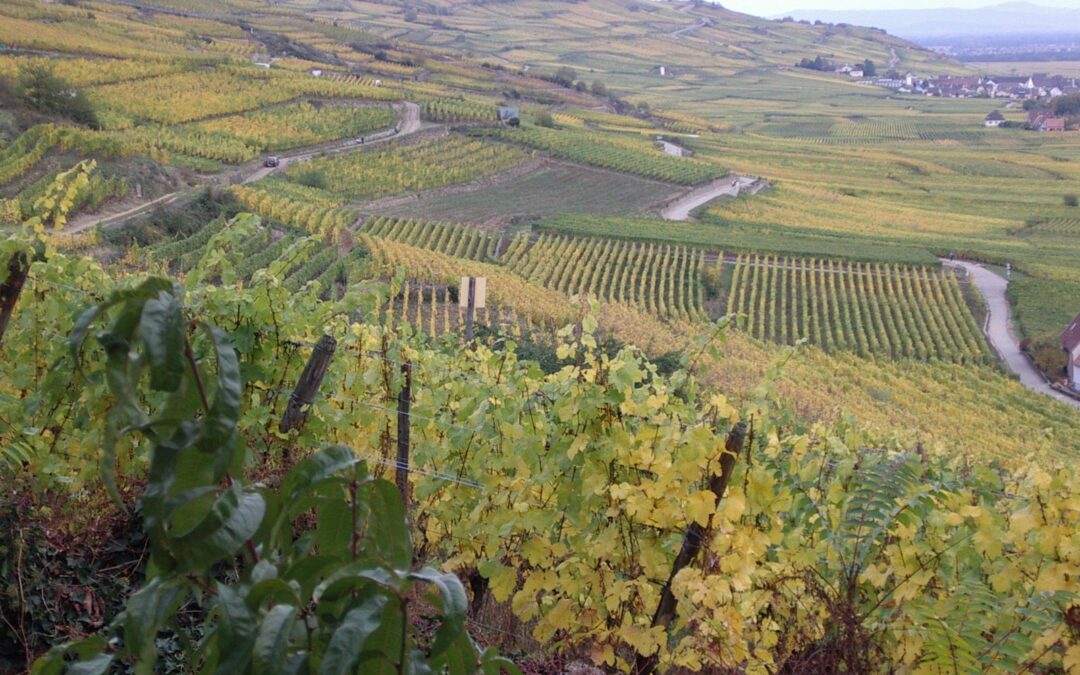
Tucked between the Vosges Mountains and the German border, Alsace is one of France’s distinctive yet underappreciated wine regions. Its wines are shaped by centuries of cultural tug-of-war and a unique geological patchwork, and offer some some of Europe’s more expressive whites. From dry Rieslings to opulent Gewürztraminers, Alsace is a white wine lover’s destination. Witha few reds and sparkling surprises thrown in.
Turbulent History
Alsace’s winemaking history dates back to Roman times, but its modern identity has been shaped by a long series of bloody French-German conflicts. The region changed hands five times between 1871 and 1945, and you can taste that dual heritage in the wines. Think French precision meets German grape varieties.
Unlike most French wine regions, Alsace labels its bottles by grape variety, a practice more common in Germany or the New World. The Germanic influence also explains the prevalence of Riesling, Gewürztraminer, and Sylvaner, though the wines are typically drier than their German counterparts. Alsace’s location on the eastern slopes of the Vosges shelters the vineyards from rain, making it one of France’s driest regions, and ideal for ripe, concentrated wines.
Grape Varieties
Alsace is overwhelmingly a white wine region. Its noble grapes (Riesling, Gewürztraminer, Pinot Gris, and Muscat) form the backbone of both still wines and prestigious Grand Cru bottlings. Here’s a quick breakdown of key varieties:
-
Riesling: Dry, mineral-driven, and built for aging.
-
Gewürztraminer: Spicy, floral, and exotic.
-
Pinot Gris: Richer than its Italian cousin, often off-dry.
-
Muscat: Fragrant and dry, making it a great aperitif.
-
Pinot Blanc: Fresh, light-bodied, used in Crémant d’Alsace sparkling wines.
-
Sylvaner: Less common, but capable of crisp whites when grown on good terroir.
-
Pinot Noir: The only permitted red grape, producing light, cherry-scented reds.
As mentioned, Alsace produces Crémant d’Alsace, a sparkling wine made in the traditional method, which accounts for more than 20% of regional production.
Characteristic Terroir
What sets Alsace apart is its mosaic of soils. Granite, limestone, clay, schist, and volcanic sediments all exist in close proximity, giving producers endless options for matching grape to ground. The region’s long growing season allows for slow ripening, leading to powerful aromatics and high natural acidity. Most wines are made dry, though late-harvest styles like Vendanges Tardives (VT) and Sélection de Grains Nobles (SGN) offer luscious, dessert-worthy richness.
Top Producers
While Alsace is dotted with small family domaines, several producers have earned international recognition for their consistency and character:
-
Domaine Zind-Humbrecht – Biodynamic pioneer with powerful, age-worthy wines.
-
Trimbach – Known for dry, precise Rieslings like the iconic Clos Ste. Hune.
-
Domaine Weinbach – Elegant, perfumed wines from the Clos des Capucins estate.
-
Hugel & Fils – One of the oldest and most widely distributed Alsace producers.
-
Albert Boxler – Artisan wines from the village of Niedermorschwihr.
-
Marcel Deiss – Advocates of terroir-based non-interventionist practices.
-
Dirler-Cadé – Biodynamic wines with a light touch.
-
Ostertag – Known expressive whites, and gentle oak use.
Fun Facts
-
Bottle Shape: Alsace wines come in tall, slender flûte d’Alsace bottles by law.
-
Grand Crus: There are 51 officially recognized Grand Cru vineyard sites, though some producers opt out of the system to maintain stylistic independence.
-
Food Pairings: Alsace wines are food-friendly. Try Gewürztraminer with Thai curry, Riesling with pork belly, or Pinot Gris with Foie Gras.
-
Organic Leadership: A higher percentage of Alsace vineyards are organic or biodynamic than in most French regions.
-
Wine Route: The Route des Vins d’Alsace, one of France’s oldest wine trails, winds through 170 km of vineyards, villages, and medieval castles.
Image Credit: https://wikipedia.org
_ _ _
© CHURRASCO PHUKET STEAKHOUSE / ALL RIGHTS RESERVED
Reprinting, reposting & sharing allowed, in exchange for a backlink and credits
Churrasco Phuket Steakhouse serves affordable Wagyu and Black Angus steaks and burgers. We are open daily from 12noon to 11pm at Jungceylon Shopping Center in Patong / Phuket.
We are family-friendly and offer free parking and Wi-Fi for guests. See our menus, reserve your table, find our location, and check all guest reviews here:
https://ChurrascoPhuket.com/
#Churrascophuket #jungceylon #phuketsteakhouse #affordablewagyu #wagyu
by lspeed | Jul 13, 2025 | WINES: UNCORKING THE MYSTERY
While Tequila and Mezcal are the undisputed flag bearers of Mexican alcoholic fame, few outside the wine world realize that Mexico has been making wine longer than any other country in the Americas. Lately, Mexican wines seem to be experiencing somewhat of a renaissance – international awards, occasional appearances on dining menus, and teasing the interest of adventurous wine lovers.
Colonial Legacy
The story begins in the early 16th century, when Spanish conquistadors and missionaries brought Vitis vinifera vines to New Spain. The first vineyards were planted around 1524 in what is now Hidalgo, and by the late 1500s, production had spread to other regions including Coahuila and Baja California. So successful was the local wine industry that King Philip II of Spain eventually banned further vineyard planting in 1595 to protect Spanish exports—a prohibition that lasted for centuries.
Despite this setback, monastic orders and local settlers kept the tradition alive, especially in northern regions. Commercial production only regained real momentum in the late 19th and 20th centuries, but it wasn’t until the 1990s and 2000s that a true quality revolution began. Today, Mexico’s wines are attracting global attention for their boldness, character, and sense of place.
Key Wine Regions
The heart of Mexican wine production lies in Baja California, especially the Valle de Guadalupe, often referred to as “Mexico’s Napa Valley.” With a Mediterranean climate, oceanic breezes, and granite soils, it offers ideal conditions for viticulture. Over 70% of Mexico’s wine comes from this region. Other emerging wine regions include:
-
Coahuila (home to Casa Madero, the oldest winery in the Americas, founded in 1597)
-
Querétaro, known for sparkling wines and higher-altitude vineyards
-
Zacatecas, Aguascalientes, and parts of Sonora, where modern wineries are exploring new terroirs
Grape Varieties
Mexico does not limit itself to one signature grape. Instead, it embraces a broad portfolio of international and lesser-known varieties.
Red grapes dominate:
-
Cabernet Sauvignon – widely planted
-
Tempranillo – a nod to Spanish heritage
-
Nebbiolo – producing robust wines, distinct from its Italian counterpart
-
Grenache, Merlot, Malbec, Syrah, Zinfandel – common and often blended
Whites are fewer:
Wineries in Baja often practice creative blending, unconstrained by European appellation rules, which adds to the region’s experimental flair.
Wine Styles
Mexican wines tend to be ripe, bold, and expressive, thanks to the warm climate and intense sunlight. Oak aging is common, especially for reds, lending flavors of spice, chocolate, and smoke.
Popular wine styles include:
-
Full-bodied reds: Particularly blends of Cabernet, Syrah, and Nebbiolo
-
Crisp whites: Especially from higher-altitude vineyards in Querétaro
-
Rosés: Increasingly trendy among younger consumers
-
Sparkling wines: Produced mainly in Querétaro, often via the traditional method
-
Natural and orange wines: A niche but growing trend in small-scale boutique wineries
Noteworthy Producers
Several wineries have spearheaded Mexico’s rise on the global wine scene:
-
Casa Madero (Coahuila): The oldest operating winery in the Americas, offering a wide portfolio of well-regarded wines.
-
Monte Xanic (Valle de Guadalupe): A pioneering premium winery, known for its bold reds and crisp whites.
-
L.A. Cetto (Baja California): One of the largest and most accessible producers, widely exported.
-
Santo Tomás: Historic winery with a legacy dating back to 1888.
-
Vena Cava and Adobe Guadalupe: Boutique producers focusing on artisanal quality and unique blends.
-
Freixenet México (Querétaro): A major sparkling wine producer with international ties.
These wineries blend traditional and modern techniques, with many using sustainable practices and small-batch fermentation to express terroir.
International Recognition
Though still relatively niche globally, Mexican wines are gaining attention. In the past decade, wines from Baja California and Coahuila have won medals at international competitions such as Concours Mondial de Bruxelles and Decanter World Wine Awards.
Distribution is expanding too—especially in the U.S., Canada, and select European and Asian markets. Mexican wines are increasingly featured in starred restaurants and high-end wine shops, especially in cities like Los Angeles, New York, Tokyo, and London.
Challenges & Opportunities
Mexico’s wine industry still faces hurdles – water scarcity in Baja California, limited government support, high production costs, and competition with imported wines. But opportunities abound in wine tourism with Valle de Guadalupe becoming a destination with boutique hotels, farm-to-table restaurants, and harvest festivals drawing both domestic and international visitors.
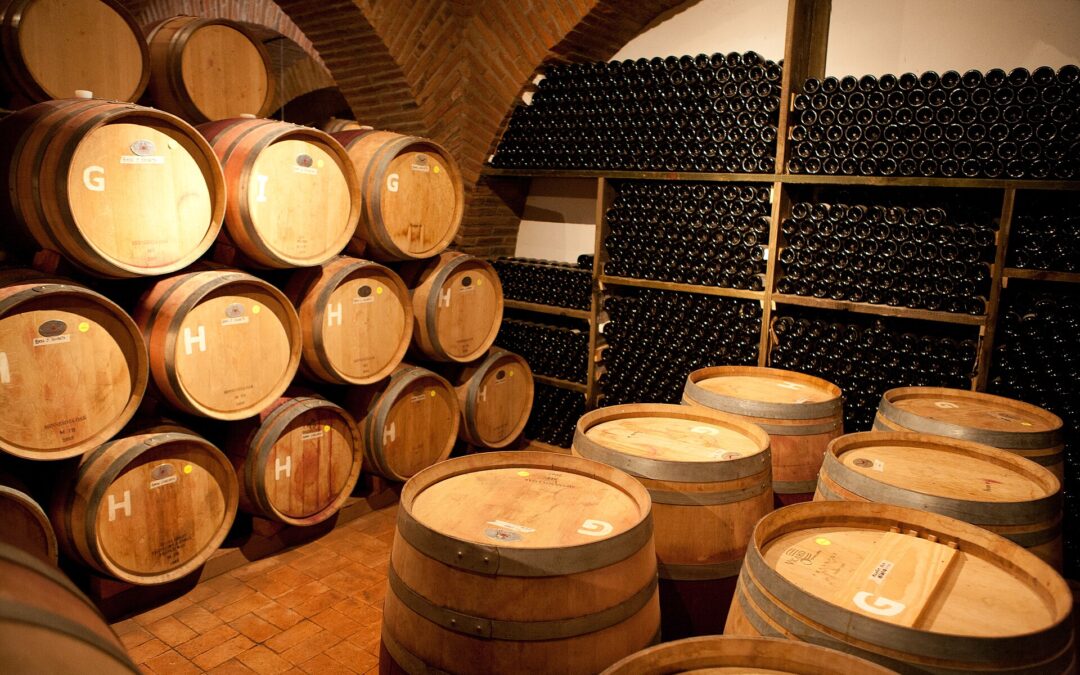
Image Credit: Adobe Guadalupe Winery, Ensenada, Baja California / Mexico
_ _ _
© CHURRASCO PHUKET STEAKHOUSE / ALL RIGHTS RESERVED
Reprinting, reposting & sharing allowed, in exchange for a backlink and credits
Churrasco Phuket Steakhouse serves affordable Wagyu and Black Angus steaks and burgers. We are open daily from 12noon to 11pm at Jungceylon Shopping Center in Patong / Phuket.
We are family-friendly and offer free parking and Wi-Fi for guests. See our menus, reserve your table, find our location, and check all guest reviews here:
https://ChurrascoPhuket.com/
#Churrascophuket #jungceylon #phuketsteakhouse #affordablewagyu #wagyu