by lspeed | Jul 13, 2025 | RESTAURANT BUSINESS: BEHIND THE KITCHEN DOOR
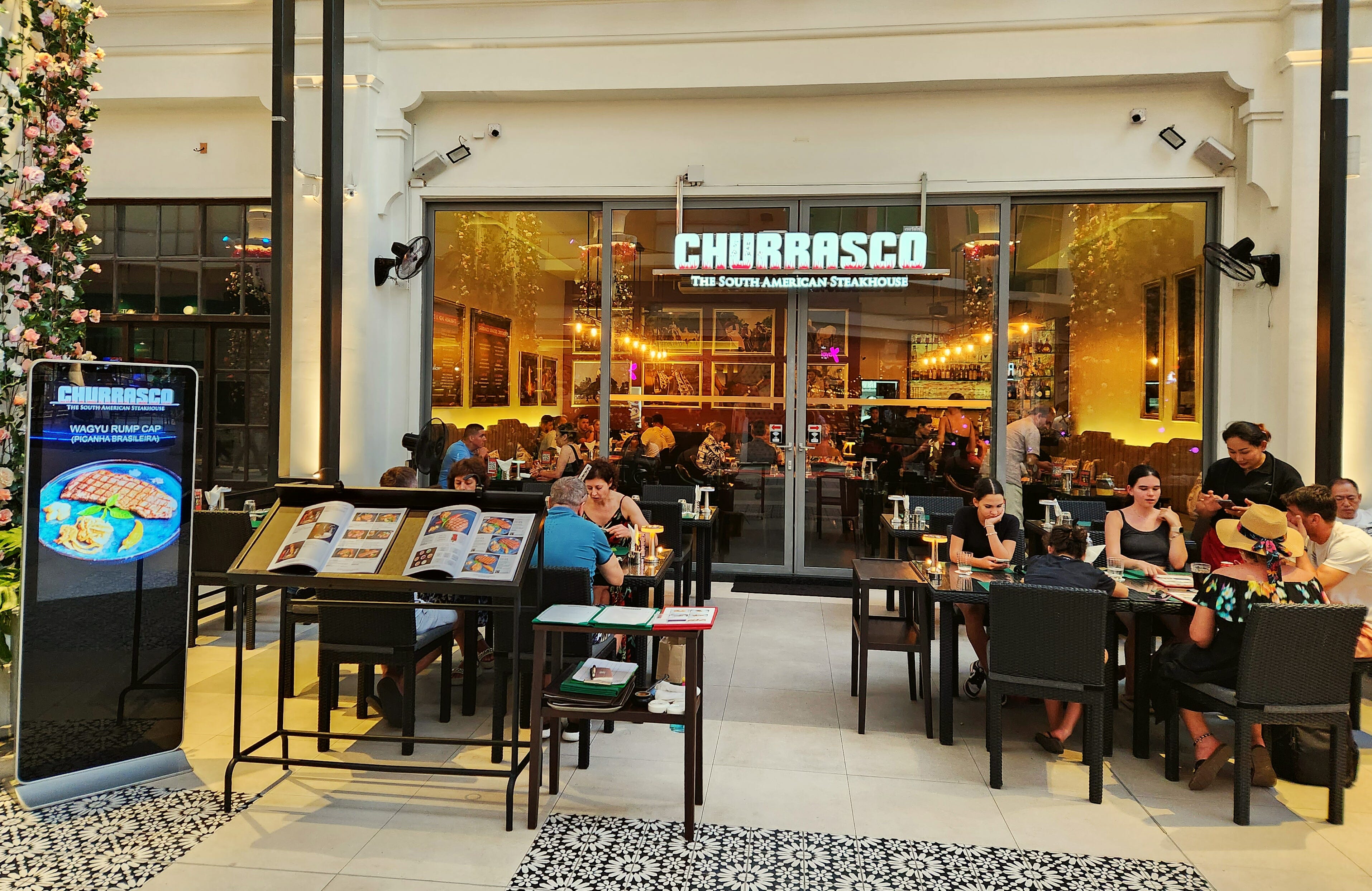
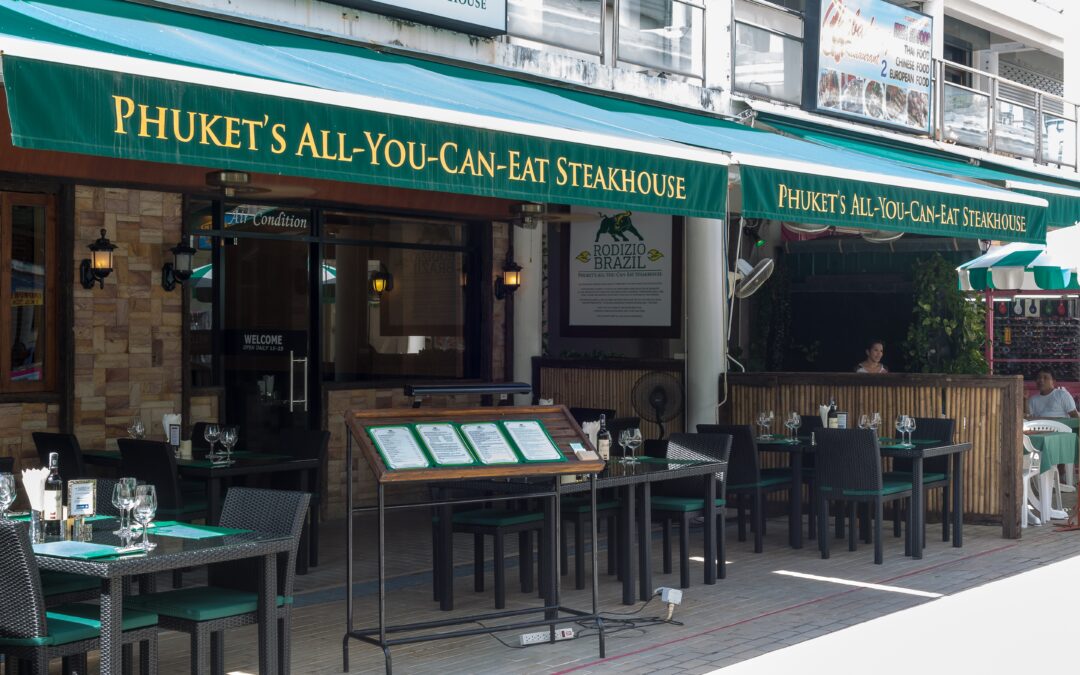
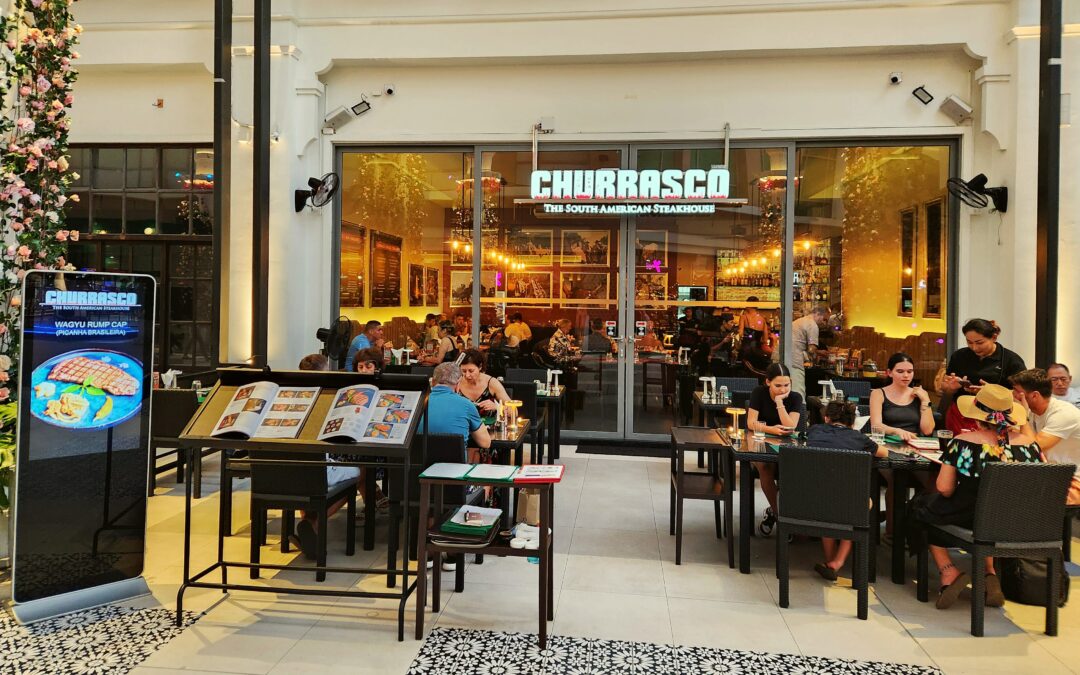
When it comes to steakhouses, some crave the polish of a classic à la carte steakhouse, as presented by Churrasco Phuket Steakhouse, while others are drawn to the energy and abundance of a rodizio-style churrascaria. But behind the scenes, for restaurant owners and operators, the decision between these two formats is about much more than aesthetics or ambiance.
Each model has its own operational demands, cost structures, and profit potential. Choosing the right one means balancing guest expectations with kitchen efficiency, labour management, and long-term financial viability. Here’s a breakdown — not just from the guest’s side, but also from the business owner’s perspective.
À La Carte Steakhouse: Premium Product, Precision Service
In an à la carte steakhouse, guests choose exactly what they want – their preferred cut, weight, and doneness. Sides, sauces, and extras are all ordered separately. This format emphasizes control and customization.
Advantages for Guests
Full Customization: Perfect for diners who know what they want and expect it done just right.
Perceived Prestige: High-end cuts, fine wines, and elegant plating appeal to business dinners and special occasions.
Quiet, Focused Experience: Often chosen for its more refined and intimate environment.
Advantages for Owners
Higher Margin: Premium beef cuts come at a cost, but when paired with up-charged sides, sauces, and drinks, margins can be strong.
Inventory Control: Easier to forecast and portion since everything is ordered individually and prepped per item.
Brand Identity: Easier to build a premium or fine-dining brand around the à la carte model.
Challenges for Owners
High Labor Costs: Skilled grill chefs, trained waitstaff, and a larger front-of-house team are essential for quality and service consistency.
Wastage Risk: Unsold perishable cuts, especially expensive ones like Wagyu or dry-aged beef, can lead to loss if not managed tightly.
Limited Table Turnover: Dining is slower-paced, which can reduce how many covers are served in a night — especially if guests linger.
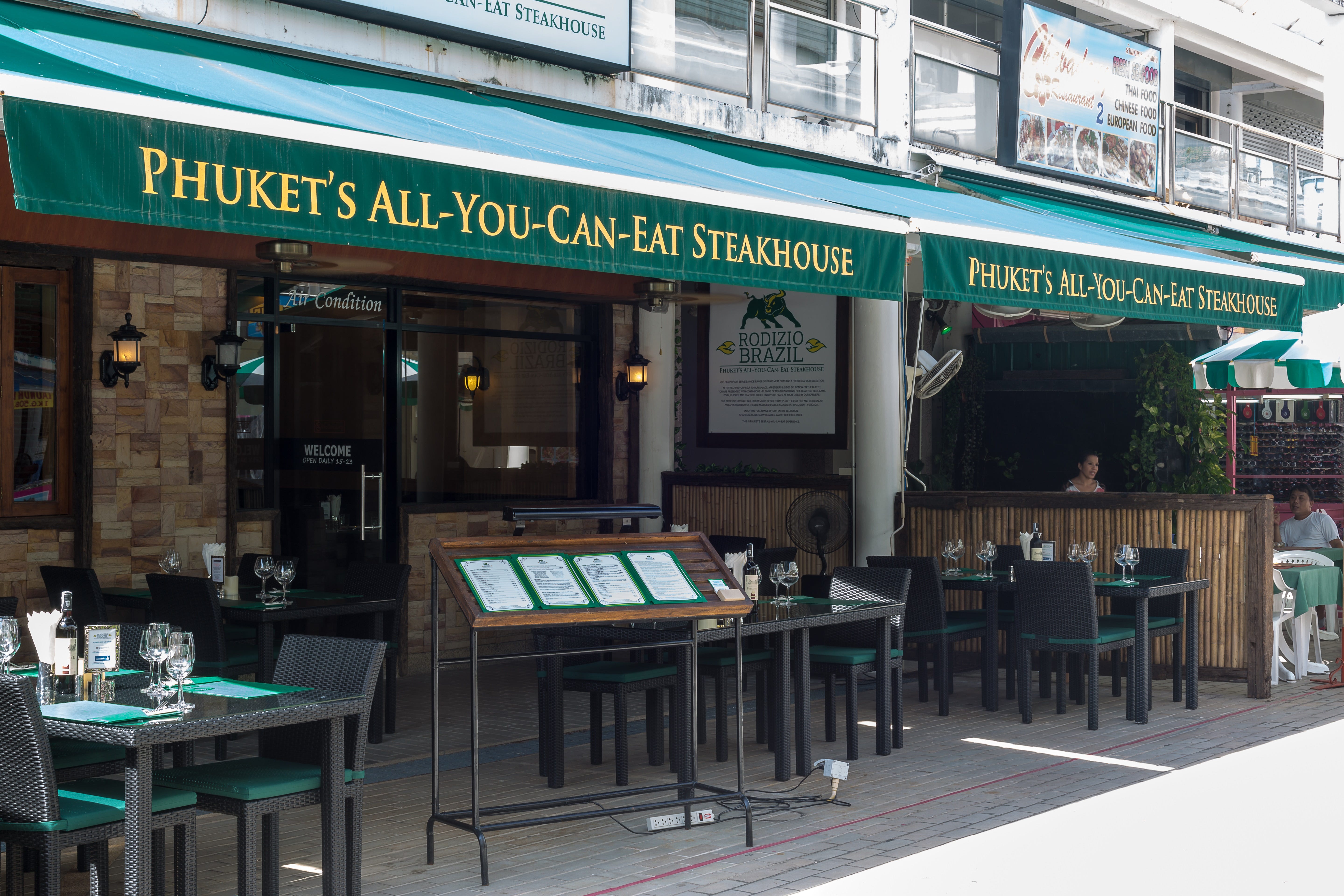
Rodizio-Style Churrascaria: Volume, Theatre, Controlled Chaos
Rodizio restaurants offer a fixed-price, all-you-can-eat feast where servers move from table to table slicing grilled meats straight off skewers. It’s lively, interactive, and built for abundance.
Advantages for Guests
Variety: A parade of meats — from picanha and lamb to chicken hearts and ribs — allows exploration without decision fatigue.
Set Pricing: No surprises at the end of the meal, which appeals to groups and budget-conscious diners.
Entertaining Experience: Tableside carving, shared energy, and generous sides create a festive, social environment.
Advantages for Owners
High Volume, Predictable Sales: Fixed pricing means consistent revenue per guest. High turnover and group appeal can drive up total sales.
Centralized Prep: Instead of dozens of different à la carte dishes, the kitchen focuses on bulk preparation of skewered meats and buffet-style sides.
Lower Front-of-House Labor: Passador servers manage most of the guest interaction, reducing the need for traditional table service staff.
Challenges for Owners
Meat Cost Management: Offering unlimited meat means balancing cost with portion control — trimming waste and monitoring consumption closely is key.
Operational Complexity: Maintaining dozens of skewers at precise temperatures and rotation timing can be a logistical juggle.
Difficult to Upsell: With everything included, it’s harder to drive up average spend unless drinks or desserts are successfully promoted.
Which Is More Profitable?
That depends heavily on location, pricing strategy, and target market.
À la carte restaurants can command higher per-person spend, especially if they lean into luxury beef cuts, premium wines, and fine dining ambiance. However, overheads — staffing, rent (for upscale areas), and ingredient cost are also high. Rodizio models rely more on volume and efficient food cost management. If meat is sourced strategically and labor is streamlined, margins can be excellent, particularly in tourist-heavy or family-oriented areas where the concept has broad appeal. In some cases, a rodizio can outperform à la carte in sheer cash flow due to higher guest throughput and set pricing. But for long-term brand building, à la carte offers more flexibility and prestige positioning.
Which Is Easier to Operate?
Again, it’s a trade-off. Rodizio kitchens focus on repetition and rhythm. Once the skewer system is in place, the process becomes about timing and consistency. Labor can be more standardized, and table service is simplified. À la carte demands culinary finesse and front-of-house coordination. Every steak is cooked to a specific order, timing matters, and guest expectations are high. Training and experience are more critical. In general, rodizio is operationally simpler once the workflow is established, but à la carte offers more adaptability in pricing, portions, and specials — which can help with food cost optimization.
Other Factors to Consider as an Owner
Market Expectations: In high-income urban areas, à la carte may better match expectations. In resort towns or family-heavy markets, rodizio can shine.
Space Requirements: Rodizio often needs a large dining area and grilling infrastructure. À la carte can work in smaller, more intimate spaces.
Licensing & Food Safety: Rodizio’s tableside service and buffet setups may require stricter hygiene protocols, depending on local laws.
Staff Availability: If skilled chefs or experienced waiters are hard to find, rodizio’s format may be more sustainable in the long run.
The Choice
Making the call between à la carte and rodizio isn’t just about what’s on the plate, it’s about what goes on behind the scenes and on the balance sheet. Rodizio promises efficiency, volume, and theatre — a concept that works best where fun, generosity, and crowd appeal matter. À la carte is slower, more calculated, and often more prestigious — ideal for building a premium brand and delivering exacting quality.
Image Credit: https://insider.churrascophuket.com
_ _ _
© CHURRASCO PHUKET STEAKHOUSE / ALL RIGHTS RESERVED
Reprinting, reposting & sharing allowed, in exchange for a backlink and credits
Churrasco Phuket Steakhouse serves affordable Wagyu and Black Angus steaks and burgers. We are open daily from 12noon to 11pm at Jungceylon Shopping Center in Patong / Phuket.
We are family-friendly and offer free parking and Wi-Fi for guests. See our menus, reserve your table, find our location, and check all guest reviews here:
https://ChurrascoPhuket.com/
#Churrascophuket #jungceylon #phuketsteakhouse #affordablewagyu #wagyu
by lspeed | Jun 15, 2025 | RESTAURANT BUSINESS: BEHIND THE KITCHEN DOOR
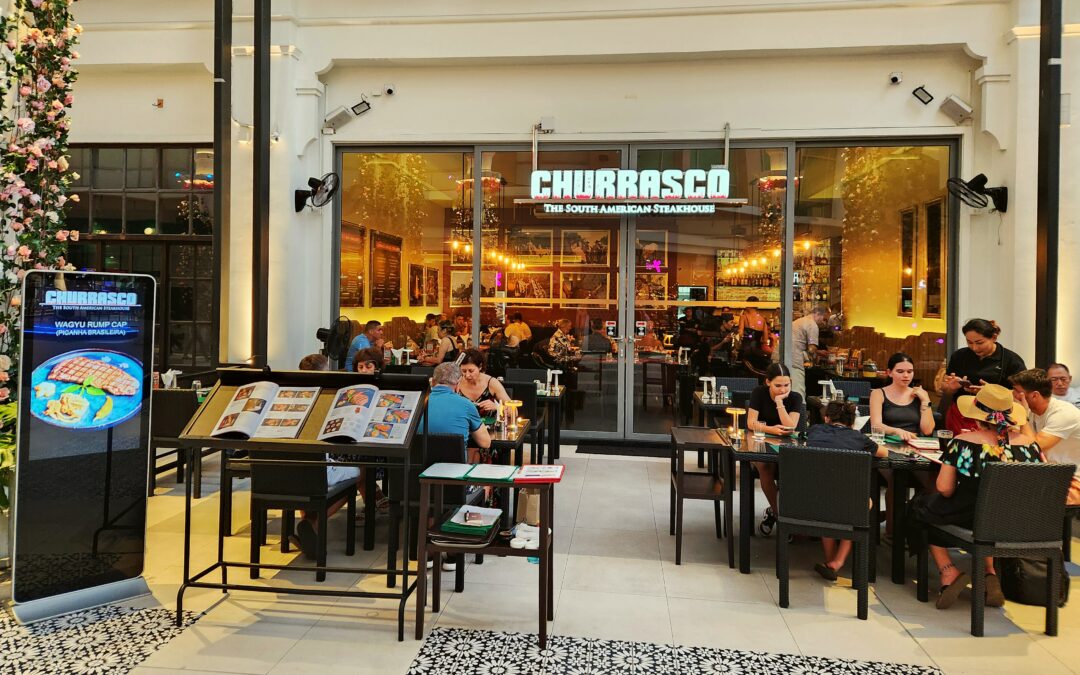
When launching a restaurant, people obsess over menus, branding, chef talent, and interior design. And while all of these elements matter, there’s one decision that quietly looms – location. The wrong address can sink a promising concept before the first dish hits the table. The right one can carry even an average operation into some profitability.
While not a panacea for shortcoming elsewhere in the operation, the real estate cliché of “location, location, location” applies ruthlessly to restaurants. Food can be tweaked, service can be trained, and decor can be updated. But move into the wrong part of town, and you might never get the volume needed to survive.
Accessibility
At the most basic level, a restaurant needs to be reachable. It sounds obvious, but many newcomers to the industry fall in love with a charming space only to discover that it’s far from their target audience, or practically impossible to access during peak hours.
Ideally, your location should be well-connected to main roads, public transport hubs, or high-foot-traffic areas. A great chef won’t make up for the frustration of circling the block ten times or trekking down unlit alleyways. Whether you’re targeting office workers, weekend brunch crowds, or evening diners, the easier you are to reach, the more likely people are to return.
Parking
Ask any seasoned restaurateur about common customer complaints, and you’ll hear the common theme of parking. Even in cities with strong public transit, many diners prefer the convenience of driving. If they can’t park nearby, they’ll go elsewhere.
If your dream space doesn’t offer parking, you’ll need to get creative. Are there public lots within walking distance? Can you strike a deal with a neighboring business for evening use of their parking area? Is valet service a feasible add-on? Losing customers before they even step through the door because of parking quietly drains your numbers over time.
Visibility
Visibility often determines whether you attract casual walk-ins, tourists, or impulse diners. A tucked-away gem can work eventually, but only after word-of-mouth builds and your reputation does the heavy lifting. If you’re new to the market or working without a big marketing budget, this approach is very risky.
That’s why locations in malls, near intersections, shopping districts, or popular gathering spots carry so much value. They put your signage, your lighting, and your façade to work. People notice you even if they’re not looking for you. Over time, that passive exposure becomes name recognition, and that leads to visits.
The Lease
Many restaurateurs underestimate the role of lease terms in long-term viability. A space might be ideal today, but if your lease is short, restrictive, or subject to sudden rent increases, your stability evaporates. A restaurant needs time to find its rhythm. Opening buzz might fill seats for a few weeks, but building a loyal customer base, refining operations, and achieving consistent margins takes months – often years.
A long-term lease with clear renewal options gives you breathing room. It also makes it easier to invest in the space, whether that’s a new kitchen layout, outdoor seating, or custom décor. You’re not just renting space; you’re establishing a base of operations. The more stable your location, the more confidently you can plan.
Know Your Audience
A sleek cocktail bar will not thrive next to a high school. A vegan café struggles in a warehouse district full of late-night meat lovers. Know your audience, then choose a location that meets them where they already are, or where they’re happy to go. A poor location will almost certainly limit your potential. Location decisions require pragmatism, not just passion or dreams. It’s about traffic patterns, walkability, nearby competitors, and lease flexibility. Most of all, it’s about setting your business up for long-term relevance.
Consider the Future
Today’s bustling corner could be tomorrow’s construction site. Likewise, a quiet side street today might be the center of a major residential boom in five years. When evaluating a potential location, don’t just look at the present. Study city plans, development projects, and demographic trends. Is the area growing? Changing? Getting safer or riskier?
Talk to nearby business owners. Walk the block during different times of day. What seems promising in daylight might feel isolated after dark. Conversely, an unassuming store front could be gold if it sits beside a soon-to-open office tower or luxury condo development. Don’t just think about where your customers are now. Think about where they’ll be.
Choose your location like your future depends on it. Because in this industry, it does.
Image Credit: https://churrascophuket.com
_ _ _
© CHURRASCO PHUKET STEAKHOUSE / ALL RIGHTS RESERVED
Reprinting, reposting & sharing allowed, in exchange for a backlink and credits
Churrasco Phuket Steakhouse serves affordable Wagyu and Black Angus steaks and burgers. We are open daily from 12noon to 11pm at Jungceylon Shopping Center in Patong / Phuket.
We are family-friendly and offer free parking and Wi-Fi for guests. See our menus, reserve your table, find our location, and check all guest reviews here:
https://ChurrascoPhuket.com/
#Churrascophuket #jungceylon #phuketsteakhouse #affordablewagyu #wagyu

by Ross Kingsley | Jun 1, 2025 | RESTAURANT BUSINESS: BEHIND THE KITCHEN DOOR
First impressions are everything, not only in the world of hospitality. Remember that while outstanding food and a well-designed spaces are important, how guests are welcomed can be a difference between a one-time visit and a loyal customer. The greeting a guest receives upon entering (and leaving) your restaurant sets the tone for their entire experience.
Guest Welcomes Are Crucial
A guest’s dining journey begins the moment they walk through the door, not when they taste the first bite of food. Studies show that strong customer service influences not only repeat business but also positive word-of-mouth marketing. According to hospitality research, 68% of customers say they are willing to spend more at establishments known for good service, while poor initial interactions have caused 78% of customers to back out of purchases altogether. Welcoming a guest warmly communicates that they are valued. It instantly forms a connection that can make the difference between a guest feeling like just another number or feeling like a cherished visitor.
Effective Greeting Techniques
When greeting guests, authenticity matters. Avoid overly scripted phrases that can sound mechanical. A simple “Good evening, welcome to [Restaurant Name]” with a genuine smile goes much further than a rehearsed line. Other natural greetings include:
-
“Thanks for joining us tonight, I’m [Name].”
-
“Good to see you, hope you’re having a great day!”
Making eye contact, standing tall with relaxed posture, and offering a warm tone of voice are all small but powerful signals that say, “We’re glad you’re here.”
Personal Touches
After the initial greeting, a little small talk can build rapport. Simple questions about the day, the weather, or special plans help humanize the interaction. For example:
For returning guests, recognizing them and referencing previous visits elevates the experience: “Welcome back! Will it be the usual table today?” Personal recognition makes guests feel seen and appreciated, enhancing loyalty.
Compliments and Directional Greetings
Sincere compliments can also set a positive tone—mentioning a guest’s outfit, a cheerful attitude, or anything genuine you notice. Directional greetings, meanwhile, help guests feel looked after right away. For example:
Immediate, confident guidance helps guests settle in quickly, creating a seamless entry into the dining experience.
The Key Ingredients Beyond Words
Welcoming guests effectively goes beyond words alone. Appearance, timing, and body language are equally critical:
-
Dress Code: Staff should always maintain a clean, professional appearance. First impressions are visual as much as verbal.
-
Promptness: Guests should be greeted within moments of entering. Delays create unease and the sense of being overlooked.
-
Body Language: Positive body language—eye contact, open posture, and friendly gestures—speaks volumes. Avoid crossed arms, lack of acknowledgment, or distracted behavior.
Training teams to be aware of these nonverbal cues ensures a more consistent and pleasant welcoming experience.
Don’t Forget the Goodbye
While much emphasis is placed on the first greeting, the way guests are bid farewell is just as important. A warm, genuine goodbye leaves a lasting final impression. Simple phrases like “Thank you for coming,” “We hope to see you again soon,” or “Safe travels!” help close the experience on a positive note. In Japanese restaurants, this practice is treated with utmost importance. Staff often line up to bow and thank guests loudly and warmly as they leave, signaling deep respect and appreciation. It’s not just tradition—it reinforces the guest’s value and encourages repeat visits. A thoughtful goodbye is a small gesture that costs nothing but pays dividends in guest loyalty.
The Big Picture
A welcoming atmosphere does not stop at the door. It extends through every interaction, from table service to payment. Establishing a culture where every guest is treated with genuine hospitality is essential. It’s not just about formal etiquette but about fostering a natural spirit of warmth, attentiveness, and care.
In an industry where competition is fierce and online reviews carry significant weight, creating exceptional first and last impressions isn’t optional. It’s one of the most effective, least expensive investments a restaurant can make.
Good service starts with a good welcome—and ends with a heartfelt farewell.
Image Credit: https://freepik.com
_ _ _
© CHURRASCO PHUKET STEAKHOUSE / ALL RIGHTS RESERVED
Reprinting, reposting & sharing allowed, in exchange for a backlink and credits
Churrasco Phuket Steakhouse serves affordable Wagyu and Black Angus steaks and burgers. We are open daily from 12noon to 11pm at Jungceylon Shopping Center in Patong / Phuket.
We are family-friendly and offer free parking and Wi-Fi for guests. See our menus, reserve your table, find our location, and check all guest reviews here:
https://ChurrascoPhuket.com/
#Churrascophuket #jungceylon #phuketsteakhouse #affordablewagyu #wagyu
by Ross Kingsley | May 11, 2025 | RESTAURANT BUSINESS: BEHIND THE KITCHEN DOOR
Passion isn’t a strategy. Starting a restaurant is one of the boldest moves an entrepreneur can make. The food industry is fast-paced, competitive, and notoriously unforgiving. It’s tempting to think that passion and taste are enough to drive success, but here’s a cold truth: what you like doesn’t matter. What your target market wants means everything.
“Wouldn’t It Be Nice” Is Not a Business Plan
One of the most common pitfalls aspiring restaurateurs fall into is designing their concept based on personal cravings or nostalgia. If your business plan begins with a sentence like, “Wouldn’t it be great if there were a [your favorite cuisine] place here,” then you’ve already missed the mark. A restaurant isn’t a personal art project—it’s a customer-facing enterprise. Your concept has to be commercially viable. That means serving something people not only want, but will return for—and tell others about. Your own enthusiasm might fuel the early days, but it won’t pay the bills.
It’s Not About You—It’s About Them
The hard truth? Your restaurant is not for you. It doesn’t matter if you adore Hungarian dumplings, or think 1970s disco décor is due for a revival. Unless your potential guests feel the same, your preferences are irrelevant. With few exceptions (your mother included), nobody is coming to support your taste—they’re coming to satisfy theirs. Building a restaurant means building an experience for your customer. Every detail, from menu to music, has to cater to what excites them—not you.
What Makes a Concept Work
A winning restaurant concept has three critical ingredients: demand, differentiation, and repeat appeal.
-
Demand: Does the market want it? Look for unmet needs or underserved niches in your area.
-
Differentiation: How are you standing out? If your concept doesn’t have a clear edge or unique value proposition, you’ll blend into the noise.
-
Repeat Appeal: Can people enjoy it over and over again? The restaurant has to become part of your guests’ routine or social life.
You’re not looking for a hundred people to visit once—you need 50 or more people to come every day. That’s the difference between a restaurant business and a cooking hobby.
Know Your Audience—Then Test It
Before you pour time and money into a full build-out, take a moment to get real about your market. Study the demographics. What restaurants are already thriving nearby? What’s missing? Are people dining out for speed, comfort, trendiness, value, or something else entirely? Next, validate your idea. Host a pop-up. Cater a few private events. Offer delivery from a ghost kitchen. See how people respond—not just with words, but with wallets. If you can’t win hearts and stomachs on a small scale, you won’t magically do it in a 60-seat dining room.
Build a Destination, Not a Vanity Project
The goal is simple: create a place your customers can’t stay away from. That means providing something consistently excellent, shareable, and relevant. Your restaurant has to be woven into the local lifestyle. It needs to be the answer to “Where should we eat tonight?”—not just a pretty idea you love.
Conclusion: The Concept Is the Foundation
In the restaurant world, your concept is the cornerstone of everything. If it’s weak, even the best food and service won’t save you. Get it right, and you’ll have a scalable, profitable business. Get it wrong, and you’re left with an expensive, exhausting hobby. Start not with your cravings, but with your customers’. That’s the difference between a restaurant that thrives—and one that closes quietly before the lease runs out.
Image Credit: https://churrascophuket.com
_ _ _
© CHURRASCO PHUKET STEAKHOUSE / ALL RIGHTS RESERVED
Churrasco Phuket Steakhouse serves affordable Wagyu and Black Angus steaks and burgers. We are open daily from 12noon to 11pm at Jungceylon Shopping Center in Patong / Phuket.
We are family-friendly and offer free parking and Wi-Fi for guests. See our menus, reserve your table, find our location, and check all reviews here:
https://ChurrascoPhuket.com/
#Churrascophuket #jungceylon #phuketsteakhouse #affordablewagyu #wagyu
by Ross Kingsley | May 4, 2025 | RESTAURANT BUSINESS: BEHIND THE KITCHEN DOOR
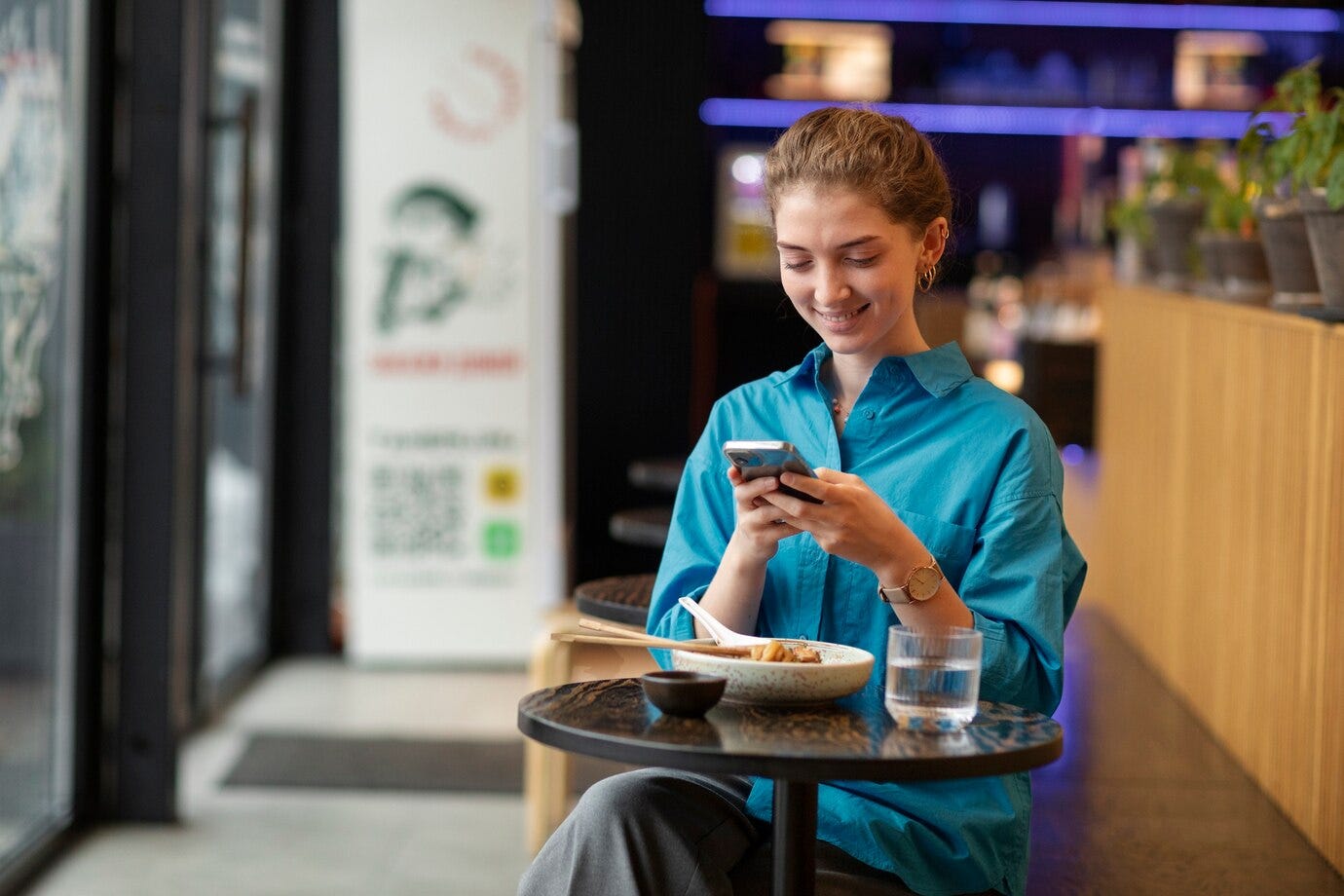
TripAdvisor was once the go-to platform for travellers seeking reviews and recommendations. With its extensive database of hotels, restaurants, and attractions, it shaped travel decisions for millions. However, in recent years, TripAdvisor’s relevance has diminished as platforms like Google Maps and Dianping have taken the lead.
Google Maps: Convenience Redefined
Google Maps has transformed from a navigation tool into a comprehensive local discovery platform. Unlike TripAdvisor, which requires users to visit a separate app or website, Google Maps seamlessly integrates reviews, photos, and ratings directly into its interface. This convenience allows users to find the best spots in real-time without switching platforms. Its personalized recommendations, based on user location and preferences, further enhance its appeal. Moreover, the global dominance of Google means its data is often more up-to-date and comprehensive, covering not just major tourist spots but also hidden local gems.
Dianping: A Regional Powerhouse
In markets like China and parts of Southeast Asia, Dianping has emerged as a dominant force. Often referred to as “China’s Yelp,” Dianping offers detailed reviews, discounts, and even reservation services. Its deep integration with Chinese payment platforms like Alipay and WeChat Pay makes it particularly convenient for users. Furthermore, Dianping’s focus on local insights and crowd-sourced reviews provides a depth of information that TripAdvisor often lacks in these regions.
Why TripAdvisor is Falling Behind
TripAdvisor’s static model and reliance on user-generated reviews have become less competitive. It lacks the real-time, personalized features of Google Maps and the localized expertise of Dianping. Additionally, its interface can feel dated, and its emphasis on international tourism overlooks the growing demand for localized, everyday experiences.
As travel evolves, platforms that prioritize convenience, integration, and personalization—like Google Maps and Dianping—are taking the spotlight, leaving TripAdvisor behind, and much to restaurant owners’ delight ….
Image Credit: https://freepik.com
_ _ _
© Churrasco PHUKET STEAKHOUSE / ALL RIGHTS RESERVED
Churrasco Phuket Steakhouse serves affordable Wagyu and Black Angus steaks and burgers. We are open daily from 12noon to 11pm at Jungceylon Shopping Center in Patong / Phuket.
We are family-friendly and offer free parking and WiFi for guests. See our menus, reserve your table, find our location, and check all reviews here:
https://Churrascophuket.com/
#Churrascophuket #jungceylon #phuketsteakhouse #affordablewagyu #wagyu
by Ross Kingsley | Apr 27, 2025 | RESTAURANT BUSINESS: BEHIND THE KITCHEN DOOR
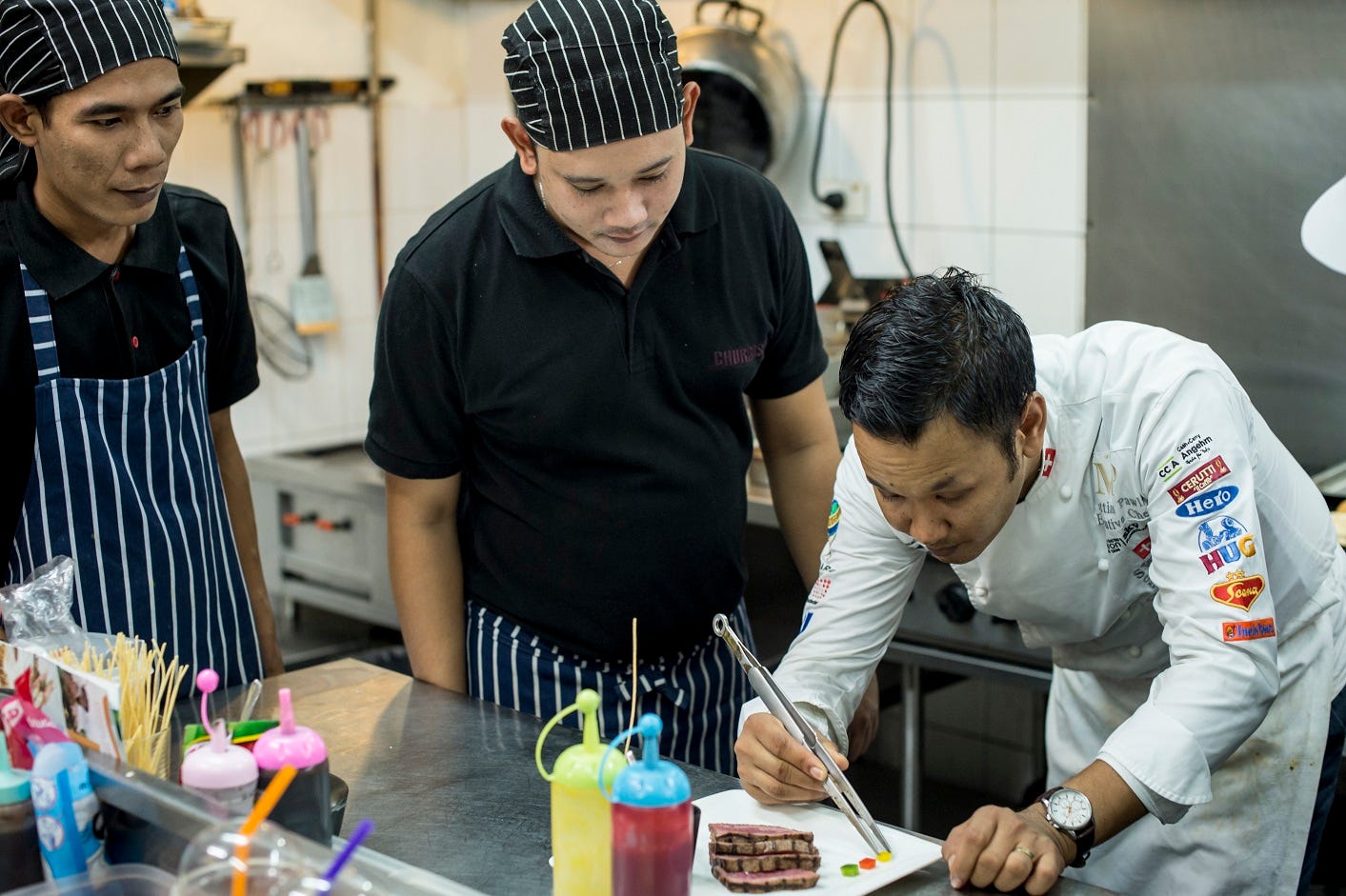
When launching a restaurant, your team isn’t just a group of employees—it’s both the backbone ad the guest interface of your establishment. From the chefs crafting impeccable dishes to the servers creating memorable guest experiences, a motivated and loyal team is essential for long-term success. But how do you foster loyalty, motivation, and high performance among your staff?
Here are three key strategies:
1. Create a Strong Culture of Communication
Effective communication sets the tone for a supportive work environment. Hold regular team meetings to discuss goals, address concerns, celebrate achievements and chart a career path forward for the top performers. Encourage open dialogue where staff feel comfortable sharing ideas or feedback. When team members know their voices are valued, they’re more likely to stay engaged and committed.
2. Invest in Personal and Professional Development
Empower your staff to solve problems on the spot, and help them grow within their roles. Offer training sessions, mentorship, and opportunities to take on new responsibilities. For example, a Line Cook aspiring to become a Sous Chef will appreciate a pathway for growth. This investment not only improves performance but also strengthens loyalty as employees see their future tied to the restaurant’s success.
3. Organize Team Events to Build Morale
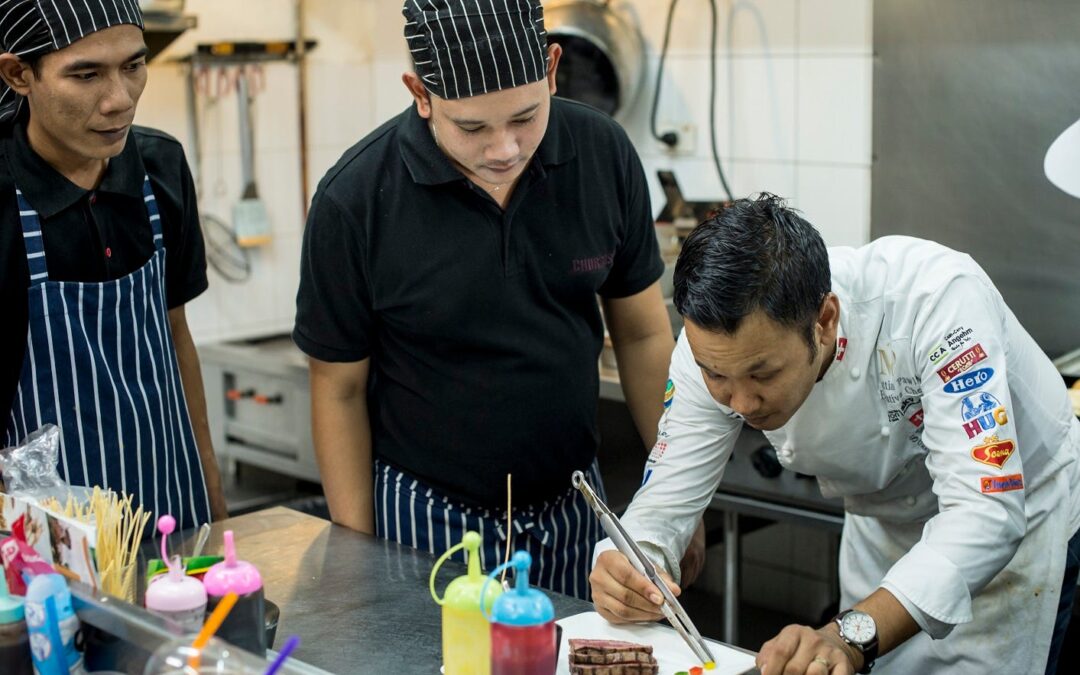
Workplace camaraderie is a powerful motivator. Organize regular team-building activities, whether it’s a casual outing, BBQ party, or relevant games and friendly competitions. Events like off-site adventures give your staff a chance to bond outside the workplace, which is especially useful to improve the often tense relationship between the kitchen and service teams. These shared experiences foster trust and create a sense of belonging.
Starting a restaurant is challenging, but a motivated team can turn obstacles into opportunities. By prioritizing communication, development, and team-building events, you’ll create an environment where employees are motivated to perform their best—not just for a paycheck, but because they truly believe in the mission and each other
Image Credit: https://churrascophuket.com/about/
_ _ _
© CHURRASCO PHUKET STEAKHOUSE / ALL RIGHTS RESERVED
Churrasco Phuket Steakhouse serves affordable Wagyu and Black Angus steaks and burgers. We are open daily from 12noon to 11pm at Jungceylon Shopping Center in Patong / Phuket.
We are family-friendly and offer free parking and Wi-Fi for guests. See our menus, reserve your table, find our location, and check all reviews here:
https://ChurrascoPhuket.com/
#Churrascophuket #jungceylon #phuketsteakhouse #affordablewagyu #wagyu