by lspeed | Mar 25, 2026 | KNOWLEDGE: MEAT ESSENTIALS
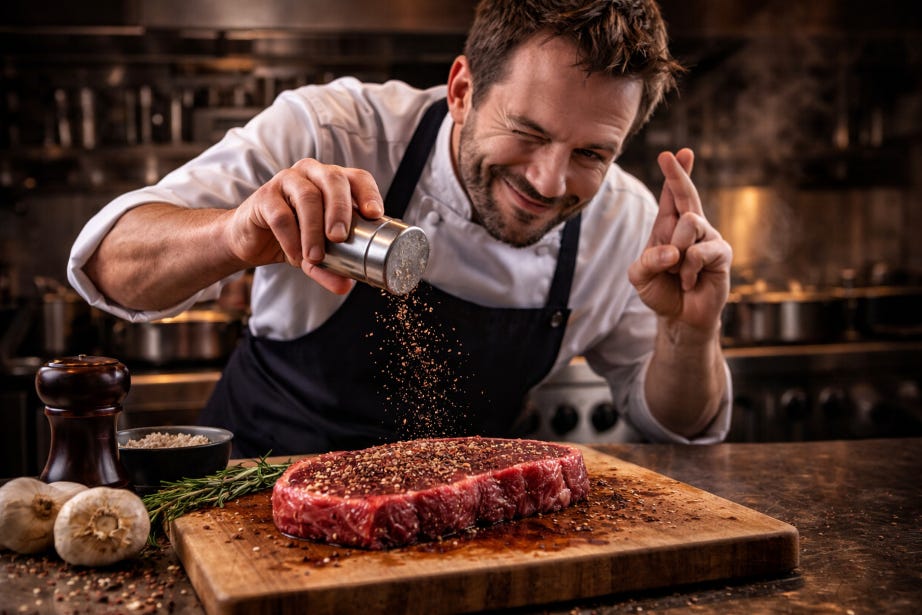
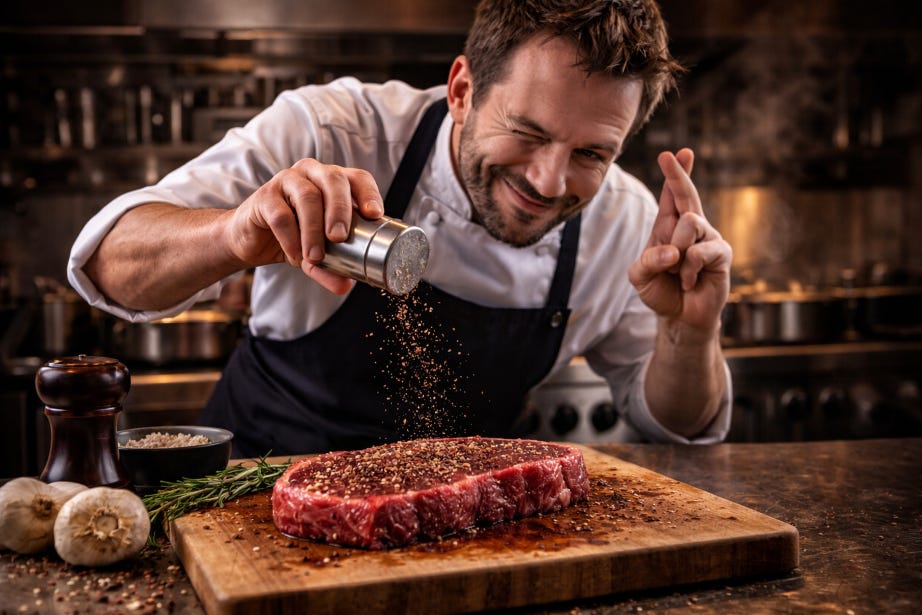
In our restaurant, meat tenderisers have never been and never will be part of the conversation. Not quietly in a drawer, not hiding in the pantry, not even as a desperate late night experiment. We simply buy the best beef we can find, treat it properly, and let nature, experience, and skill do the talking. Good cattle, well raised, correctly aged, and handled with respect, does not require chemical persuasion, enzymatic subversion, or a session with a medieval hammer. The idea of forcing tenderness into a piece of meat that never had it to begin with is something we abhor.
That said, not every kitchen has the luxury of being that selective. Beef is not getting any cheaper, and the romantic notion of every steak being a perfectly marbled rib eye is charming but unrealistic. For those having to work with tougher and more economical cuts, tenderising isn’t culinary indulgence but commercial necessity. There are several widely used methods, each with its own logic, effectiveness – and occasional health drawbacks.
1. Mechanical Tenderising
This is the oldest trick in the cook book, and the most honest. A mallet, a blade tenderiser, or even a fork is used to physically break down muscle fibres. It works quickly and requires no chemistry degree. The downside is aesthetic and structural. Overdo it and your steak resembles upholstery rather than dinner. More importantly, piercing the meat can push surface bacteria deeper inside, which raises food safety concerns if the meat is not cooked thoroughly. In other words, you may achieve tenderness at the cost of inviting a microbiological adventure.
2. Dry Brining With Salt
Salt, that most civilised of ingredients, doubles as a subtle tenderiser. Applied in advance, it draws out moisture then allows it to be reabsorbed, gently breaking down proteins in the process. The result is improved texture and deeper flavour, with the added benefit of making you look like you know what you are doing. The risk is modest but real. Timing is crucial, because over-salting turns a decent cut into something reminiscent of expired disaster rations.
3. Acidic Marinades
Vinegar, citrus juice, wine. All the things that make culinary life pleasant also have the ability to soften meat by denaturing proteins. Used judiciously, they can add both tenderness and complexity. Used carelessly, they produce a curious duality, a mushy exterior and a stubbornly uncooperative interior. There is also the small matter of food safety if meat is left marinating too long at improper temperatures, which turns a dinner plan into a bit of a gamble.
4. Enzymatic Tenderisers
Papaya, pineapple, kiwi – nature’s quiet assassins of protein structure. These fruits contain enzymes that break down muscle fibres with impressive efficiency. Most commercial tenderisers rely on them, which sounds reassuring until you realise how aggressively they work. Leave them on too long and the meat loses all sense of identity, drifting from tender to something approaching pâté. No particular health risks, but dignity is not guaranteed.
5. Slow Cooking (Heat as Tenderiser)
Then there is time, the most patient of tools. Tough cuts rich in connective tissue, such as brisket or chuck, become tender when cooked slowly at low heat. Collagen melts into gelatin, delivering both softness and flavour. It is less a trick and more a transformation, but the risk lies in impatience or poor temperature control. Rush it and you are left with something chewy and resentful. Overdo it and dryness creeps in like an uninvited guest.
Tenderising is a workaround, not a solution. It exists because not all beef is created equal, and not all kitchens can afford to be choosy. Used carefully, these methods can elevate a modest cut into something more respectable. Used carelessly, and your guests will remember it, and not a good way.
Image Credit: https://www.churrascophuket.com (AI Generated)
_ _ _
© CHURRASCO PHUKET STEAKHOUSE / ALL RIGHTS RESERVED
Reprinting, reposting & sharing allowed, in exchange for a backlink and credits
Churrasco Phuket Steakhouse serves affordable Wagyu and Black Angus steaks and burgers. We are open daily from 12noon to 11pm at Jungceylon Shopping Center in Patong / Phuket.
We are family-friendly and offer free parking and Wi-Fi for guests. See our menus, reserve your table, find our location, and check all guest reviews here:
https://ChurrascoPhuket.com/
#Churrascophuket #jungceylon #phuketsteakhouse #affordablewagyu #wagyu
by lspeed | Mar 1, 2026 | KNOWLEDGE: MEAT ESSENTIALS
We have been running high volume steakhouses long enough to recognise patterns, not only in Asia where we operate, but internationally. Food trends always arrive with conviction, confidence and usually a lot of press and influencer fluff. They peak somewhere between curiosity and virtue, and then quietly test whether guests actually want to order them twice.
Molecular foams had their moment. Activated charcoal had its fifteen minutes. Sous Vide found a secure place in modern culinary processes, and gold leaf still turns up occasionally, clinging stubbornly to desserts that never asked for jewellery.
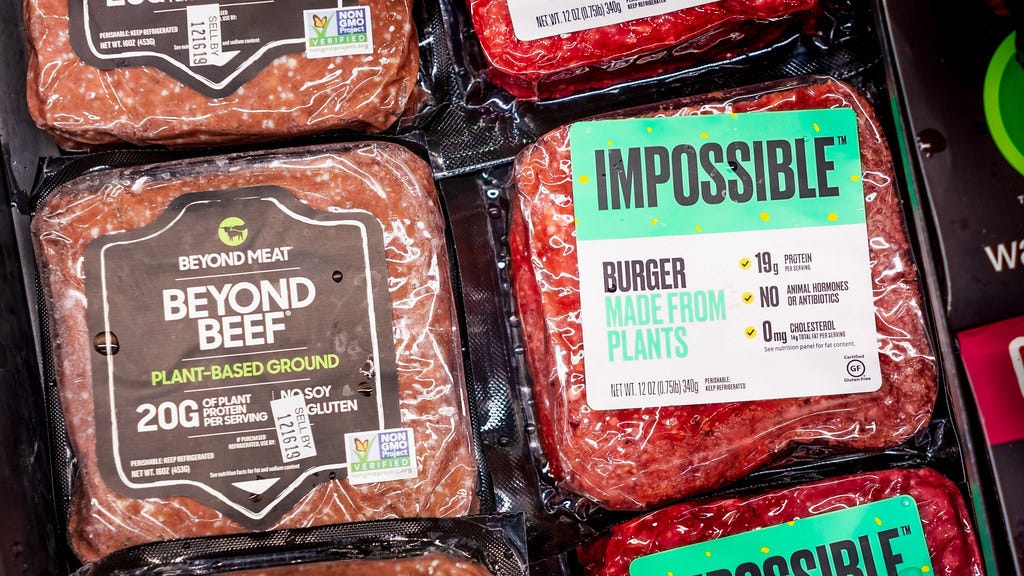
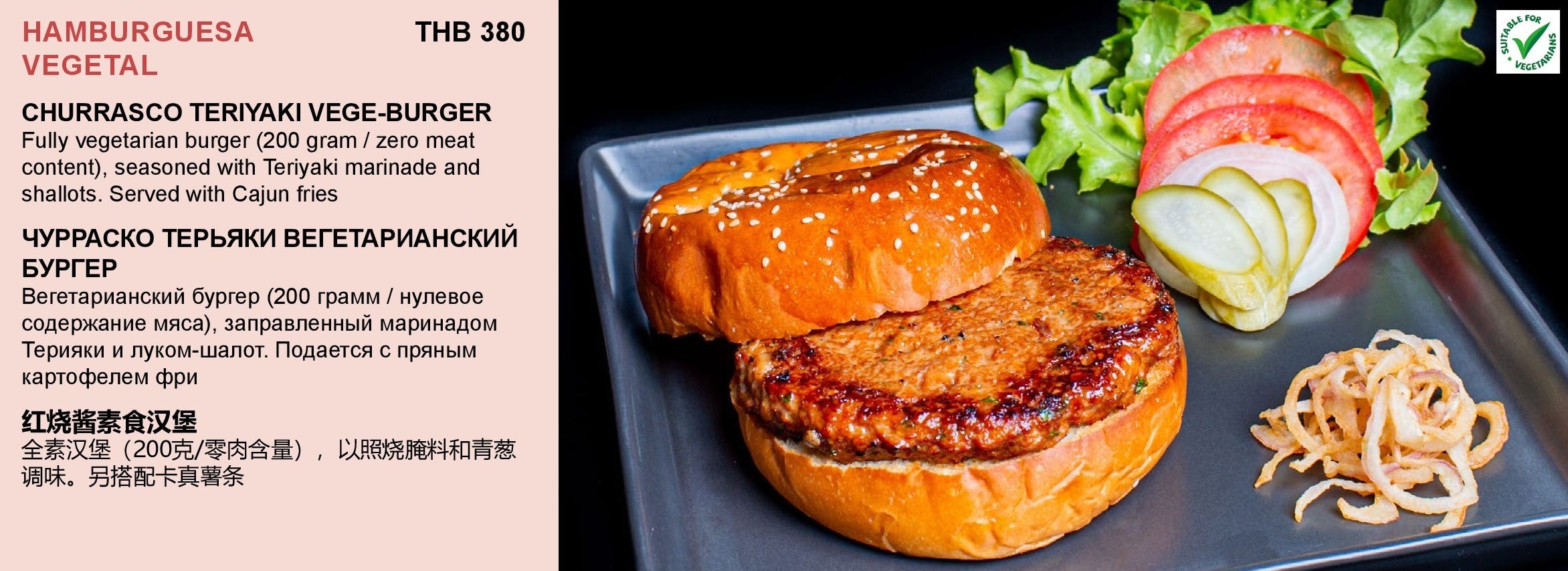
So when plant based meat arrived, we did what we were supposed to do. We listened, we tasted, we ran some numbers, and then we put it on our menu. The motivation was not ideological, but practical. We were also a bit tired of that those moments at the table when seven enthusiastic carnivores pause politely while the eighth guest asked if there is anything suitable for them.
Plant based meat promised to smooth that moment out, offering familiarity without compromise, at least in theory. We started where the category performs best, with burgers. Later we tested the products with a few of our Asian dishes, because any product that can’t survive a hot wok, a grill and a sauce with a strong personality is unlikely to last long in this part of the world.
Then we waited and observed. A year later, we took it all off the menu again.
The numbers told the story with brutal clarity. On average, plant based meat generated roughly one order a month. Occasionally two, often none. This was not quiet sabotage, and we did not hide it in small print or price it punitively. The kitchen handled it with care, the service team understood the product, and it sat visibly on the menu for all to see.
Guests simply did not order it. What surprised us was not the reaction of dedicated meat lovers, which was always predictable. What surprised us was Asia, because Asia does not need fake meat, and this is where Western narratives misread the room.
Asian Chefs have been cooking deeply satisfying plant based food for centuries, without pretending it is something else. Tofu, tempeh, mushrooms, jackfruit, wheat gluten and fermented beans are not substitutes or apologies. They are complete cuisines in their own right, built on technique, texture and umami rather than imitation.
If you grow up with mapo tofu, you do not crave pea protein pretending to be pork. And if you are familiar with Buddhist vegetarian cooking, mock goose included, you already understand structure and savouriness without needing the illusion of beef. When a food culture is grounded in balance, fermentation and layering of flavours, novelty alone struggles to hold attention for very long.
Impossible Pork basil rice, plant based Rendang, and fake Satay made some sense conceptually. But in execution, they fall short. Stir frying is unforgiving, and high heat exposes texture immediately. Oil absorption becomes unpredictable, and sauces highlight weaknesses rather than hide them. What behaves well between a bun does not necessarily behave well in a wok.
Price compounded the issue. Asia’s foodies are intensely price literate, and know what pork and chicken and tofu and vegetables cost. Asking them to pay more for something more processed, less familiar and not clearly tastier was always going to be a challenge. Once the novelty faded, logic returned to the table. Health perceptions did not rescue the category either. Ultra processed is not a compelling selling point in a region where wet markets, fresh produce and daily shopping are still part of everyday life.
From our perspective as a restaurant operator, the negatives started piling up. Storage requirements were awkward, shelf life was short, and supply was inconsistent. Staff had to remember special handling protocols for an item ordered once a month. Menu space is finite and every dish has to justify its place. This one did not, so we removed it. End of story.
Does this mean plant based meat is finished. Not at all, we say, just that the hype phase is over, and whatever comes next will need to earn its place honestly. We see three future scenarios look plausible:
Blended Meats
This is the most realistic path forward. Burgers that are mostly beef with plant proteins folded in for yield and sustainability. Sausages that use mushrooms for juiciness and structure. Less meat rather than no meat. Taste remains familiar, price pressure eases, and environmental impact improves without asking guests to make a philosophical leap. Asia tends to favour pragmatic compromise over absolutism, and this approach fits that mindset well.
Food That Stops Pretending
The strongest vegetarian dishes in Asia succeed because they are honest. Tofu tastes like tofu, and mushrooms taste like mushrooms. Mycelium is used for texture, not disguise. When plant based products aim to be delicious on their own terms rather than imitating steak, chefs can actually work with them creatively. This shift is already happening quietly, and it feels far more durable.
Functional Niches
Airlines, hospitals, institutional catering and disaster relief environments value shelf stability, protein density and standardisation more than romance. Plant based meat fits these use cases well. It does not need to be loved, just to work.
As successful steakhouse operators, we never felt threatened by plant based meat. If anything, the experiment reaffirmed something reassuring. People who want steak will order steak, and people who want vegetables are perfectly happy eating vegetables. Especially in Asia, where plant based food never needed a lab coat to be taken seriously.
Image Credit: https://www.bath.ac.uk/ (University of Bath)
_ _ _
© CHURRASCO PHUKET STEAKHOUSE / ALL RIGHTS RESERVED
Reprinting, reposting & sharing allowed, in exchange for a backlink and credits
Churrasco Phuket Steakhouse serves affordable Wagyu and Black Angus steaks and burgers. We are open daily from 12noon to 11pm at Jungceylon Shopping Center in Patong / Phuket.
We are family-friendly and offer free parking and Wi-Fi for guests. See our menus, reserve your table, find our location, and check all guest reviews here:
https://ChurrascoPhuket.com/
#Churrascophuket #jungceylon #phuketsteakhouse #affordablewagyu #wagyu
by lspeed | Feb 25, 2026 | KNOWLEDGE: MEAT ESSENTIALS
If there is one contest that runs deeper than rugby, cricket, or who invented the flat white, it might just be lamb. Put a Kiwi and an Ozzie in the same room and casually mention sheep, and you will want to reach for the popcorn and enjoy the show.
Both countries are global heavyweights in lamb production. Both export to the world, and are equally fiercely proud of their farming traditions. And both will quietly suggest that the other one is doing it almost right. So what is the actual score when it comes to what lands on your plate?
Round One: New Zealand, Grass Fed and Gloriously Green
New Zealand lamb has built its reputation on purity. Think open hills, dramatic coastlines, and sheep grazing freely on rich, rain nourished pastures. The country’s mild climate and generous rainfall mean lambs spend their lives on grass, not in feedlots. The result is meat that is typically leaner, fine grained, and delicately flavoured. There is a clean, almost herbal note to properly raised New Zealand lamb. It tastes of pasture in the best possible way. Not wild or gamey, just fresh and honest.
Because New Zealand lambs are generally processed at a younger age, the texture tends to be tender and refined. Smaller cuts, elegant racks, and neat chops lend themselves beautifully to quick cooking methods and haute cuisine plating. A hot grill, a well judged roast, or a sharp sear in a pan. You do not need to bully it with heavy sauces or aggressive spices. Let the lamb speak. It usually does so politely, but with quiet confidence.
New Zealand also leans heavily into strict farming standards and traceability. Animal welfare, sustainability, and environmental stewardship are not marketing buzzwords there. They are part of the national identity. For diners who care about how their protein was raised, that matters.
Round Two: Australia, Bigger, Bolder, and Not Shy About It
Australia approaches lamb the way it approaches most things – with scale. Vast landscapes and diverse climates, from dry inland regions to lush coastal pastures. Australian lamb production covers serious ground. While a large proportion of Australian lamb is grass fed, some producers finish their animals on grain. That finishing step changes things, as grain finishing increases intramuscular fat and deepens the flavour profile, just as it does with beef.
The meat often carries a richer, more robust taste and a slightly fattier mouthfeel. Australian lamb also tends to be larger. Bigger shoulders, larger legs, and cuts that feel designed for Sunday roasts, slow braises, and dishes that demand presence. If you are building a lamb curry that needs to hold its own against spice, or a slow cooked stew that simmers for hours, Australian lamb steps into the ring with confidence. It’s bold, it’s hearty, and it does not whisper.
So What Is the Score: The Taste Debate
The fun part of this rivalry is that it mirrors the broader New Zealand versus Australia dynamic. The Kiwis will say their lamb is cleaner, more refined, and raised in greener conditions. The Australians will counter that theirs has more depth, more character, more punch. It is a bit like comparing two great rugby teams. Style versus power, and precision versus impact. Both can win, depending on the day and the crowd.
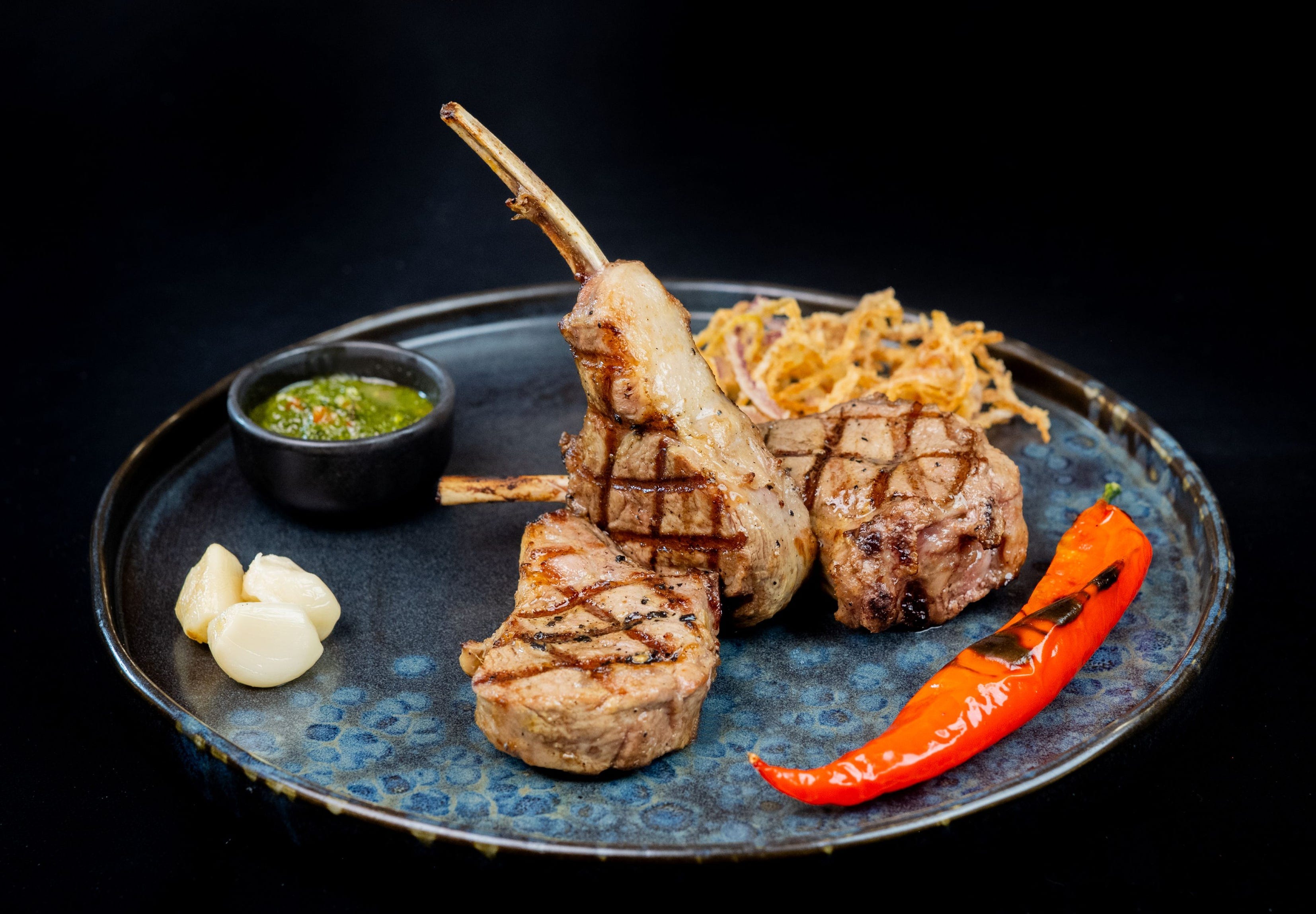
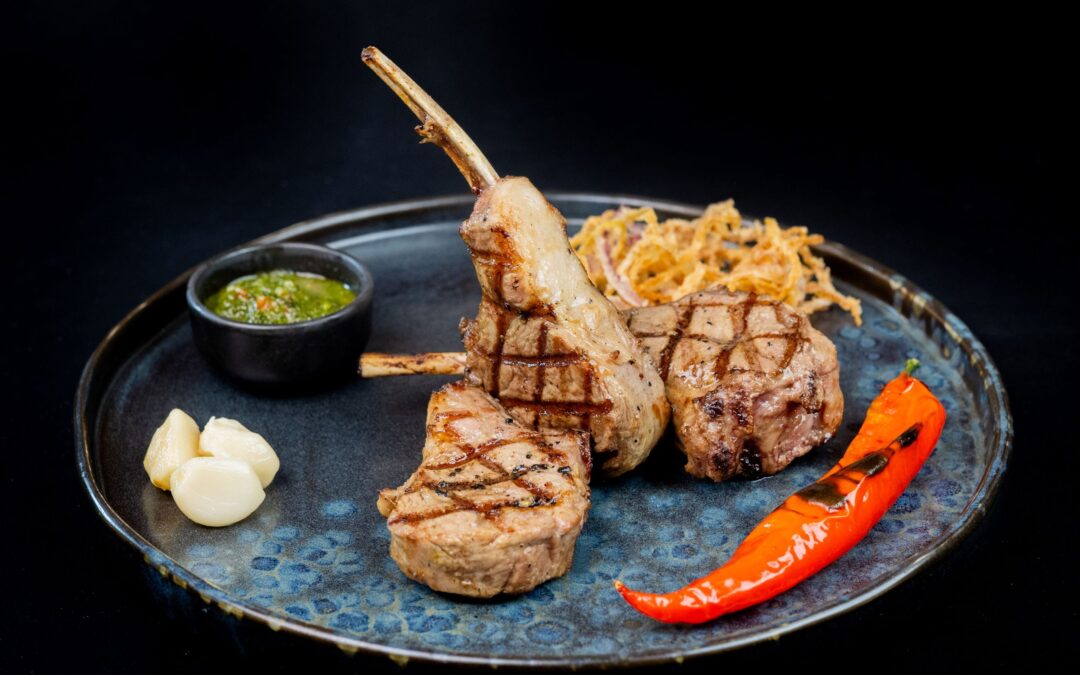
From a chef’s perspective, the choice often comes down to intent. Do you want a lamb rack that shines with just salt, pepper, and careful grilling? New Zealand is hard to beat. Do you want a shoulder that collapses into sticky richness after hours in the oven? Australia may have the edge.
Neither is “better” in some universal sense. They are simply different expressions of climate, feed, farming philosophy, and culinary tradition. In essence, the world is lucky to have both. Between them, New Zealand and Australia have set the global benchmark for exported lamb. The rivalry keeps standards high. The competition drives improvement, and diners everywhere benefit.
As for the bragging rights across the Tasman Sea, that debate will continue long after the last chop has been served. Which is probably exactly how both countries like it.
Image Credit: https://churrascophuket.com (Actual Menu Picture)
_ _ _
© CHURRASCO PHUKET STEAKHOUSE / ALL RIGHTS RESERVED
Reprinting, reposting & sharing allowed, in exchange for a backlink and credits
Churrasco Phuket Steakhouse serves affordable Wagyu and Black Angus steaks and burgers. We are open daily from 12noon to 11pm at Jungceylon Shopping Center in Patong / Phuket.
We are family-friendly and offer free parking and Wi-Fi for guests. See our menus, reserve your table, find our location, and check all guest reviews here:
https://ChurrascoPhuket.com/
#Churrascophuket #jungceylon #phuketsteakhouse #affordablewagyu #wagyu

by lspeed | Feb 15, 2026 | KNOWLEDGE: MEAT ESSENTIALS
There are foods you casually mention over dinner. And then there is horse meat. Say the words out loud at a dinner table, and watch the room split neatly into two fully armed opposing camps. One looks intrigued and starts asking questions, the other one is offended and serves up a dish of cold condemnation.
In other words, horse meat is not just a protein, it is a cultural tripwire with hooves. What makes it irresistible as a topic is not shock value, but the fact that it exposes how irrational we can be about our food. We insist we eat logically, ethically, thoughtfully – until someone brings up horse meat and all logic gallops straight out the door.
Survival Over Sentiment
Historically, horse meat was not edgy, but practical. When armies marched, winters bit, or harvests failed, horses were transport first and dinner second. Nomadic cultures across the Eurasian steppe relied on horses for everything from milk to meat. Eating them was not controversial, it was Tuesday’s lunch.
Then some writers of the antique started judging. Roman commentators liked to snipe at northern tribes for eating horses, quietly filing it under barbarian behavior. Medieval Europe then added religion to the mix. The Christian church discouraged horse meat, partly because pagans liked sacrificing horses, and partly because banning things is a classic branding move for clerics.
Yet, hunger has a way of ignoring doctrine. During wars, sieges, and revolutions, horses ended up in cooking pots all over Europe. Paris during the Franco-Prussian War was famously creative, and not in a Michelin way. When food is scarce, moral philosophy takes a holiday.
The Respectable Comeback
By the nineteenth century, horse meat was reintroduced as sensible food for practical people. Doctors praised it and governments promoted it. Specialized butcher shops appeared, often proudly advertising chevaline meat as lean and nutritious. This was not rebellion, but straight forward public health messaging.
Some of those traditions never disappeared. In France, horse meat sits quietly in the background. Traditional horse butchers still exist, usually family run and slightly old school. Customers are loyal, discreet, and completely uninterested in explaining themselves. Italy is less shy. In parts of the Veneto and Emilia Romagna, horse meat is treated like any other ingredient. It appears as carpaccio, braised dishes, and sausages. No drama, no apologies, just good food. Belgium keeps it practical. Horse meat pops up in regional cooking and charcuterie, valued for flavor rather than controversy.
Then there is Japan, where “Basashi” takes things straight to the edgy end of culinary adventure. Raw horse meat, sliced sashimi style, served with soy sauce, ginger, and garlic is prized for cleanliness and texture. No raised eyebrows seen around, just very sharp knives. And across the steppes in Kazakhstan and Mongolia, horse meat is deeply woven into daily life and identity. Horses are respected, celebrated, and eaten – ideas that coexist without complicated emotional gymnastics.
The Hard No’s
Now move across into the English speaking world, and everything changes. In the United Kingdom, Ireland, and the United States, horse meat is basically social arson. Horses are friends, athletes, therapy animals, and childhood storybook heroes. They wear ribbons, have names, and they do not belong on plates. The argument is emotional, not nutritional, and it is rock solid because emotions usually are. This explains why the European horse meat scandal of the early twenty first century triggered so much anger. People were deeply offended, because something sacred had been smuggled into the lasagna.
Ironically, these same cultures eat animals that others would never touch. Think Hinduism and beef, or Islam and Judaism and pork. Food taboos are not universal truths, they are cultural habits enshrined in moral certainty.
The Taste
When taking all those feelings out for a moment, you can learn that horse meat is lean, high in protein, and slightly sweet due to its natural glycogen levels. Texture wise, it sits somewhere between beef and venison. Less fat, cleaner finish, and zero forgiveness if overcooked. This is why experienced chefs who like horse meat treat it gently. Quick searing, raw preparations, or slow braises respect its structure. Horse meat does not accept to be bullied, it needs precision.
The So What
Horse meat will never be universally embraced, and that is perfectly fine. And this article is not about convincing anyone to eat it or even try it. It is about noting how arbitrary our food rules can be. Somewhere along the line, we all decided which animals are cute, which are useful, and which are delicious. Once we learned that, those categories become stubborn.
But because one such ingredient can make reasonable adults argue like philosophers after too much wine, it is doing something interesting. Horse meat reminds us that eating is never just about taste, but about memory and identity. And about who we think we are, and what belongs on our dinner tables.
Image Credit: https://en.wikipedia.org/wiki/Horse_meat#/media/File:Muenchen_Pferdemetzger_Viktualienmarkt.jpg
_ _ _
© CHURRASCO PHUKET STEAKHOUSE / ALL RIGHTS RESERVED
Reprinting, reposting & sharing allowed, in exchange for a backlink and credits
Churrasco Phuket Steakhouse serves affordable Wagyu and Black Angus steaks and burgers. We are open daily from 12noon to 11pm at Jungceylon Shopping Center in Patong / Phuket.
We are family-friendly and offer free parking and Wi-Fi for guests. See our menus, reserve your table, find our location, and check all guest reviews here:
https://ChurrascoPhuket.com/
#Churrascophuket #jungceylon #phuketsteakhouse #affordablewagyu #wagyu
by lspeed | Feb 1, 2026 | KNOWLEDGE: MEAT ESSENTIALS
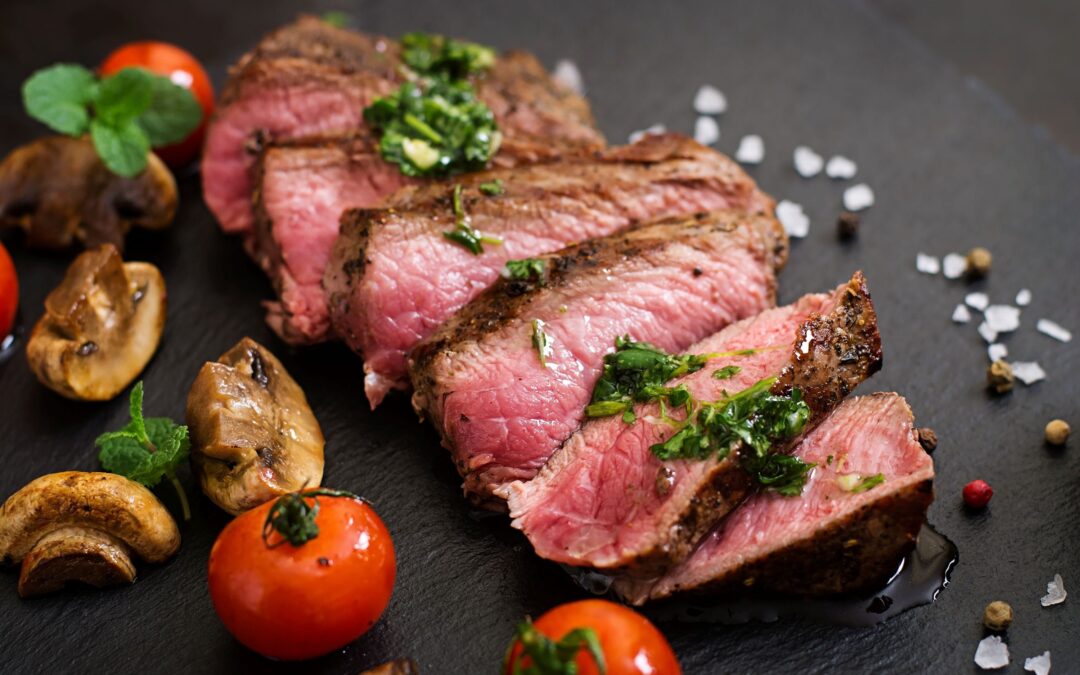
Walk into a steakhouse anywhere in the world, and you will hear familiar promises about premium beef, careful sourcing, and steaks cooked to perfection every single time. What is far less visible, but far more important, is what happened to that beef long before it ever reached the grill and landed on a guest’s plate. Here are the facts:
In professional steak kitchens there are three very different supply chains at work, namely frozen beef, deep chilled beef, and truly fresh beef. While they may sound a bit similar, the stark differences become obvious once heat, time, and expectation enter the equation.
Frozen Beef
This version is far more common than most diners realise. Freezing is not automatically a crime against meat. It is a practical logistics tool that allows beef to travel long distances, while offering distributors and restaurants predictable supply and stable pricing. Beef is usually frozen shortly after slaughter and stored at very low temperatures for an extremely long time, sometimes for years. This doesn’t break any rules as such, as long as the paperwork, handling, and temperature logs are in order.
The problems appear after thawing and grilling, when physics other than marketing takes over. During freezing, ice crystals form inside the muscle fibres, and those crystals impact the internal structure of the meat. Once the steak hits the grill, and depending how exactly it was thawed, this impact often reveals itself in an unflattering way.
Previously frozen beef frequently releases excess water onto the plate after cooking, which dilutes flavour, cools the steak faster than intended, and can look genuinely unappealing on a guest’s plate. Especially when a steak should be resting confidently, rather than sitting in a shallow puddle. Even when cooked carefully, the texture often feels looser and less resilient under the knife, with a slightly grainy bite that no amount of seasoning can fully disguise.
Deep Chilled Beef
Deep chilled beef operates on a different principle and demands a much higher level of discipline throughout the supply chain. Instead of being fully frozen, the meat is kept just around freezing point under tightly controlled temperature and humidity conditions. This slows bacterial growth dramatically while still allowing natural enzymatic ageing to take place. Meaning the beef continues to develop tenderness and flavour in a controlled and largely predictable way.
There is no pause button in this system. Deep chilled beef has a ticking clock, and depending on the program, the cut, and the breed, it must be served within weeks or a few months at most. That forces accuracy and honesty at every stage, from slaughter dates to shipping schedules to cold storage management. When handled properly, the reward is beef with a cleaner, more focused flavour and a texture that is tender yet lively, offering resistance before yielding, which is exactly what most steak lovers subconsciously expect when they order a serious cut of beef.
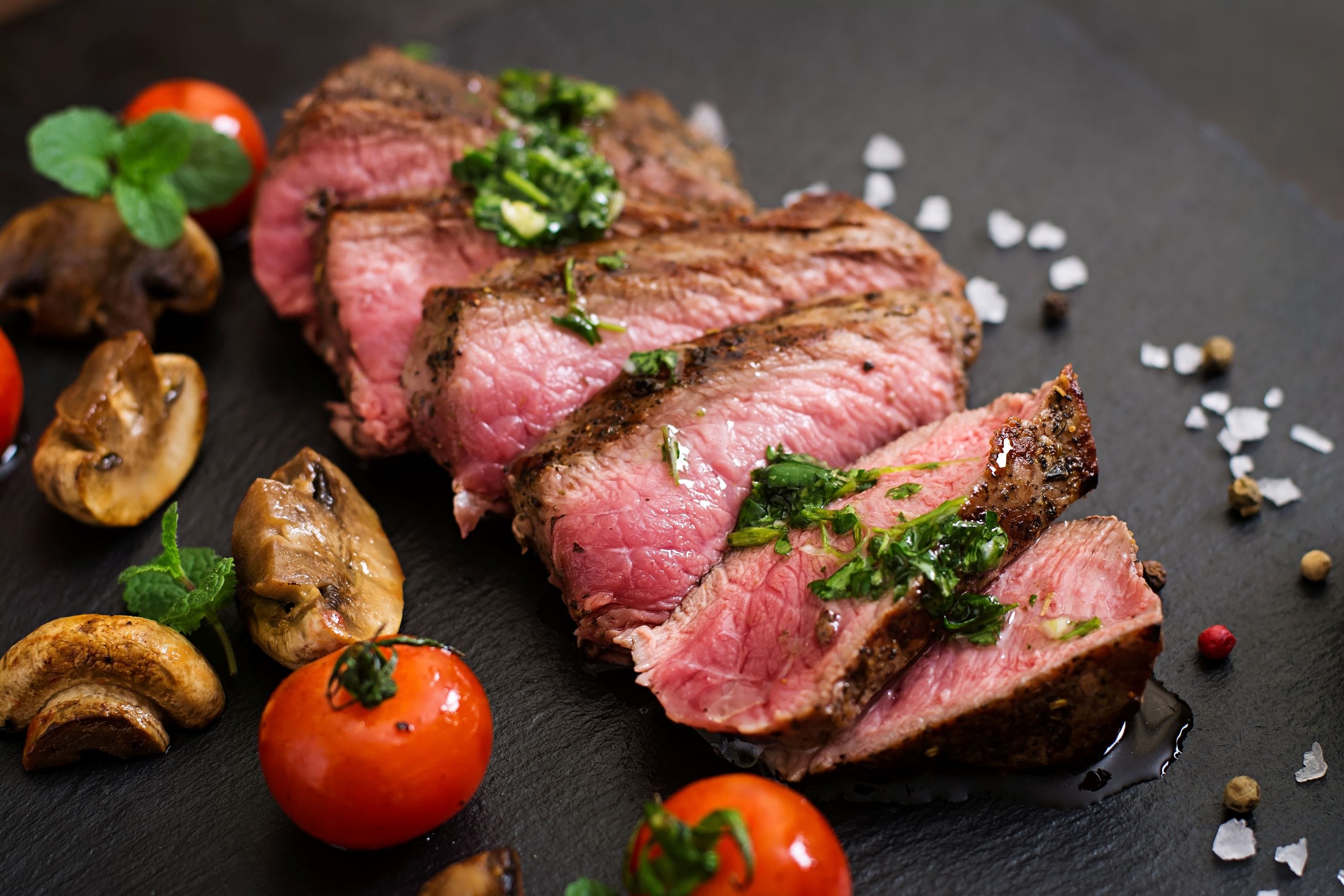
From a cooking perspective, deep chilled beef behaves better on the grill. Moisture loss is more controlled, browning is more even, and the meat responds more predictably to heat. From a guest perspective, the eating experience feels more complete, with flavour depth, juiciness, and structure working together rather than fighting each other.
Fresh Beef
Fresh beef is often misunderstood and romanticised, especially in markets where freshness is equated with quality by default. Fresh beef usually means meat that has undergone little to no meaningful ageing beyond a very short rest after slaughter. While this may sound appealing and “natural”, the reality on the plate is often more challenging for chefs and diners alike.
Without sufficient ageing, muscle fibres remain tight, which frequently results in beef that is noticeably firmer and less tender, even when cooked with care. Flavour development is also limited, as ageing is one of the key processes that builds savoury complexity in beef. Fresh beef can taste clean, but it often tastes shallow, lacking the depth and rounded character that most guests expect from a steakhouse steak. For diners, this can translate into a steak that feels harder to chew and less expressive, even though nothing is technically wrong with the product.
Fresh beef also introduces a higher level of inconsistency in a professional kitchen. Small variations in animal stress, slaughter conditions, and handling become far more obvious without the buffering effect of ageing. While fresh beef has its place in certain culinary traditions, it is rarely ideal for a classic steakhouse setting where tenderness, flavour, and predictability all matter at the same time.
Our Exclusive Choice
At Churrasco Phuket Steakhouse we made a clear decision many years ago to never serve previously frozen beef. This is not because freezing is inherently bad, but because it does not align with the top level experience we want to deliver to our guests. We work exclusively with deep chilled beef suppliers and programs that respect ageing, flavour development, and proper handling from start to finish.
After many years of working with serious volumes of beef, you develop a practical sense for these differences that goes far beyond labels and certificates. The feel of the muscle, the smell when a vacuum bag is opened, and the way the surface reacts to heat all tell a story. Occasionally a supplier will try to “bend the rules”, usually gently and often with a convincing explanation attached, but those stories rarely survive close inspection.
Keep in mind that beef remembers its past. Whether it was frozen, rushed, or patiently aged will always show up eventually, and on a hot grill and a guest’s plate. Just like most everything else, the truth has a habit of revealing itself eventually.
Image Credit:
https://www.freepik.com
_ _ _
© CHURRASCO PHUKET STEAKHOUSE / ALL RIGHTS RESERVED
Reprinting, reposting & sharing allowed, in exchange for a backlink and credits
Churrasco Phuket Steakhouse serves affordable Wagyu and Black Angus steaks and burgers. We are open daily from 12noon to 11pm at Jungceylon Shopping Center in Patong / Phuket.
We are family-friendly and offer free parking and Wi-Fi for guests. See our menus, reserve your table, find our location, and check all guest reviews here:
https://ChurrascoPhuket.com/
#Churrascophuket #jungceylon #phuketsteakhouse #affordablewagyu #wagyu
by lspeed | Nov 20, 2025 | KNOWLEDGE: MEAT ESSENTIALS
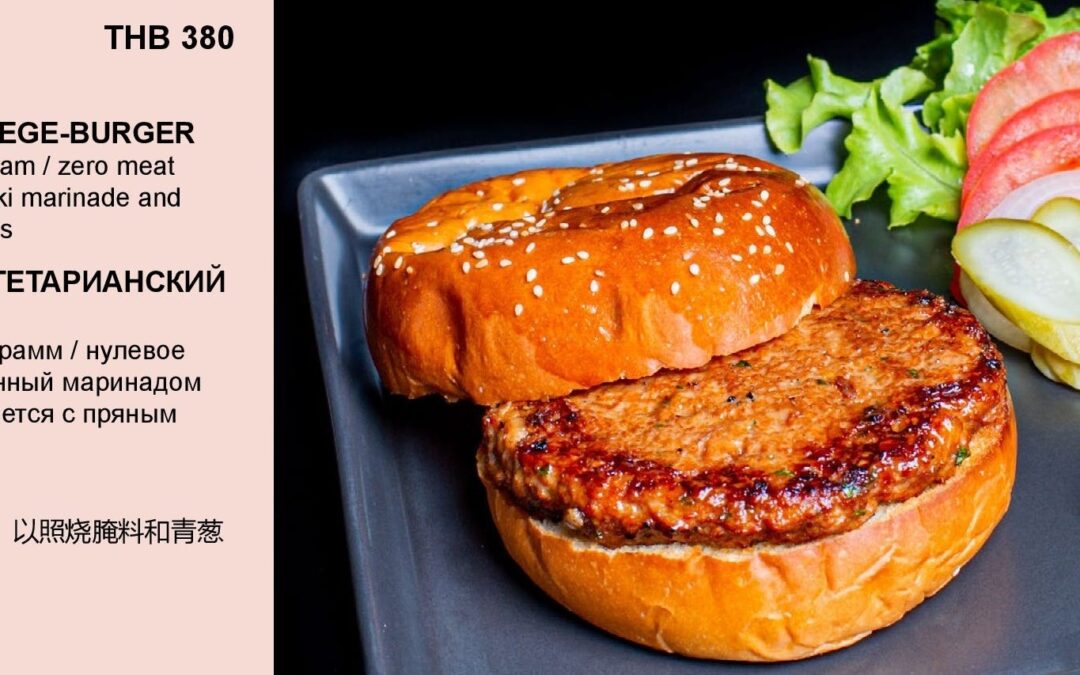
The rapid rise of plant based meat substitutes has been one of the more discussed food industry developments over the past decade. At Churrasco Phuket Steakhouse, we decided to add a plant based burger to our Gourmet Burger line-up during the height of the trend. The results became clear quite quickly – we sold roughly one plant based burger per month while consistently serving more than two hundred of our well known affordable Wagyu burgers in the same period.
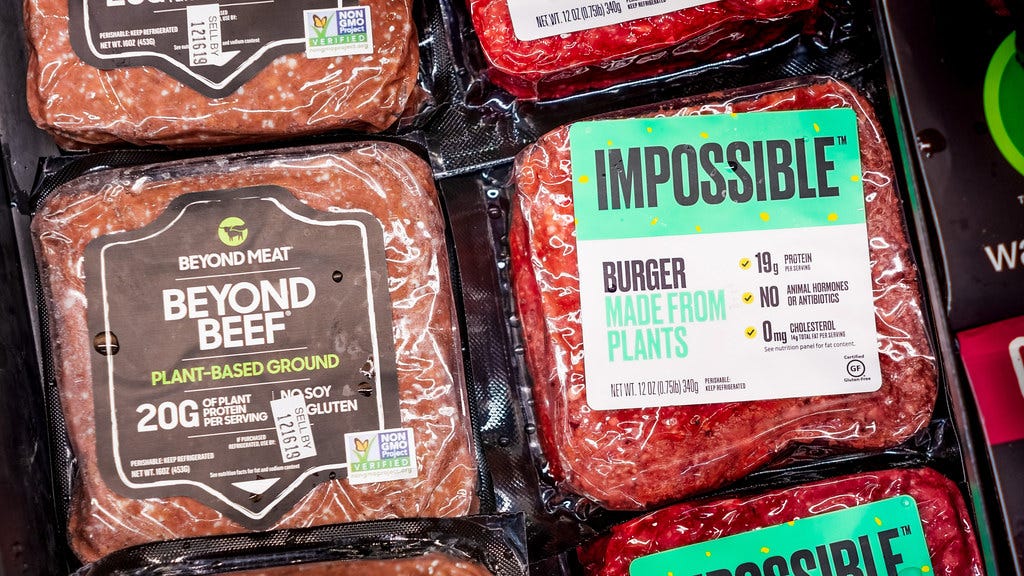
Impossible Foods and Beyond Meat positioned themselves as disruptive forces that would redefine how people eat. Their early marketing leaned heavily on technological framing and strong environmental messaging. Early predictions assumed these products would move from novelty to widespread adoption. Today, the industry picture is more measured. Revenues are falling, several smaller brands have exited the market and valuations have declined sharply.
Impossible Foods private share value has dropped by close to ninety percent since 2021, to which they responded by undertaking a complete rebrand. The company will move from green packaging to red in an effort to appeal directly to consumers who associate red with appetite and meat. This shift signals a recognition that the original brand identity did not resonate with the broader consumer market.
From our steakhouse operator standpoint, the mismatch has been visible for some time. The early excitement around plant based meat was driven by media attention, “FOMO” investment enthusiasm, and a vocal group of early adopters from the woke spectrum of society.
However, the dining public does not behave in the same way as the promotional cycle. The difference between projected market penetration and actual purchase behaviour reflects several practical barriers that most food service operators have long understood.
Price
Plant based substitutes often cost significantly more than traditional beef. In grocery retail, that difference is easy for consumers to see. In restaurants, the gap becomes even more pronounced. Guests intuitively evaluate value. When a plant based patty is priced close to a traditional steak or to a premium beef burger, very few customers feel compelled to choose it unless they have specific dietary preferences.
Demographics
Research consistently shows that plant based substitutes appeal primarily to younger, urban and higher income consumers. That group is often open to experimentation, but it does not represent the full restaurant market. The typical steakhouse guest spans a much broader set of ages and preferences. Many come precisely because they want a traditional experience built around beef. For them, the appeal of a plant based replica is limited, and rarely repeat driven.
Messaging
A sizable share of plant based marketing relied on moral framing. The suggestion, at times, was that choosing conventional meat was outdated or irresponsible. This approach created unnecessary resistance. Guests do not want dining decisions to be turned into political or cultural statements. Food service success relies on trust, clarity and consistency, not on signalling.
Politics
Especially in the US, plant based products became entangled in cultural debates that had little to do with the actual food. Commentators on both extremes claimed symbolic meaning for these items, ranging from elitism to conspiracy. While such narratives are far removed from industry realities, they influence consumer behaviour. Once a product carries ideological weight, marketing adjustments such as packaging colour changes cannot meaningfully shift perception.
For restaurant operators, the practical takeaway is clear. Initial curiosity may drive trial, but long term adoption relies on habitual use, not on symbolic significance. Across the market, plant based trial rates were high, yet repeat purchase rates were low. Our own experience was consistent with this pattern. Guests were willing to try a plant based burger once, often out of curiosity. Very few returned to it. In contrast, our Wagyu burgers continue to sell at scale because they satisfy established expectations around flavour, texture and value.
Plant based items should not necessarily be excluded from steakhouse menus. Operators still offer them as a courtesy for guests with dietary restrictions or preferences. When presented as a simple menu option rather than as a philosophical statement, these items can serve a practical purpose. The key understanding is that they are supplementary, not transformational.
Image Credit: https://churrascophuket.com
_ _ _
© CHURRASCO PHUKET STEAKHOUSE / ALL RIGHTS RESERVED
Reprinting, reposting & sharing allowed, in exchange for a backlink and credits
Churrasco Phuket Steakhouse serves affordable Wagyu and Black Angus steaks and burgers. We are open daily from 12noon to 11pm at Jungceylon Shopping Center in Patong / Phuket.
We are family-friendly and offer free parking and Wi-Fi for guests. See our menus, reserve your table, find our location, and check all guest reviews here:
https://ChurrascoPhuket.com/
#Churrascophuket #jungceylon #phuketsteakhouse #affordablewagyu #wagyu