by lspeed | Aug 24, 2025 | BLACK BOX: RANTS, RAVES, REVIEWS & RECIPES
Great hospitality is about controlled magic, not contained mayhem. A team working in sync with a room full of strangers offers the illusion that the entire evening is seamless and effortless. When it works, guests feel looked after without noticing the mechanics behind it. The timing is right, the service unobtrusive, the energy warm. For a moment, they believe the universe revolves around their table and them.
But that illusion rests on an unspoken contract between restaurant and guest. Increasingly, that contract is breaking. Phones and selfies dominate the table. Children wander around the dining room unchecked. Meals are filmed more than they are eaten. Some guests treat restaurants as backdrops for content, others as stages for their own performance. This behaviour isn’t entirely new, but is becoming routine and ever harder to manage.
Once, experienced floor leaders absorbed the friction. A Maître D’ could redirect a situation with authority and charm. A senior server or bartender knew how to diffuse tension before it spread. Today, such professionals are rare, often stretched thin or pulled off the floor entirely. Without them, responsibility falls on less experienced staff who lack both the authority and the support to hold the room together.
The guest’s side of the contract has also shifted. Long before Covid, technology and consumer culture were reshaping expectations. Social media rewards the individual over the collective. The rise of customization, once a hallmark of service, has been warped into the idea that every order should bend entirely to one person’s preferences. After Covid, guests returned impatient, out of practice in social norms, and a lot more entitled. Meanwhile, restaurants returned with leaner teams and less seasoned leadership. The result is a service environment where staff face more disruption but with fewer tools to manage it.
This is where the old mantra, “the guest is always right,” begins to show its cracks. It was never true. Guests can be wrong, misinformed, or simply acting out. What great professionals know is how to make guests feel right without undermining the standards of the house. That requires what might be called benevolent authority, meaning assertiveness wrapped in warmth and professionalism. It’s the skill of setting boundaries with charm. But that skill is impossible to exercise if leadership doesn’t back the team.
Too often, teams are told to “just make them happy.” The default solution becomes comped desserts, apologies on repeat, and giving way to unreasonable demands. Short-term, it defuses the moment. Long term, it drains morale, drives turnover, and erodes the culture and standards. The hidden cost of endless appeasement is not the free dessert but the loss of talented people unwilling to work in a system where their dignity isn’t protected.
Hospitality is not and has never been about servitude, it’s about a skill and balance. A mutual exchange, where the restaurant delivers thoughtful service and the guest brings basic respect for the shared space. When that balance holds, the dining room thrives. When it breaks, staff feel unsupported, standards slip, and the atmosphere turns awkward. Every operator knows the difference between a room humming with conviviality and one that feels like a powder keg waiting for a spark.
For restaurant owners and managers, the path forward is not about doubling down on slogans or tightening rulebooks. It’s about investing in human leadership on the floor. That means training leaders to manage people as much as service flow. It means empowering staff to make judgment calls rather than forcing them into rigid scripts. And most importantly, it means creating a culture where dignity is valued on both sides of the table.
The guest is not always right. But handled properly, they should leave feeling as if they were, because the team was skilled, fully supported, and there confident enough to manage the situation without compromise.
That’s the standard the hospitality trade must recover. Not deference at all costs, but dignity for both guest and team.
Image Credit: https://churrascophuket.com
_ _ _
© CHURRASCO PHUKET STEAKHOUSE / ALL RIGHTS RESERVED
Reprinting, reposting & sharing allowed, in exchange for a backlink and credits
Churrasco Phuket Steakhouse serves affordable Wagyu and Black Angus steaks and burgers. We are open daily from 12noon to 11pm at Jungceylon Shopping Center in Patong / Phuket.
We are family-friendly and offer free parking and Wi-Fi for guests. See our menus, reserve your table, find our location, and check all guest reviews here:
https://ChurrascoPhuket.com/
#Churrascophuket #jungceylon #phuketsteakhouse #affordablewagyu #wagyu
by lspeed | Aug 24, 2025 | KNOWLEDGE: MEAT ESSENTIALS
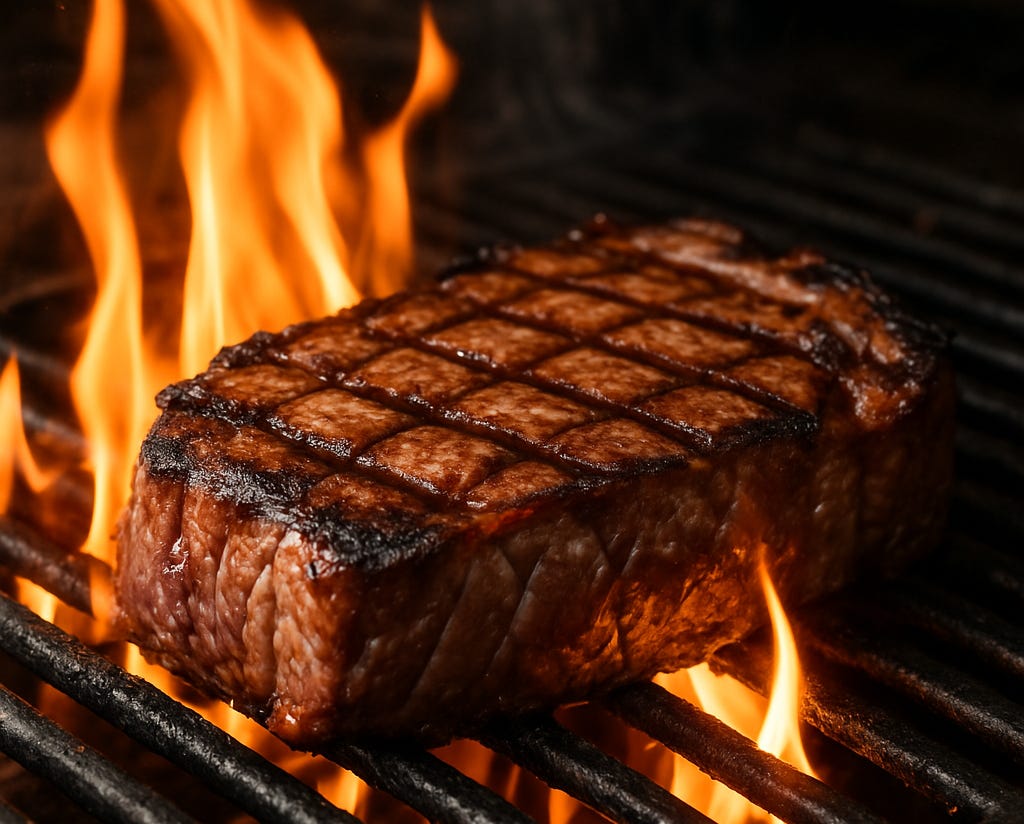
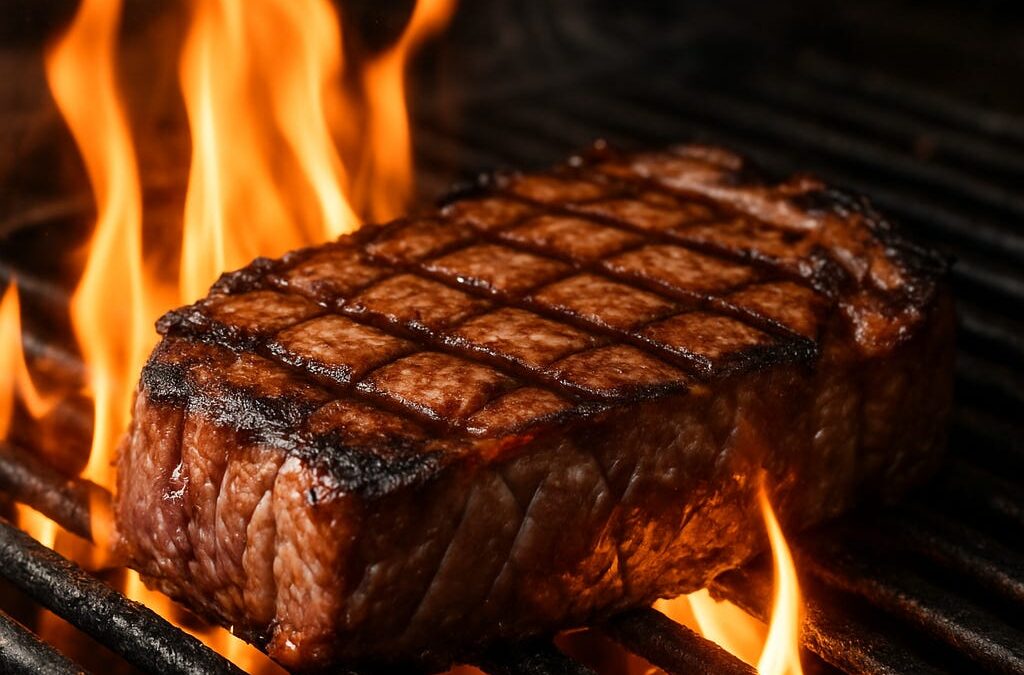
Ask for a Ribeye in Buenos Aires, a Sirloin in London, a Skirt Steak in New York, or an Oyster Blade in Singapore, and you might get something entirely different than expected. The story behind these names is one of anatomy, culinary traditions, migration – even colonial history.
Ribeye – The “Scotch Fillet” or “Entrecôte”
Where it comes from: The Ribeye is cut from the rib section, typically from ribs six to twelve, prized for its marbling and rich flavor. In American butchery, it’s boneless; when served bone-in, it becomes a “Cowboy Steak” or “Tomahawk” if the rib bone is left extra long.
Different names:
-
United States: Ribeye (boneless), rib steak (bone-in)
-
UK and Ireland: Ribeye or “rib steak” (sometimes still attached to the bone)
-
France and French-speaking countries: Entrecôte (literally “between the ribs”)
-
Australia and New Zealand: Scotch Fillet (boneless) or Rib Steak (bone-in)
-
Spain & Latin America: Bife de Chorizo in some regions, though in Argentina that term more often refers to a thick Sirloin; Ribeye is also known as Ojo de Bife (“eye of the beef”)
Why so many names?
Butchery in Europe traditionally followed local anatomical divisions and language. The French system emphasized where a muscle sat in relation to the ribs (entre + côte), while British naming favored bone references (“rib steak”).
Scots who migrated to Australia took their own naming convention with them, hence “Scotch Fillet.” In Latin America, Italian and Spanish immigrants merged traditions, resulting in “Ojo de Bife,” a name still common in Argentine steakhouses.
Sirloin – From “Al Lomo” to “Porterhouse”
Where it comes from: Sirloin sits behind the rib section, towards the rear back. In US butchery, “Sirloin” is a broad term encompassing Top Sirloin (leaner, great for grilling) and Bottom Sirloin (tougher, often used for roasts). In the UK, Sirloin is the strip of meat running along the spine, roughly equivalent to the American Strip Steak or New York Strip.
Different names:
-
United States: Sirloin, Top Sirloin, Bottom Sirloin; the upper part near the short loin can yield “Porterhouse” or “T-bone” steaks when cut with bone attached
-
UK and Ireland: Sirloin (bone-in or boneless); the tender upper portion is similar to American strip steak
-
France: Aloyau for the general area; Faux-Filet for the strip section
-
Spain & Latin America: Lomo (generic for loin), Bife de Lomo (Tenderloin), and Bife Angosto for strip-like sirloin
-
Italy: Controfiletto for the Sirloin strip
Why the confusion?
Different butchery maps assign boundaries differently. The British Sirloin is actually closer to what Americans call Striploin, and the American Sirloin includes muscles the British would cut into Rumpsteaks.
These differences go back centuries, reinforced by colonial trade routes: the British butchery map spread to Australia, New Zealand, and parts of Africa, while the French and Spanish systems followed their empires into Latin America, Southeast Asia, and parts of Africa.
Skirt Steak – “Entraña” and “Bavette”
Where it comes from: Skirt Steak is a long, thin cut from the diaphragm muscle. It’s intensely flavorful, with a coarse grain that needs quick cooking or marinating. American butchery distinguishes between “inside” and “outside” skirt depending on whether it comes from the Plate (outside) or Flank (inside) section.
Different names:
-
United States: Skirt sSteak (inside or outside)
-
UK: Skirt (often used for braising rather than grilling)
-
France: Bavette d’Aloyau or Bavette de Flanchet
-
Spain & Latin America: Entraña (most common in Argentina, Chile, Uruguay), often grilled whole over coals
-
Mexico: Skirt steak is the classic choice for Arrachera (used in fajitas)
Why so many terms?
The French Bavette simply means “bib”, a reference to its flat, apron-like shape. In Spanish, Entraña refers to something “inner” or “close to the inside,” reflecting its location near the diaphragm. In the United States, industrial butchery created precise inside/outside distinctions.
In traditional Latin American grilling culture, the Entraña is always grilled whole over high heat and served medium-rare. Migrants from Spain, Italy, and France brought both terminology and cooking techniques to South America, cementing the regional love for this cut.
Oyster Blade – “Flat Iron” and “Paleron”
Where it comes from: The Oyster Blade comes from the shoulder, specifically the top blade muscle that lies beneath the scapula. It contains a line of connective tissue down the middle, which, when removed, yields two exceptionally tender Flatiron Steaks.
Different names:
-
Australia & New Zealand: Oyster Blade (whole cut, often braised or grilled)
-
United States: Flatiron Steak (when the gristle is removed), Top Blade Steak (whole)
-
UK: Feather Blade
-
France: Paleron
-
Italy: Copertina di Spalla
Why the variations?
In older butchery, the connective tissue made this cut more suitable for slow cooking, hence names like Paleron that appear in stewing recipes. Modern American meat science in the early 2000s popularized trimming out the gristle to create the “flat iron”, a marketing name chosen to appeal to restaurant menus.
Australia retained the older “Oyster Blade” term, a nod to the muscle’s curved, oyster-like shape. Migratory butchers and chefs have since cross-pollinated these techniques, so you can now find flat iron steaks in Europe and oyster blades on Asian menus.
Traditions, Colonialism, and Migration
The reason for this nomenclature isn’t culinary snobbery. It’s rooted in the way animals were historically slaughtered and divided. Before refrigeration, cuts were tailored to local cooking methods and eating habits. In France, small, tender cuts like Entrecôte suited quick searing; in Britain, roasts and joints demanded larger cuts.
Colonialism exported these traditions wholesale. British butchery vocabulary took root in Australia, New Zealand, Canada, and parts of Africa. French terminology spread to West Africa, Indochina, and French Polynesia. Spanish and Portuguese terms traveled with settlers to Latin America, where they merged with indigenous grilling traditions and Italian immigrant cooking styles.
In the 20th century, industrial meatpacking and migration blurred the lines further. Immigrants carried recipes and preferences with them, influencing how local butchers cut and named meat. Global restaurant chains and food media have since introduced hybrid terms. So, when you bite into any steak cut, you savour a slice of culinary history. A story of trade routes, traditions, empires, migration, and human history.
Image Credit: https://churrascophuket.com
_ _ _
© CHURRASCO PHUKET STEAKHOUSE / ALL RIGHTS RESERVED
Reprinting, reposting & sharing allowed, in exchange for a backlink and credits
Churrasco Phuket Steakhouse serves affordable Wagyu and Black Angus steaks and burgers. We are open daily from 12noon to 11pm at Jungceylon Shopping Center in Patong / Phuket.
We are family-friendly and offer free parking and Wi-Fi for guests. See our menus, reserve your table, find our location, and check all guest reviews here:
https://ChurrascoPhuket.com/
#Churrascophuket #jungceylon #phuketsteakhouse #affordablewagyu #wagyu
by lspeed | Aug 24, 2025 | WINES: UNCORKING THE MYSTERY
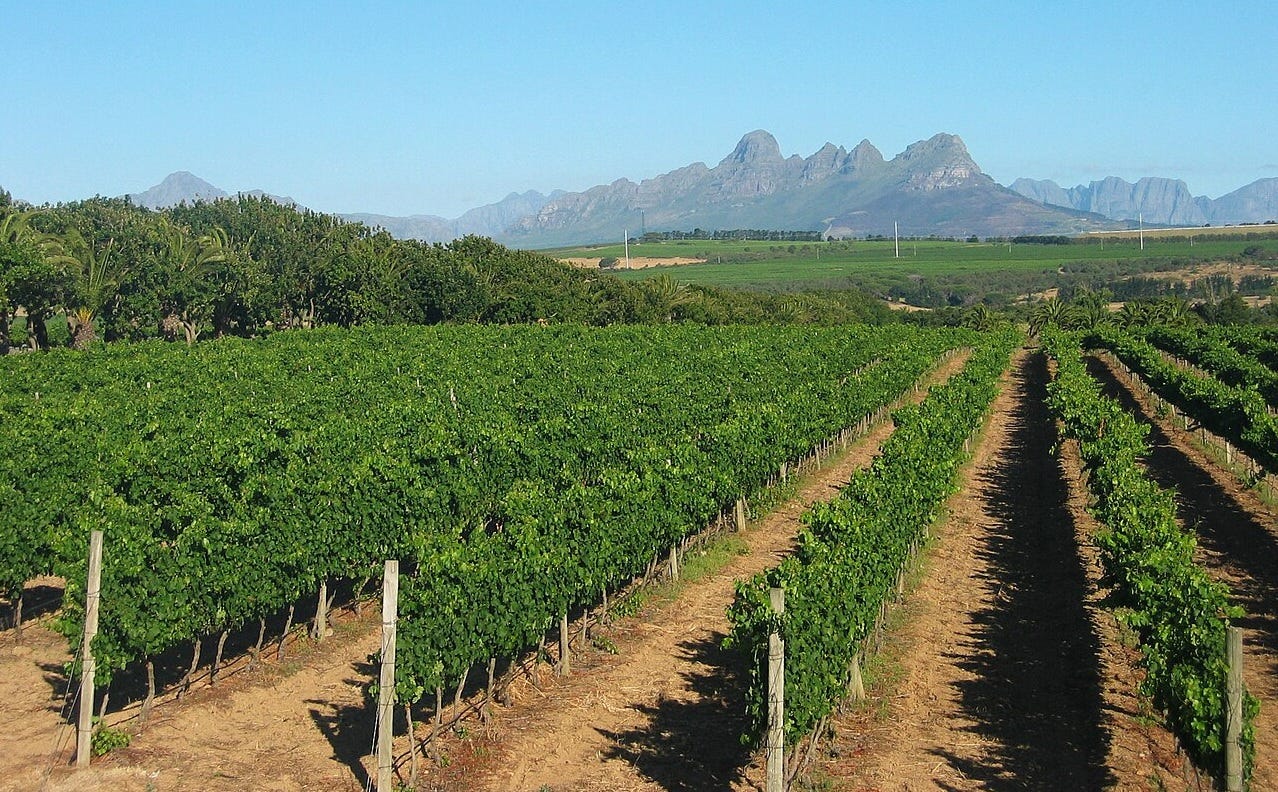
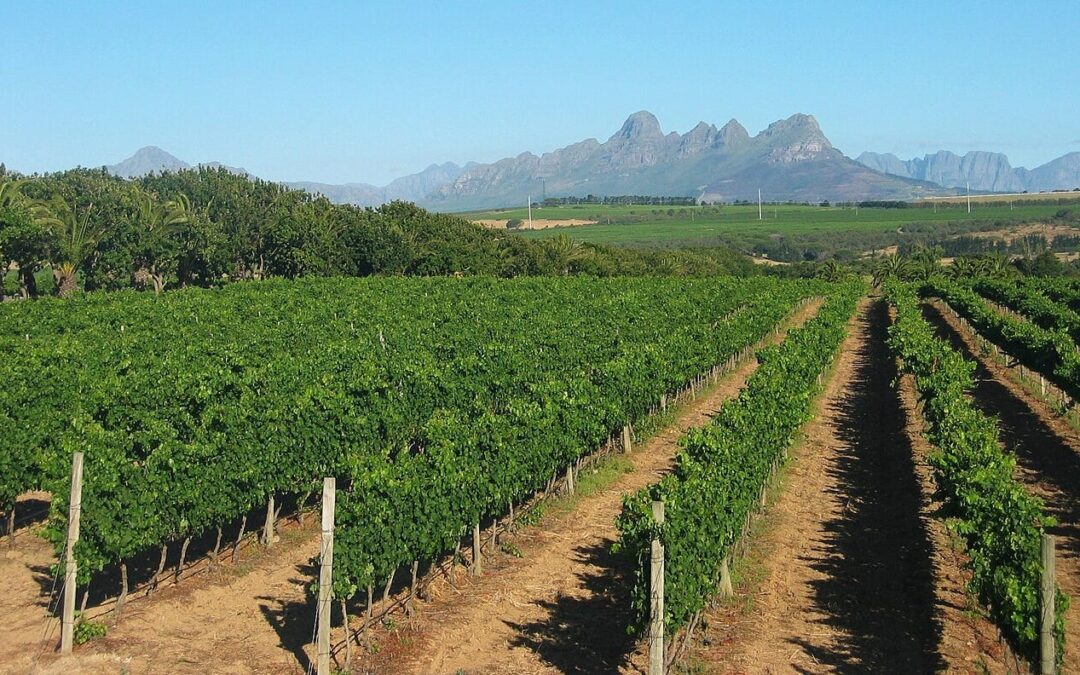
Stellenbosch is arguably South Africa’s commercially most significant wine region. Located just east of Cape Town, it serves as a cornerstone of the country’s wine industry in terms of volume, academic research, and international market recognition. With a mix of maritime influence, varied soils, and a long viticultural history, Stellenbosch is a versatile wine-growing zone capable of producing a wide range of styles.
Historical Background
Viticulture here dates back to the late 17th century, following the arrival of Dutch settlers and subsequently French Huguenots, who brought winemaking knowledge and grapevine cuttings to the Cape Colony. The fertile soils and Mediterranean-style climate made Stellenbosch a suitable location for grape cultivation, and by the 18th century, it had established itself as a key contributor to South African wine production.
Throughout the 19th and 20th centuries, the region saw shifts in vineyard management, production methods, and export strategies, particularly following the formation of the Koöperatieve Wijnbouwers Vereniging (KWV) in 1918, which regulated wine quality and exports. The end of apartheid in the early 1990s opened international markets to South African producers, prompting increased investment and modernization in Stellenbosch’s wine sector.
Grape Varieties and Wine Styles
Stellenbosch’s climate is classified as warm Mediterranean, moderated by Atlantic Ocean breezes from False Bay. This allows for the cultivation of both red and white grapes, although red varietals strongly dominate.
Red Grapes
-
Cabernet Sauvignon: The most planted and commercially important red grape in the region. Often used for varietal wines and blends, particularly in Bordeaux-style combinations.
-
Merlot: Commonly paired with Cabernet Sauvignon to soften blends, or bottled on its own.
-
Shiraz (Syrah): Frequently made in a ripe, full-bodied style; also appears in Rhône-style blends.
-
Pinotage: A uniquely South African grape, developed from a cross between Pinot Noir and Cinsaut. While polarizing in style and reception, it remains a regional staple.
White Grapes
-
Chenin Blanc: Although more associated with regions like Swartland, it is still grown in Stellenbosch and used for both dry and off-dry styles.
-
Sauvignon Blanc: Typically planted in cooler subzones, producing wines with herbal and citrus-driven profiles.
-
Chardonnay: Made in both oaked and unoaked versions, sometimes used in sparkling wines (Cap Classique).
The range of microclimates and soils within Stellenbosch range from granite and shale to sandstone and support the production of both single-varietal wines and complex blends.
Subregions
Stellenbosch is not a monolithic zone; it comprises several wards or subregions, each with distinct characteristics. Notable among these are:
-
Simonsberg-Stellenbosch: Known for structured reds.
-
Jonkershoek Valley: Cooler climate; suitable for Sauvignon Blanc and Cabernet-based wines.
-
Helderberg: Coastal influence; diverse plantings.
-
Bottelary Hills: Often associated with Pinotage and Shiraz.
These subregions allow for differentiated branding and marketing within the greater Stellenbosch designation.
Leading Producers
The region includes a mix of large-scale operations and smaller, privately-owned estates. While it is difficult to definitively rank producers, the following five are widely recognized within the trade for their historical significance, consistent quality, and international distribution:
-
Kanonkop Estate
Known for its long-standing commitment to Pinotage and Bordeaux blends. Family-owned since the early 20th century.
-
Meerlust Estate
One of the first to label a Bordeaux-style blend as “Rubicon,” which became a flagship South African wine.
-
Rust en Vrede
Focused almost exclusively on red wine. Frequently cited for its Shiraz and Cabernet Sauvignon.
-
Warwick Estate
Known for its trilogy of Bordeaux-style blends and experimentation with single-varietal expressions.
-
Spier Wines
One of the region’s oldest wine farms, combining large-scale production with a sustainability focus.
These producers vary in scale, but all have built international reputations based on consistent branding and quality.
Export Markets and Global Reception
Stellenbosch plays a central role in South Africa’s wine exports. Key markets include the United Kingdom, Netherlands, Germany, the United States, and China. The wines are often priced competitively compared to similar quality offerings from Europe and the New World, making them appealing to both on-trade and off-trade buyers.
Reception in global markets has generally been positive, especially in blind tastings where Stellenbosch reds frequently perform well. Cabernet Sauvignon and Bordeaux-style blends are the most likely to appear on international wine lists, while Sauvignon Blanc and Chenin Blanc hold appeal in retail environments.
Despite its relative success, the region still faces challenges such as currency fluctuation, vintage variation due to droughts, and residual perception issues in some markets tied to its apartheid-era legacy. Nonetheless, Stellenbosch remains one of South Africa’s most internationally visible appellations.
Image Credit: https://wikipedia.org
_ _ _
© CHURRASCO PHUKET STEAKHOUSE / ALL RIGHTS RESERVED
Reprinting, reposting & sharing allowed, in exchange for a backlink and credits
Churrasco Phuket Steakhouse serves affordable Wagyu and Black Angus steaks and burgers. We are open daily from 12noon to 11pm at Jungceylon Shopping Center in Patong / Phuket.
We are family-friendly and offer free parking and Wi-Fi for guests. See our menus, reserve your table, find our location, and check all guest reviews here:
https://ChurrascoPhuket.com/
#Churrascophuket #jungceylon #phuketsteakhouse #affordablewagyu #wagyu
by lspeed | Aug 24, 2025 | LIQUORS: LIFT YOUR SPIRITS
Changing social habits, a focus on health, and the rise of the “Sober Curious” movement have turned zero-alcohol spirits into an evolving bar drinks category. These products are not to be confused with Mocktails, because they mimic the aroma, flavor complexity, and ritual of spirits, but without the intoxication.
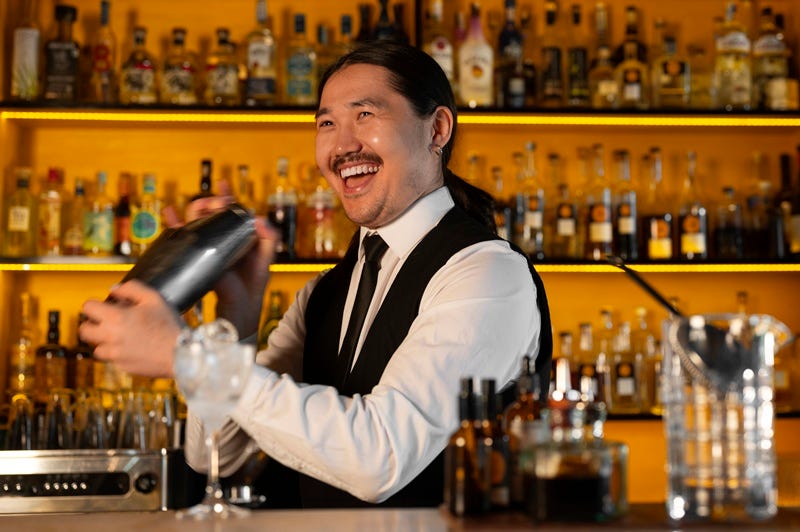
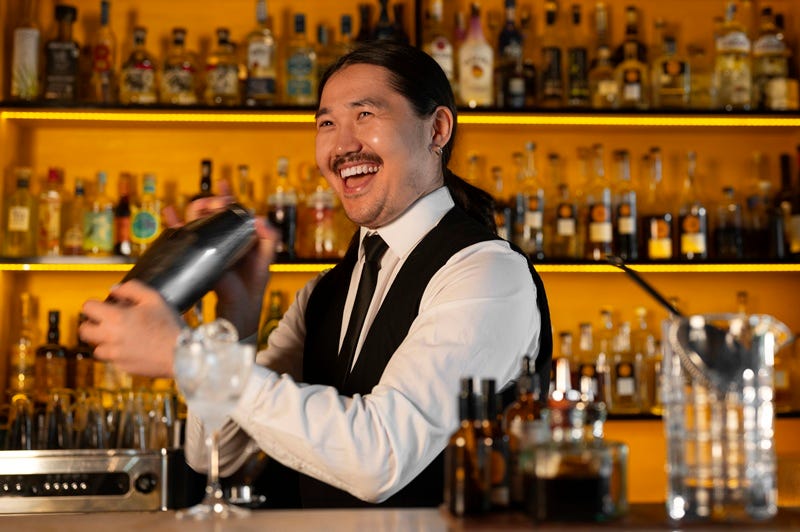
They’re not soft drinks in disguise, instead crafted with the same botanical distillation, barrel aging, or infusion processes as their alcoholic counterparts. Bartenders are starting to use using them to craft cocktails, along those using traditional pours.
1. Almave Blanco Nonalcoholic Blue Agave Spirit
Created in partnership with Formula 1 driver Lewis Hamilton, Almave Blanco is produced in Mexico from Blue Weber agave. The production method adapts tequila-making processes, without fermentation, to preserve the raw plant’s earthy and peppery profile. It has a clean, slightly vegetal aroma with hints of citrus and light herbal notes. While not tequila, its flavor structure makes it compatible with classic agave-based cocktails such as margaritas or Palomas. It can also be served neat over ice with a lime wedge for a simple presentation.
2. Ritual Zero-Proof Rum
Ritual Zero-Proof Rum is designed as a substitute for light rum in mixed drinks. Its formulation uses natural flavors and botanicals to evoke caramel, mild molasses, baking spice, and tropical fruit notes. The texture is light, with a finish that complements citrus and mint. It functions well in standard rum cocktails such as mojitos, daiquiris, or rum punches, and can also be incorporated into non-alcoholic culinary recipes that traditionally use rum, such as sauces or baked desserts.
3. Monday Zero Alcohol Gin
Monday Gin follows the profile of a London Dry gin, with juniper as the dominant element supported by bitter orange peel, coriander seed, and other botanicals. It is unsweetened and contains no carbohydrates, giving it a lean mouthfeel. The aroma is dry and citrus-forward, and the finish has a peppery, resinous edge. It is suited to gin-based cocktails such as gin and tonic, martini, or Negroni variations, and its structure allows it to blend with a range of mixers without being overpowered.
4. Spiritless Kentucky 74 Non-Alcoholic Whiskey
Spiritless Kentucky 74 begins as a conventional bourbon-style whiskey before undergoing reverse distillation to remove ethanol. The process retains elements from oak aging, resulting in flavors of light caramel, vanilla, and toasted wood, with a soft heat on the palate. The body is lighter than standard bourbon but retains enough tannin structure for use in mixed drinks. It is commonly used in Old Fashioneds, whiskey sours, or highball-style serves, and can also be consumed neat for a milder sipping option.
5. Cut Above Zero Proof Mezcal
Cut Above produces one of the few non-alcoholic mezcals currently available. It replicates mezcal’s profile with smoke-forward aromas, roasted agave-like vegetal notes, and a trace of salinity. The flavor is earthy and slightly savory, with green pepper and citrus in the background. It is functional in mezcal-based cocktails such as mezcalitas or smoky margaritas, and can add depth to mixed drinks that benefit from a smoky component. It may also be served over ice with a slice of orange and a pinch of chili salt.
6. Dr. Zero Zero AmarNo Non-Alcoholic Amaro Spirit
AmarNo draws from the Italian amaro tradition, combining botanicals such as gentian, wormwood, and orange peel. The profile is layered, starting with mild sweetness, followed by herbal bitterness and spice on the finish. It is typically consumed as an aperitif with soda or tonic, or as a bitter component in non-alcoholic versions of cocktails like the Negroni. The flavor concentration allows it to be served neat or over ice as a digestif-style option.
7. Lyre’s Coffee Originale Nonalcoholic Apéritif
Lyre’s Coffee Originale is a coffee-based non-alcoholic liqueur alternative. The flavor combines roasted coffee bean, cocoa, and caramel, with a balance between bitterness and residual sweetness. Its intended use is in coffee-based cocktails, most notably the espresso martini, but it can also be added to hot or iced coffee. In culinary contexts, it can be incorporated into desserts such as tiramisu or used as a topping for ice cream, replicating the role of coffee liqueurs in recipes without adding alcohol.
8. Almave Blanco
Almave’s production approach focuses on preserving the flavor integrity of Blue Weber agave without fermentation or distillation into alcohol. This results in a spirit with a dry, herbal character, mild sweetness, and a clean finish. It is suitable for use in cocktails that traditionally call for tequila, or as a neat serve for those wanting an agave-forward drink without intoxication. Its proximity in taste to traditional agave spirits has made it one of the more notable recent entries in the non-alcoholic category.
These examples illustrate the range of styles now available in the non-alcoholic spirits market. None exactly replicate their alcoholic counterparts, but are formulated to deliver familiar flavor cues and cocktail versatility. For bartenders, they provide an expanded toolset. For consumers, they offer greater choice in how and what to drink, without the effects of alcohol. Worth a try, we think.
Image Credit: https://freepik.com
_ _ _
© CHURRASCO PHUKET STEAKHOUSE / ALL RIGHTS RESERVED
Reprinting, reposting & sharing allowed, in exchange for a backlink and credits
Churrasco Phuket Steakhouse serves affordable Wagyu and Black Angus steaks and burgers. We are open daily from 12noon to 11pm at Jungceylon Shopping Center in Patong / Phuket.
We are family-friendly and offer free parking and Wi-Fi for guests. See our menus, reserve your table, find our location, and check all guest reviews here:
https://ChurrascoPhuket.com/
#Churrascophuket #jungceylon #phuketsteakhouse #affordablewagyu #wagyu
by lspeed | Aug 24, 2025 | DECODING GRAPES: FROM VINES TO VINTAGE
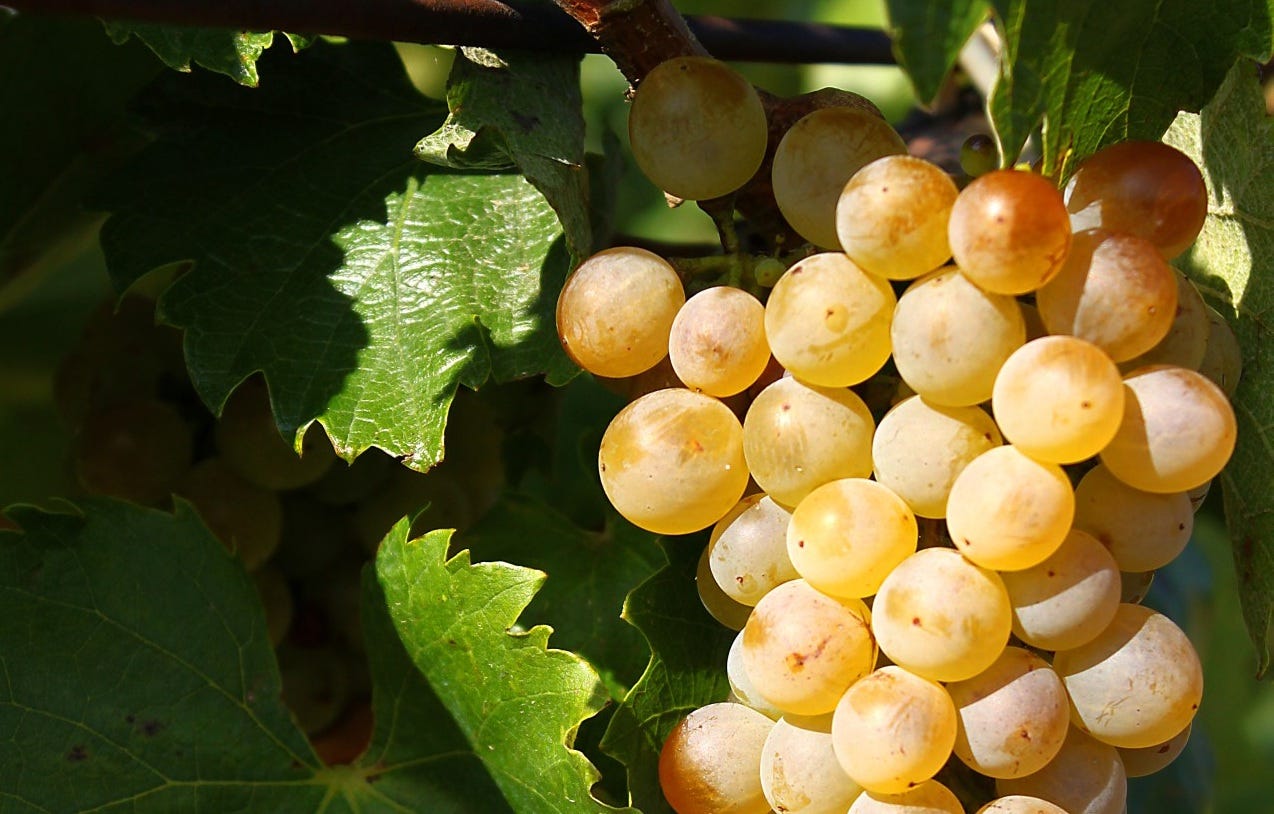
Furmint is Hungary’s most historically and viticulturally significant grape variety. Native to the Carpathian Basin, it is closely tied to the Tokaj region in northeastern Hungary, where it underpins both sweet and dry wines. While its fame rests on the botrytized Tokaji Aszú, a wine praised since the 17th century, recent decades have seen growing interest in dry Furmint styles that highlight the grape’s structure and longevity.
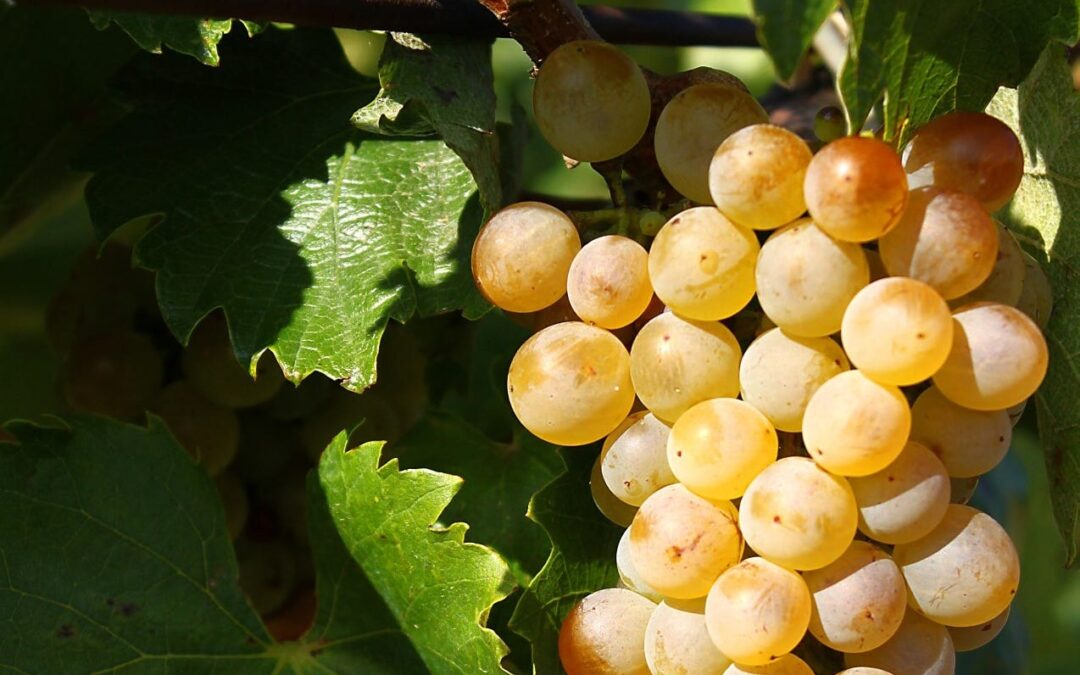
Furmint likely originated in Tokaj, though genetic studies suggest links to Gouais Blanc and some Balkan varieties. The name may derive from the French froment, meaning wheat, a nod to the grape’s golden hue at ripeness. Historical mentions date back to the 13th century; by the 16th, it had become the region’s dominant white variety.
Furmint’s defining trait is its high acidity, which makes it ideal for late-harvest and botrytized wines. In Tokaji Aszú, it is typically blended with Hárslevelű and Sárgamuskotály (Muscat Blanc à Petits Grains), but Furmint provides the backbone due to its structure and ability to retain freshness. These wines, among the first to be classified in the world, were once favored in European royal courts.
Under socialist-era winemaking, sweet wines remained the focus, but Hungary’s post-communist wine revival brought a shift. Small producers began crafting dry Furmint, drawn to its thick skins, low yields, and sensitivity to terroir. These dry wines often show notes of green apple, quince, citrus peel, and sometimes a smoky or saline edge, especially from vineyards on Tokaj’s volcanic soils.
The grape thrives in Tokaj’s continental climate, with long autumns ideal for noble rot. It ripens late and is prone to mildew and botrytis, requiring careful vineyard work. Commonly planted on volcanic and loess soils, Furmint expresses site-specific minerality, making it appealing to producers focused on single-vineyard bottlings.
Though Tokaj is its heartland, Furmint is also grown in Somló and around Lake Balaton. Some Austrian and Slovak producers have experimented with it, but Hungary remains its core.
Today, Furmint is undergoing a quiet transformation. Improved clonal material, vineyard management, and vinification techniques are expanding its range. While its legacy is tied to sweet Tokaji, its future may lie equally in its dry, structured, age-worthy expressions.
Image Credit: https://wikimedia.org
_ _ _
© CHURRASCO PHUKET STEAKHOUSE / ALL RIGHTS RESERVED
Reprinting, reposting & sharing allowed, in exchange for a backlink and credits
Churrasco Phuket Steakhouse serves affordable Wagyu and Black Angus steaks and burgers. We are open daily from 12noon to 11pm at Jungceylon Shopping Center in Patong / Phuket.
We are family-friendly and offer free parking and Wi-Fi for guests. See our menus, reserve your table, find our location, and check all guest reviews here:
https://ChurrascoPhuket.com/
#Churrascophuket #jungceylon #phuketsteakhouse #affordablewagyu #wagyu