by Ross Kingsley | Feb 9, 2025 | KNOWLEDGE: MEAT ESSENTIALS
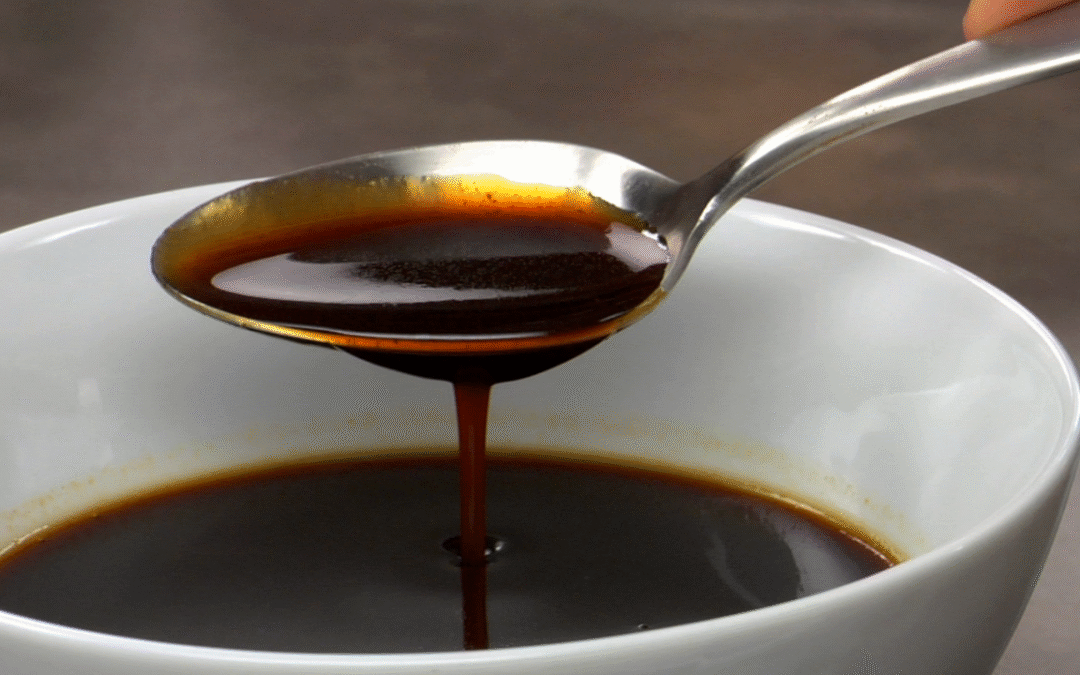
Demi-glace is a traditional meat-based French sauce known for its deep flavor and smooth texture. It is often used to enhance meats, stews, and other dishes. The name “demi-glace” means “half glaze,” referring to the process of reducing a stock and sauce into a thicker, more concentrated liquid.
Origins and History
Demi-glace has its roots in French cooking from the 17th and 18th centuries. Chefs like François Pierre La Varenne and later Auguste Escoffier developed and refined the techniques for making it. By the 19th century, demi-glace had become a key part of French cuisine, especially in fine dining.
Made With Meat
The sauce is made using a brown stock, typically prepared from roasted veal or beef bones, along with vegetables like carrots, onions, and celery. These ingredients are slowly simmered to extract flavor and gelatin, giving the sauce its rich taste and smooth texture. Traditionally, beef plays a pivotal role in the process, providing the foundation for the sauce’s signature flavor. This mixture is cooked and reduced until it reaches the right consistency. The process takes time and attention to detail, as the slow reduction allows the flavors to develop fully.
Uses and Variations
Demi-glace is used in many dishes. It can be served over steak or other meats, added to stews for extra flavor, or used as a base for other sauces like Bordelaise or Chasseur. Around the world, cooks have adapted it by using different stocks, such as chicken or fish, or even creating vegetarian versions for plant-based diets.
Why It’s Still Popular
Demi-glace continues to be an important part of cooking, valued for its ability to add flavor and texture to dishes. Whether made with traditional ingredients or adapted for modern diets, this sauce remains a versatile and practical tool in the kitchen. Its long history and adaptability ensure its place in cooking traditions today.
Image Credit: https://rouxbe.com/recipes/81-demi-glace-glace-de-viande
_ _ _
© CHURRASCO PHUKET STEAKHOUSE / ALL RIGHTS RESERVED
>>> Reprinting, reposting & sharing allowed, in exchange for a backlink and credits <<<
Churrasco Phuket Steakhouse serves affordable Wagyu and Black Angus steaks and burgers. We are open daily from 12noon to 11pm at Jungceylon Shopping Center in Patong / Phuket.
We are family-friendly and offer free parking and Wi-Fi for guests. See our menus, reserve your table, find our location, and check all reviews here:
https://ChurrascoPhuket.com/
#Churrascophuket #jungceylon #phuketsteakhouse #affordablewagyu #wagyu
by Ross Kingsley | Feb 9, 2025 | KNOWLEDGE: MEAT ESSENTIALS
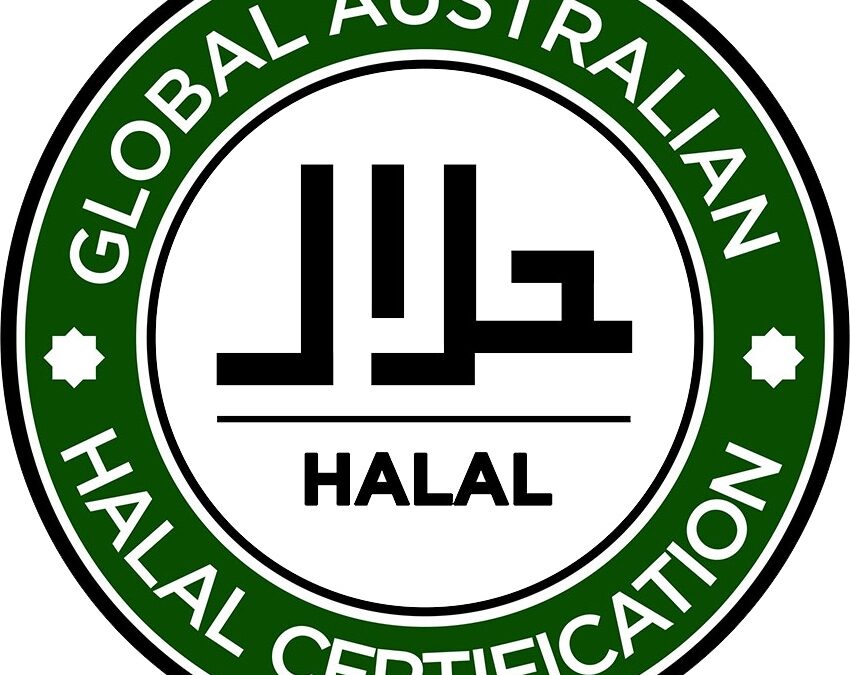
Halal beef refers to meat from cattle that adheres to Islamic dietary laws, as prescribed by the Quran. The word “Halal” means “permissible” in Arabic, and it defines what Muslims are allowed to eat, ensuring that the food complies with both physical and spiritual cleanliness. Halal meat, including beef, is distinct because of the way the animal is treated and slaughtered.
For beef to be considered Halal, the animal must be healthy at the time of slaughter. It is crucial that a trained individual performs the slaughtering by invoking the name of Allah and using a sharp knife to swiftly complete the process. This process allows the blood to drain, as blood is considered impure in Islam. The focus on humane treatment and minimizing the animal’s suffering underscores the ethical considerations embedded in Halal practices.
The origins of Halal meat date back to the time of Prophet Muhammad in the 7th century. The dietary laws were established not only as a means of spiritual discipline but also for health reasons. The prohibition of certain foods, like pork or improperly slaughtered animals, and the emphasis on cleanliness reflected a comprehensive approach to hygiene and ethics.
Today, Halal beef is widely consumed by over 1.9 billion Muslims globally. It is not only a religious obligation but also a symbol of ethical farming and food production. As the demand for Halal products grows, many producers – like all suppliers to Churrasco Phuket Steakhouse – have adopted certification processes to ensure their products meet these strict standards. Halal beef is more than just meat—it’s a commitment to faith, ethical treatment of animals, and quality food production.
_ _ _
© Churrasco PHUKET STEAKHOUSE / ALL RIGHTS RESERVED
Churrasco Phuket Steakhouse serves affordable Wagyu and Black Angus steaks and burgers. We are open daily from 12noon to 11pm at Jungceylon Shopping Center in Patong / Phuket.
We are family-friendly and offer free parking and WiFi for guests. See our menus, reserve your table, find our location, and check all reviews here:
https://Churrascophuket.com/
#Churrascophuket #jungceylon #phuketsteakhouse #affordablewagyu #wagyu
Share
PreviousNext
by Ross Kingsley | Jan 19, 2025 | KNOWLEDGE: MEAT ESSENTIALS
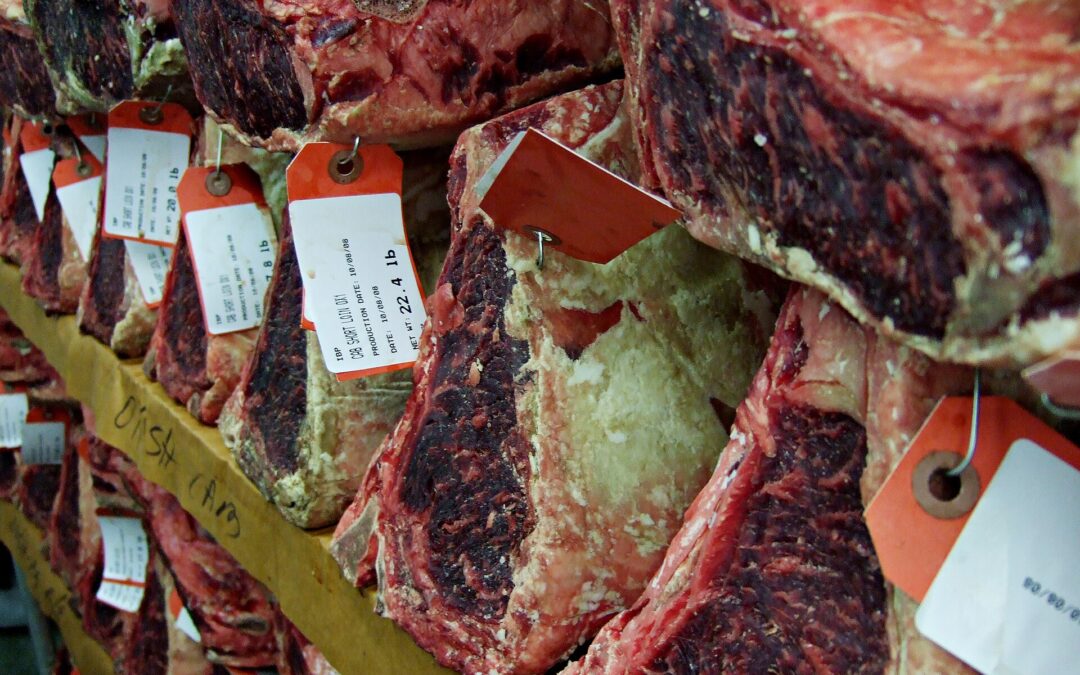
Dry aging is a centuries-old technique used to enhance beef. The process involves storing large cuts of beef in a temperature- and humidity-controlled environment for several weeks, allowing “noble rot”, and for natural enzymes to break down muscle tissue to improve tenderness and intensifying the meat’s flavor.
Benefits of Dry Aging
The primary benefit of dry aging is “flavor development”. As the beef loses moisture over time, its flavors become more concentrated, resulting in a richer and nuttier taste that many connoisseurs describe as special. Additionally, the enzymatic breakdown of proteins enhances tenderness, creating a buttery texture. These qualities make dry-aged beef a luxurious choice for some steak lovers.
Risks and Dangers
Despite its benefits, dry aging comes with high risks. The process requires extremely precise control of temperature, constant humidity of 85%, and precise air circulation to prevent the growth of harmful bacteria and mold. Improper conditions lead to spoilage, food poisoning, and significant product loss. Moreover, as the beef dehydrates, it loses up to 30% of its weight, making it less cost-effective compared to other aging methods.
Dry Aging vs. Wet Aging
Dry aging is contrasted with wet aging, a more modern and cost-efficient method. Wet aging involves vacuum-sealing beef in plastic packaging, allowing it to tenderize in its own juices. Wet aging enhances tenderness and maintains weight. For restaurants and butchers, the choice between these methods often depends on their clientele’s preferences and willingness to pay a lot extra for a perceived “premium flavor”.
In Conclusion
Dry ageing is not a method employed at Churrasco Phuket Steakhouse. We instead focus on serving high-quality cuts of beef, always imported deep chilled, never frozen. The beef is then wet aged further in-house, and char-grilled to order when it is ready for use. Dry aging’s high cost, weight loss, and space requirements are considered counterproductive in a very busy steakhouse like Churrasco, which prioritizes consistency and accessibility for its diverse clientele.
By sourcing top-grade beef and preparing it with expert techniques, Churrasco Phuket delivers exceptional flavor and tenderness without the added complications of dry aging, ensuring every guest enjoys a world-class dining experience. Our excellent guest reviews on Google, Tripadvisor or Facebook are proof of the validity of our approach.
Image Credit:
https://en.wikipedia.org
_ _ _
© CHURRASCO PHUKET STEAKHOUSE / ALL RIGHTS RESERVED
>>> Reprinting, reposting & sharing allowed, in exchange for a backlink and credits <<<
Churrasco Phuket Steakhouse serves affordable Wagyu and Black Angus steaks and burgers. We are open daily from 12noon to 11pm at Jungceylon Shopping Center in Patong / Phuket.
We are family-friendly and offer free parking and Wi-Fi for guests. See our menus, reserve your table, find our location, and check all reviews here:
https://ChurrascoPhuket.com/
#Churrascophuket #jungceylon #phuketsteakhouse #affordablewagyu #wagyu
by Ross Kingsley | Jan 15, 2025 | KNOWLEDGE: MEAT ESSENTIALS
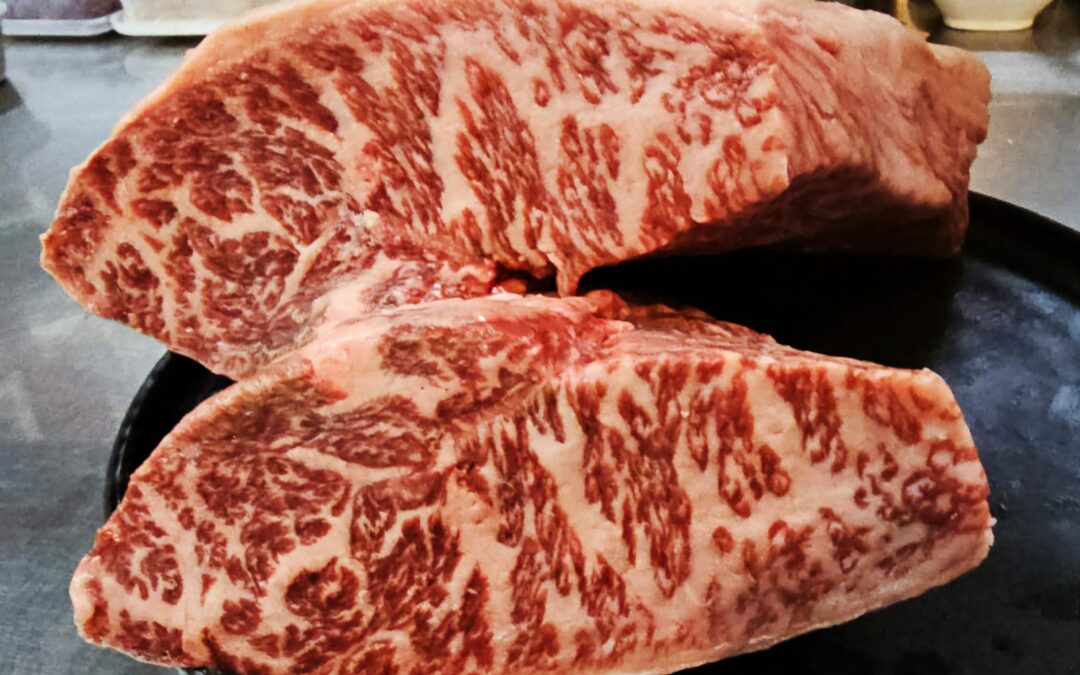
Wagyu beef is celebrated worldwide for its rich marbling, buttery texture, and unparalleled flavor. However, not all Wagyu is graded the same way, as Japan and Australia, two of the largest producers, employ distinct grading systems. Understanding these systems provides deeper insight into what makes Wagyu so special.
The Japanese Grading System
Japan’s Wagyu grading system, overseen by the Japan Meat Grading Association (JMGA), is globally renowned for its precision. The system evaluates two primary factors: yield grade and meat quality grade.
-
Yield Grade: This measures the ratio of usable meat to the total carcass weight, rated as A, B, or C, with “A” representing the highest yield.
-
Meat Quality Grade: This evaluates four aspects: marbling, meat color and brightness, firmness and texture, and fat quality. Each aspect is graded on a scale of 1 to 5, with 5 being the best. The final grade combines the yield grade and meat quality grade (e.g., A5, the highest possible score).
The Beef Marbling Standard (BMS) is a crucial part of the quality assessment, ranging from 1 to 12. A5 beef typically requires a BMS score of 8-12, showcasing intense marbling.
This meticulous system ensures only the most exceptional beef achieves the prestigious A5 status, often synonymous with premium Japanese Wagyu like Kobe or Matsusaka.
The Australian Grading System
Australia, a leading Wagyu exporter, uses a different grading system governed by the Meat Standards Australia (MSA) program. The focus here is on marbling, meat quality, and eating experience.
-
Marbling Score: Australia’s system evaluates marbling on a scale of 0 to 9, with 9 indicating the most intricate fat distribution. Higher grades like 9+ are sometimes used for extremely well-marbled beef.
-
AUS-MEAT and MSA Grading: These systems assess traits like meat color, fat color, firmness, and rib-eye shape. The MSA also incorporates consumer testing to ensure the beef delivers a consistent eating experience.
Unlike Japan’s A5 system, Australian Wagyu often includes additional terms like “MB9+” or “Fullblood,” providing transparency regarding the purity of Wagyu genetics and marbling score.
Comparing the Two
Japan’s system emphasizes precision and tradition, while Australia’s system is broader, catering to global markets with varied preferences. Both systems, however, guarantee premium beef and highlight the craftsmanship involved in producing Wagyu.
Whether indulging in A5 Wagyu from Japan or MB9+ from Australia, understanding these systems enhances appreciation for this luxurious beef. Both deliver a carnivore experience that’s truly unparalleled.
Image Credit: https://churrascophuket.com/menus (Wagyu Picanha Steak)
_ _ _
© CHURRASCO PHUKET STEAKHOUSE / ALL RIGHTS RESERVED
>>> Reprinting, reposting & sharing allowed, in exchange for a backlink and credits <<<
Churrasco Phuket Steakhouse serves affordable Wagyu and Black Angus steaks and burgers. We are open daily from 12noon to 11pm at Jungceylon Shopping Center in Patong / Phuket.
We are family-friendly and offer free parking and Wi-Fi for guests. See our menus, reserve your table, find our location, and check all reviews here:
https://ChurrascoPhuket.com/
#Churrascophuket #jungceylon #phuketsteakhouse #affordablewagyu #wagyu
by Ross Kingsley | Jan 15, 2025 | KNOWLEDGE: MEAT ESSENTIALS
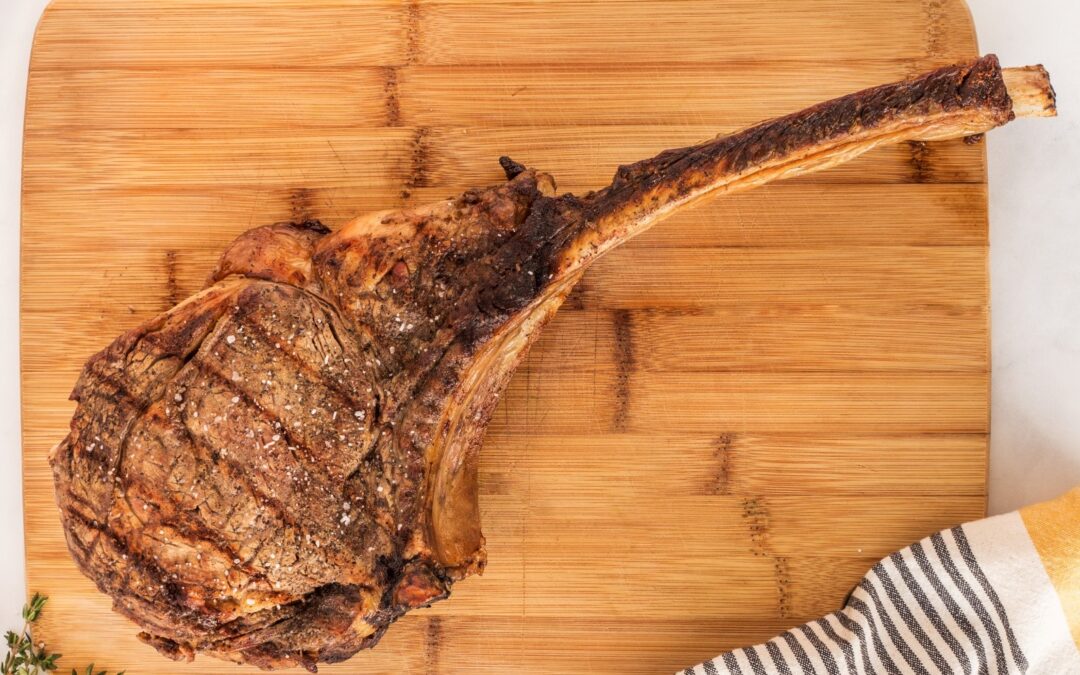
The Tomahawk steak has become a symbol of indulgence and luxury in the culinary world. With its dramatic presentation—resembling a Tomahawk axe due to the long, Frenched rib bone—this cut has taken center stage in steakhouses and social media feeds. However, beyond its aesthetic appeal lies a question that discerning diners are beginning to ask: are you paying for the steak or the show?
A Tomahawk steak is essentially a Ribeye with an extended bone left intact, creating its signature look. While the ribeye itself is prized for its marbling and flavor, the bone adds no real culinary value. It does, however, add significant weight to the cut. Since most steaks are sold by weight, diners often pay for the hefty bone as part of the price, even though it doesn’t end up on the plate. This has led some critics to call the Tomahawk steak a “marketing gimmick,” designed to inflate prices while offering little more than an Instagram-worthy presentation.
The cost of a Tomahawk steak can be eye-watering. In high-end steakhouses, they often fetch double or triple the price of a boneless ribeye of the same size. While some chefs argue that the bone helps retain moisture or enhance flavor during cooking, scientific evidence for these claims is limited. Most agree that the appeal is largely visual.
Churrasco Phuket Steakhouse does not serve any steaks on the bone. We believe in provide maximum value for money, under our motto “Affordable Wagyu & Black Angus Steaks”. Despite the cost, the Tomahawk steak remains a popular choice for celebrations and special occasions. Its size, dramatic plating, and primal aesthetic make it a conversation starter. For some, the experience is worth the price. For others, it’s a reminder of what they’re really paying for – flavor or flair …
Image Credit: https://bbqingwiththenolands.com
_ _ _
© CHURRASCO PHUKET STEAKHOUSE / ALL RIGHTS RESERVED
>>> Reprinting, reposting & sharing allowed, in exchange for a backlink and credits <<<
Churrasco Phuket Steakhouse serves affordable Wagyu and Black Angus steaks and burgers. We are open daily from 12noon to 11pm at Jungceylon Shopping Center in Patong / Phuket.
We are family-friendly and offer free parking and Wi-Fi for guests. See our menus, reserve your table, find our location, and check all reviews here:
https://ChurrascoPhuket.com/
#Churrascophuket #jungceylon #phuketsteakhouse #affordablewagyu #wagyu
by Ross Kingsley | Jan 15, 2025 | KNOWLEDGE: MEAT ESSENTIALS
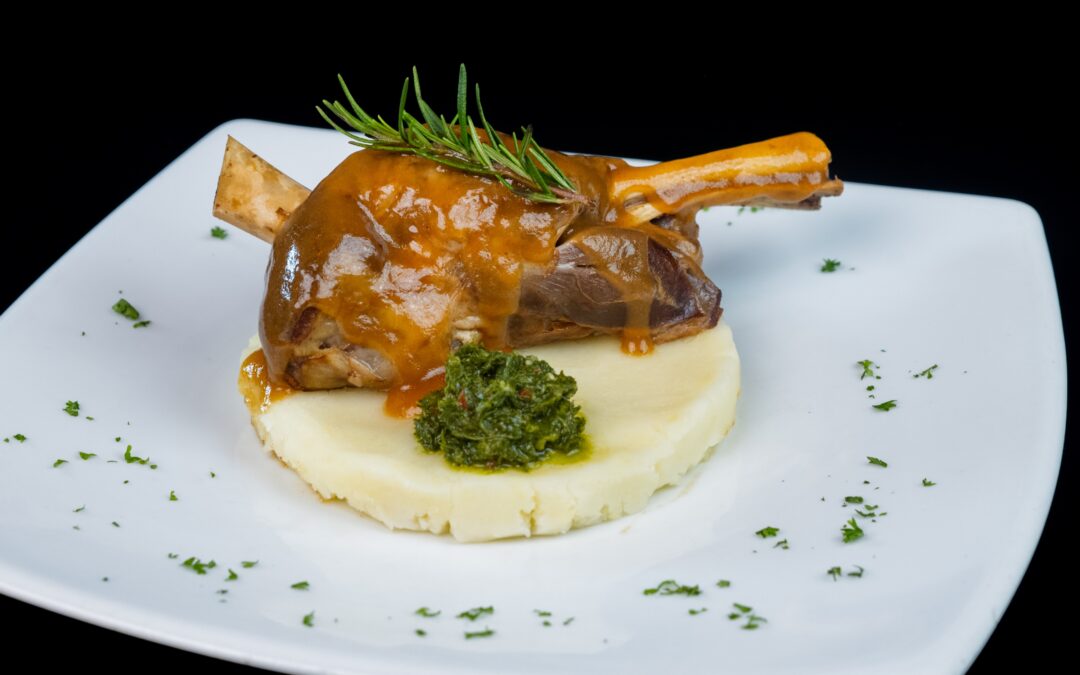
Lamb shank, the flavorful cut of meat from the lower part of a lamb’s leg, has earned a cherished place in kitchens worldwide. Its distinct taste and tender texture make it an ideal candidate for slow-cooking methods, which break down the connective tissue and unlock its full potential.
The primary cooking method for lamb shank is braising. This technique involves searing the shank to develop a rich, caramelized crust, then simmering it slowly in a liquid base. The braising liquid often consists of stock, wine, herbs, and vegetables, infusing the meat with deep, complex flavors. The result is a fork-tender dish that melts in the mouth.
Culinary traditions worldwide have embraced lamb shank, each infusing it with unique local flavors. In the Middle East, lamb shanks are a staple of comfort food, often prepared with aromatic spices like cinnamon, cardamom, and saffron. Served with rice or flatbreads, dishes such as Persian baghali polo elevate lamb shank to festive status.
In Europe, lamb shank shines in Mediterranean cuisines. Greek kleftiko features lamb shanks slow-cooked with garlic, lemon, and herbs, creating a tender, aromatic dish. Italian kitchens celebrate lamb shanks in rustic stews and braised dishes.
Latin America offers its own vibrant take on lamb shank. In Argentina, slow-braised lamb shank, known as Cordero Estofado, is cooked with red wine, tomatoes, and regional spices, reflecting the country’s love for hearty, rustic flavors. In Mexico, lamb shanks are often marinated with chiles, cumin, and lime, then slow-cooked to perfection in traditional clay pots.
From the fragrant spices of the Middle East to the robust wines of Latin America, lamb shank serves as a canvas for culinary creativity. Its global adaptations celebrate both its versatility and the rich traditions that make it a timeless classic.
Image Credit: https://churrascophuket.com/menus
_ _ _
© CHURRASCO PHUKET STEAKHOUSE / ALL RIGHTS RESERVED
>>> Reprinting, reposting & sharing allowed, in exchange for a backlink and credits <<<
Churrasco Phuket Steakhouse serves affordable Wagyu and Black Angus steaks and burgers. We are open daily from 12noon to 11pm at Jungceylon Shopping Center in Patong / Phuket.
We are family-friendly and offer free parking and Wi-Fi for guests. See our menus, reserve your table, find our location, and check all reviews here:
https://ChurrascoPhuket.com/
#Churrascophuket #jungceylon #phuketsteakhouse #affordablewagyu #wagyu
