by Ross Kingsley | May 11, 2025 | DECODING GRAPES: FROM VINES TO VINTAGE
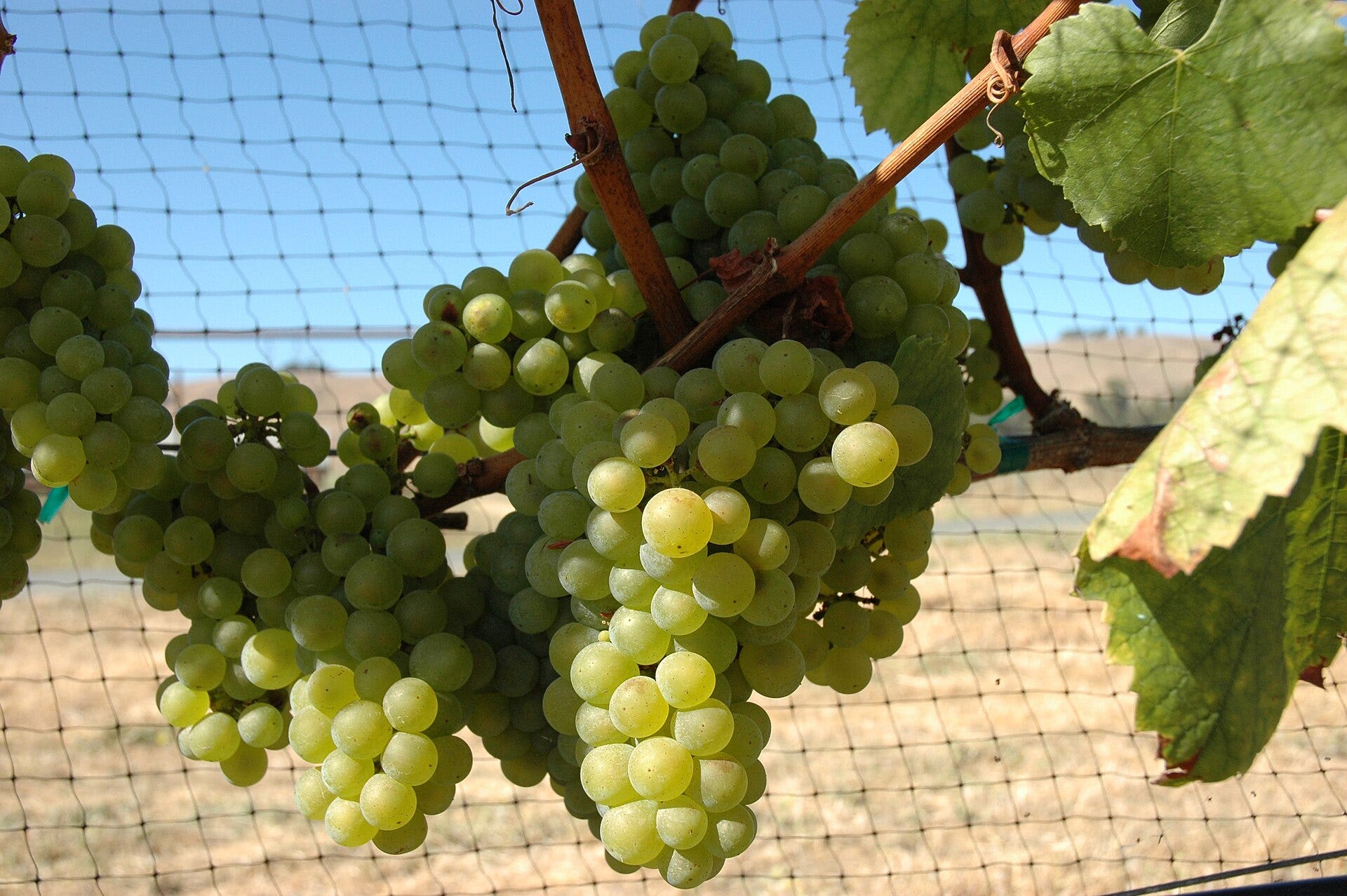
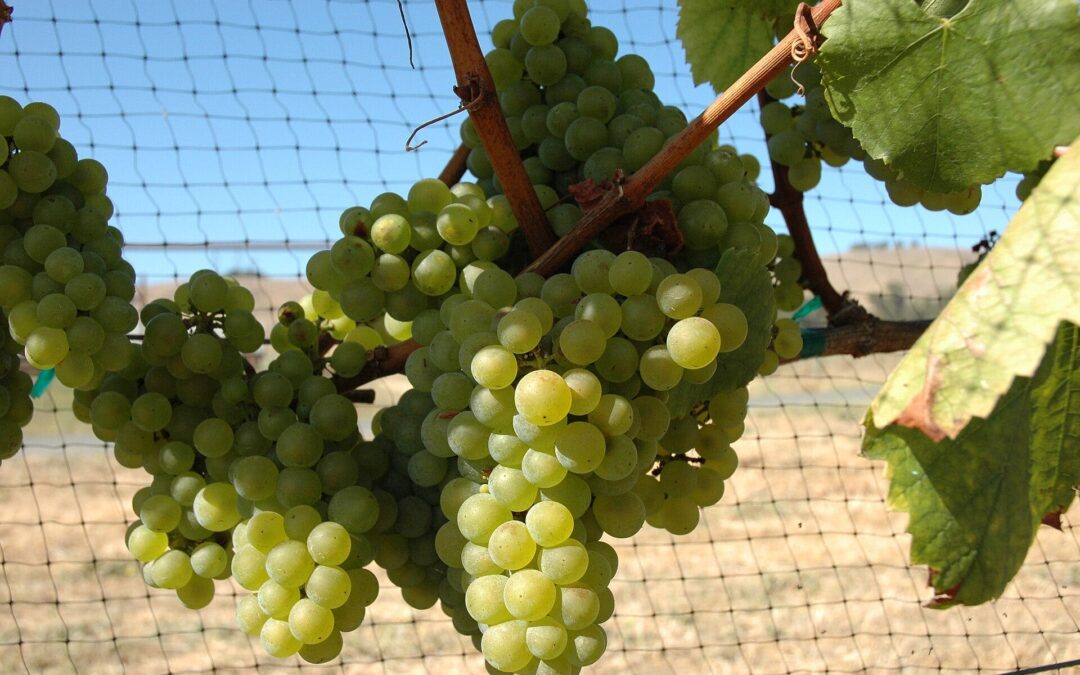
Chardonnay, often dubbed the “Queen of White Wines,” is one of the most popular and versatile grape varieties in the world. Its ability to adapt to different climates and winemaking styles has cemented its place as a cornerstone of global viticulture. From its historical roots to its modern-day acclaim, Chardonnay is a grape worth knowing.
Origins and History
Chardonnay originates from the Burgundy region of France, where it has been cultivated for centuries. It is believed to be a natural cross between Pinot Noir and Gouais Blanc, a now-rare grape variety. The first records of Chardonnay date back to the 14th century, though its fame spread far beyond Burgundy over time.
By the 20th century, Chardonnay had become synonymous with high-quality white wines. Its ability to reflect terroir—showcasing the nuances of the soil, climate, and winemaking techniques—made it a favorite among producers and consumers alike.
Famous Wines Using Chardonnay
Chardonnay is the foundation of many iconic wines. In Burgundy, it is the star of renowned appellations like Chablis, Meursault, and Puligny-Montrachet, known for their crisp acidity and mineral-driven profiles. In Champagne, Chardonnay plays a crucial role, often being the sole grape in Blanc de Blancs, offering elegance and finesse to sparkling wines.
Beyond France, Chardonnay has found fame in regions like California, where producers in Napa Valley and Sonoma craft rich, oak-aged styles with notes of butter and tropical fruit. Australia’s Yarra Valley and Margaret River are also celebrated for their distinctive Chardonnays, often striking a balance between fruit-forwardness and minerality.
Geographical Reach
Chardonnay’s adaptability is unparalleled. It thrives in a range of climates, from the cool, limestone-rich soils of Burgundy to the sun-drenched vineyards of Chile and South Africa. Countries like Italy, New Zealand, and Argentina have also embraced the grape, each offering unique expressions.
In cooler climates, Chardonnay often exhibits flavors of green apple, citrus, and white flowers. Warmer regions bring out tropical notes of pineapple, mango, and ripe peach. The winemaking approach—whether unoaked or aged in barrels—further diversifies its profile.
Conclusion
Whether you prefer a zesty Chablis or a creamy California Chardonnay, this grape has something for every palate. Its rich history, global reach, and remarkable versatility make it a cornerstone of wine culture and a true delight for enthusiasts worldwide.
Image Credit: Wikipedia.org
_ _ _
© CHURRASCO PHUKET STEAKHOUSE / ALL RIGHTS RESERVED
>>> Reprinting, reposting & sharing allowed, in exchange for a backlink and credits <<<
Churrasco Phuket Steakhouse serves affordable Wagyu and Black Angus steaks and burgers. We are open daily from 12noon to 11pm at Jungceylon Shopping Center in Patong / Phuket.
We are family-friendly and offer free parking and Wi-Fi for guests. See our menus, reserve your table, find our location, and check all reviews here:
https://ChurrascoPhuket.com/
#Churrascophuket #jungceylon #phuketsteakhouse #affordablewagyu #wagyu
by Ross Kingsley | May 4, 2025 | DECODING GRAPES: FROM VINES TO VINTAGE
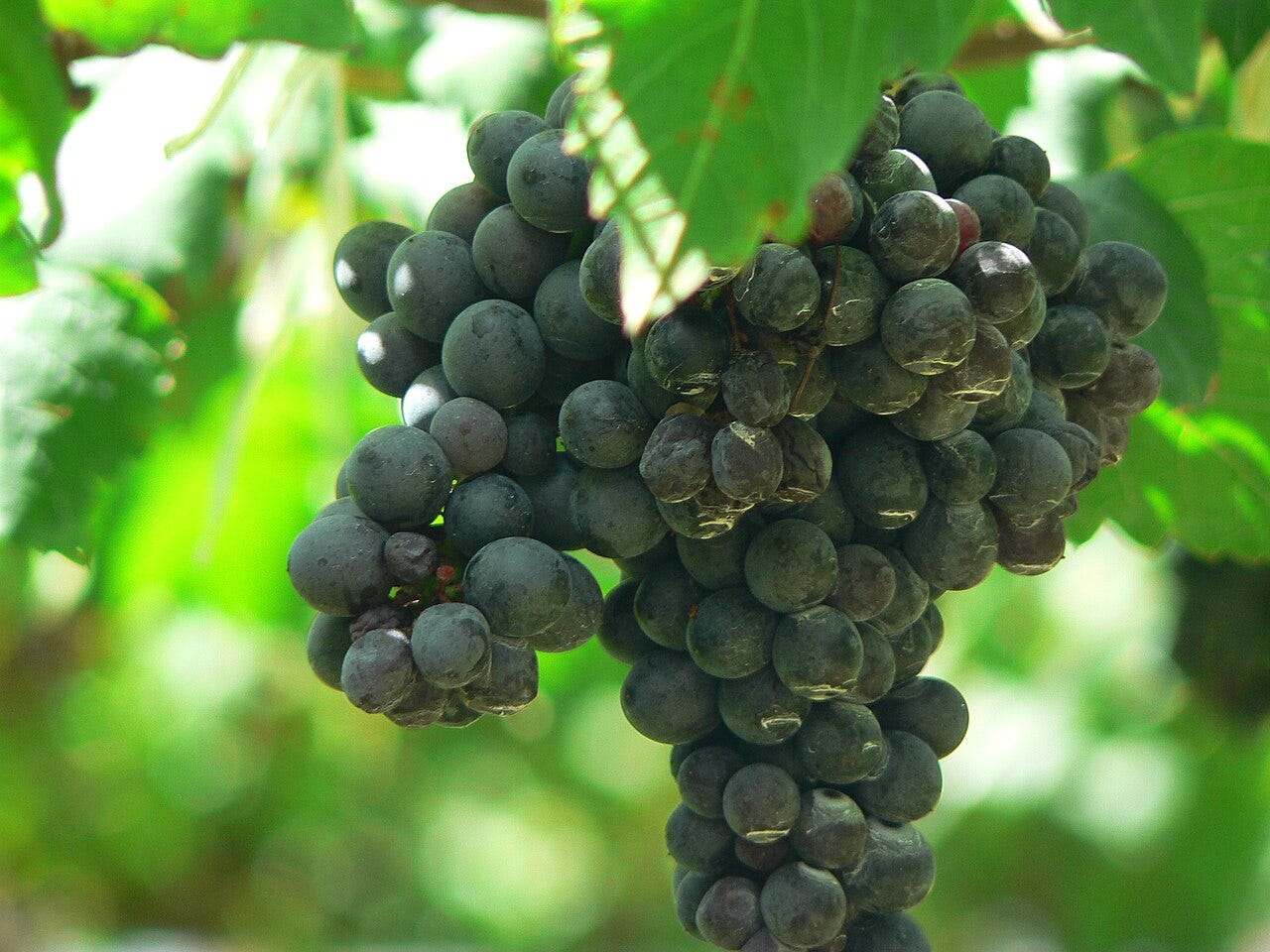
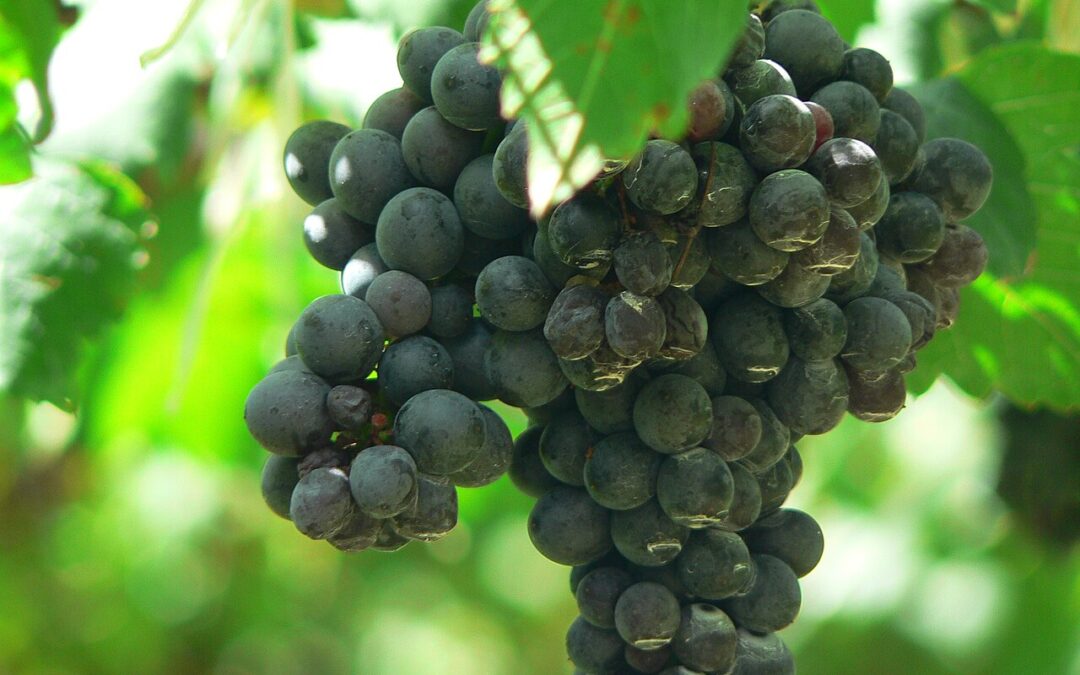
Shiraz, also known as Syrah, is a grape variety with a journeyed history. While the two names are used interchangeably, they hint at the grape’s diverse characteristics and geographical origins. Let’s uncork the history, explore its famous wines, and trace its global footprint.
Origins and History
The Syrah grape traces its roots to the Rhône Valley in France, where it has thrived for centuries. DNA profiling in the late 20th century revealed that Syrah is a cross between two obscure varieties: Dureza and Mondeuse Blanche. While myths once claimed origins in Iran (specifically the city of Shiraz), these tales have been debunked. However, the Persian connection may have inspired the alternative name.
French winemakers nurtured Syrah into a robust and versatile grape, but its journey didn’t end there. When it reached Australian shores in the 19th century, it adopted the name Shiraz. The hot climate of regions like Barossa Valley and McLaren Vale brought out bold, fruit-forward expressions of the grape, giving Shiraz its distinct identity.
Famous Wines
In France, Syrah is a cornerstone of some of the world’s most prestigious wines. The northern Rhône is its spiritual home, where appellations like Hermitage and Côte-Rôtie showcase its elegance. These wines often exhibit notes of black fruit, pepper, and a touch of smokiness, paired with firm tannins and excellent aging potential.
On the other side of the world, Australian Shiraz tells a different story. Barossa Valley Shiraz is known for its opulent flavors of blackberry, plum, chocolate, and spice, often with a velvety texture. Other regions like Hunter Valley and Heathcote offer diverse interpretations, ranging from vibrant and medium-bodied to rich and powerful.
Beyond France and Australia, Syrah/Shiraz has found success in California, South Africa, and Chile. In each region, local terroir shapes the wine’s profile, but the grape’s intrinsic qualities—intensity, structure, and depth—shine through.
Geographical Reach
Today, Syrah/Shiraz is one of the most widely planted grape varieties. From Europe’s classic vineyards to New World hotspots, it has adapted to varied climates and soils. South Africa produces Shiraz with smoky, earthy tones, while Chile’s cool-climate Syrah boasts red fruit and herbal nuances.
Whether you prefer the refined Syrah of France or the bold Shiraz of Australia, this versatile grape offers a world of flavors to explore. Its rich history and global presence ensure its place as a favorite among wine lovers.
Image Credit: Wikipedia.org
_ _ _
© CHURRASCO PHUKET STEAKHOUSE / ALL RIGHTS RESERVED
>>> Reprinting, reposting & sharing allowed, in exchange for a backlink and credits <<<
Churrasco Phuket Steakhouse serves affordable Wagyu and Black Angus steaks and burgers. We are open daily from 12noon to 11pm at Jungceylon Shopping Center in Patong / Phuket.
We are family-friendly and offer free parking and Wi-Fi for guests. See our menus, reserve your table, find our location, and check all reviews here:
https://ChurrascoPhuket.com/
#Churrascophuket #jungceylon #phuketsteakhouse #affordablewagyu #wagyu
by Ross Kingsley | Apr 27, 2025 | DECODING GRAPES: FROM VINES TO VINTAGE
Cabernet Sauvignon, often hailed as the “king of red grapes,” is a varietal that has shaped the wine industry with its bold flavors and remarkable versatility. Whether you’re a seasoned oenophile or a casual wine enthusiast, understanding this grape’s origins, history, and influence can deepen your appreciation of the wines it creates.
Origins and History
The story of Cabernet Sauvignon begins in the 17th century in France, where it emerged as a natural cross between Cabernet Franc and Sauvignon Blanc. This unassuming genesis gave rise to one of the most celebrated grape varieties in the world. Initially cultivated in the Bordeaux region, Cabernet Sauvignon quickly gained prominence due to its resilience and adaptability.
Its thick-skinned berries and ability to thrive in various climates made it a favorite among winemakers. The grape’s natural affinity for oak aging allowed it to develop complex flavors, ranging from blackcurrant and plum to tobacco and cedar. Over time, it became a cornerstone of Bordeaux’s renowned blends, particularly in the Médoc region.
Famous Wines Featuring Cabernet Sauvignon
Cabernet Sauvignon plays a starring role in some of the world’s most iconic wines. In Bordeaux, it dominates blends like those from Château Margaux, Château Latour, and Château Lafite Rothschild. These wines are known for their structure, age-worthiness, and nuanced flavors.
Beyond France, California has cemented its place as a Cabernet powerhouse, particularly in Napa Valley. Wines like those from Screaming Eagle and Opus One have achieved legendary status, offering opulent, fruit-forward expressions of the grape.
Australia’s Coonawarra region, with its terra rossa soils, produces Cabernet Sauvignon with distinctive eucalyptus and blackberry notes. Chile, particularly the Maipo Valley, delivers exceptional examples with a silky texture and minty undertones. Even emerging wine regions like South Africa and China have embraced the grape, crafting unique interpretations that showcase their terroir.
Geographical Reach
Cabernet Sauvignon is truly a global citizen. It thrives in diverse climates, from the cool vineyards of Washington State to the sun-drenched hills of Tuscany. Its adaptability allows winemakers to experiment, resulting in a wide spectrum of styles that cater to varying palates.
As you explore Cabernet Sauvignon, you’ll find that its rich history, broad geographical reach, and unparalleled versatility have secured its place as a cornerstone of the wine world. Each bottle tells a story of place, tradition, and innovation, inviting you to savor the legacy of this remarkable grape.
Image Credit: Wikipedia.org
_ _ _
© CHURRASCO PHUKET STEAKHOUSE / ALL RIGHTS RESERVED
>>> Reprinting, reposting & sharing allowed, in exchange for a backlink and credits <<<
Churrasco Phuket Steakhouse serves affordable Wagyu and Black Angus steaks and burgers. We are open daily from 12noon to 11pm at Jungceylon Shopping Center in Patong / Phuket.
We are family-friendly and offer free parking and Wi-Fi for guests. See our menus, reserve your table, find our location, and check all reviews here:
https://ChurrascoPhuket.com/
#Churrascophuket #jungceylon #phuketsteakhouse #affordablewagyu #wagyu
by Ross Kingsley | Apr 20, 2025 | DECODING GRAPES: FROM VINES TO VINTAGE
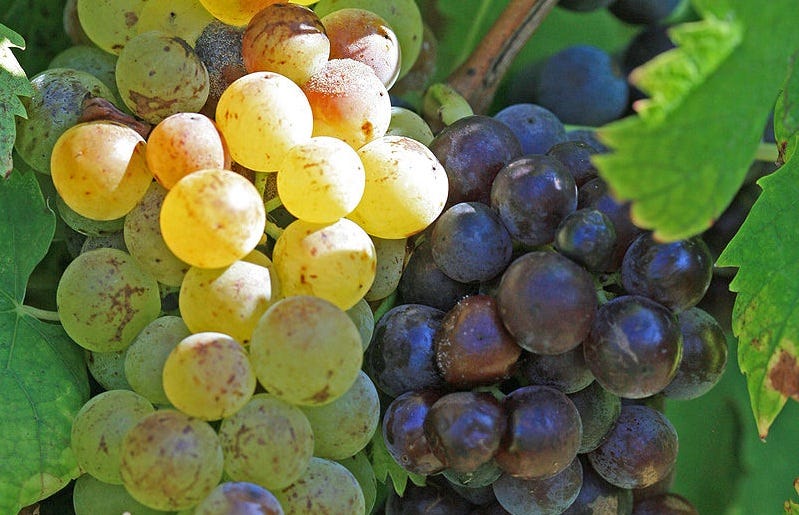
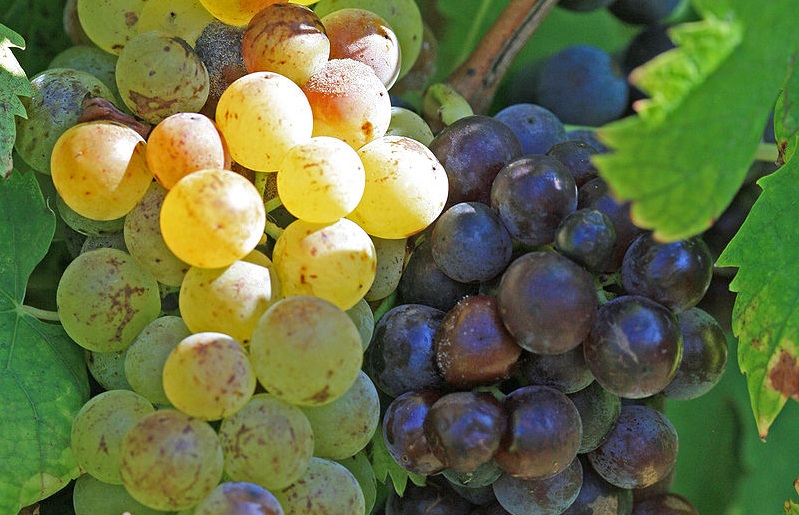
Muscat is one of the oldest and most versatile grape varieties in the world. It has captivated wine lovers for centuries with its rich history, diverse styles, and unmistakable aromatic profile, and is celebrated for its floral and fruity character.
Origins and History
The origins of Muscat can be traced back thousands of years to the Mediterranean basin and the Middle East, with evidence suggesting cultivation in ancient Egypt and Persia. Its name likely derives from the Latin “musca,” meaning “fly,” a nod to the grape’s sweetness that often attracted insects. Over centuries, Muscat spread across Europe and Asia, carried by traders, monks, and explorers who recognized its potential for producing everything from table wines to fortified treasures.
Muscat’s family is vast, with over 200 recognized varieties. Among them, Muscat Blanc à Petits Grains, Muscat of Alexandria, and Muscat Ottonel are the most prominent. Each type has unique characteristics, but all share the grape’s hallmark aromatic complexity.
Famous Wines
Muscat is a key ingredient in many iconic wines, renowned for its versatility in producing dry, sweet, sparkling, and fortified styles. Among the most celebrated examples is Moscato d’Asti from Italy’s Piedmont region. This lightly sparkling, sweet wine is cherished for its low alcohol content and flavors of peach, apricot, and honey.
In France, Muscat de Beaumes-de-Venise is a standout fortified wine, offering intense notes of orange blossom, rose, and tropical fruits. Greece’s Samos island produces luscious Muscat-based dessert wines, while South Africa’s Constantia famously incorporates Muscat in its rich, historic Vin de Constance.
Muscat’s adaptability extends to sparkling wines, with Asti Spumante and various Muscat-based offerings from Spain and Australia providing fresh, effervescent drinking experiences.
Geographical Reach
Today, Muscat is cultivated in virtually every major wine-producing region. It thrives in warm, sun-soaked climates, making it a favorite in Mediterranean countries like Italy, France, and Greece. Beyond Europe, Muscat flourishes in South Africa, Australia, and California, showcasing its ability to adapt to diverse terroirs.
This global footprint is a testament to Muscat’s universal appeal. Whether enjoyed as a fragrant dry white, a sweet dessert wine, or a lively sparkler, Muscat remains a cherished grape that bridges tradition and innovation in winemaking.
Conclusion
Muscat’s enduring legacy as a versatile and aromatic grape is undeniable. With its deep roots in history and its far-reaching influence, this remarkable grape continues to enchant wine enthusiasts across the globe. So next time you pour a glass, take a moment to savor the rich heritage behind every sip of Muscat.
Image Credit: Wikipedia.org
_ _ _
© CHURRASCO PHUKET STEAKHOUSE / ALL RIGHTS RESERVED
>>> Reprinting, reposting & sharing allowed, in exchange for a backlink and credits <<<
Churrasco Phuket Steakhouse serves affordable Wagyu and Black Angus steaks and burgers. We are open daily from 12noon to 11pm at Jungceylon Shopping Center in Patong / Phuket.
We are family-friendly and offer free parking and Wi-Fi for guests. See our menus, reserve your table, find our location, and check all reviews here:
https://ChurrascoPhuket.com/
#Churrascophuket #jungceylon #phuketsteakhouse #affordablewagyu #wagyu
by Ross Kingsley | Apr 13, 2025 | DECODING GRAPES: FROM VINES TO VINTAGE
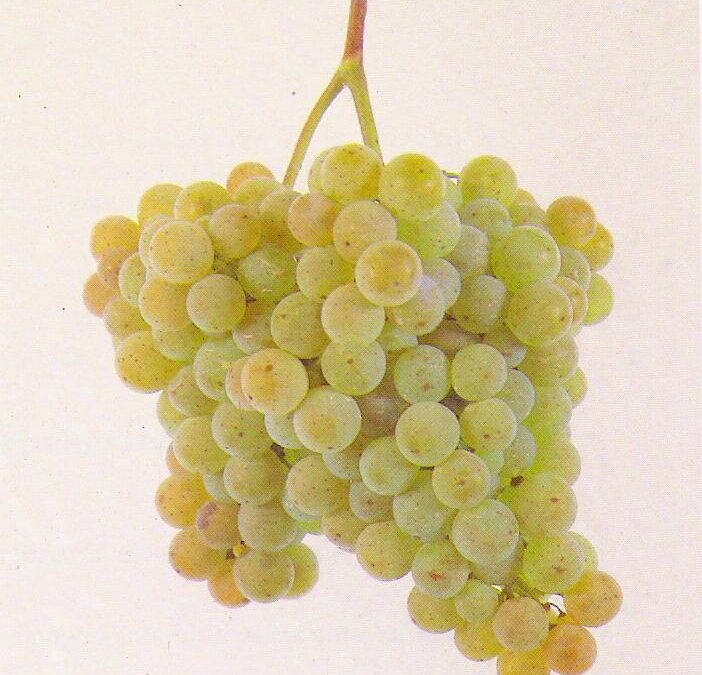
Albariño is a white grape variety native to the northwestern region of the Iberian Peninsula, primarily grown in Spain’s Rías Baixas (Galicia) and northern Portugal, where it’s known as Alvarinho. It’s best known for producing crisp, aromatic white wines with high acidity and vibrant citrus and stone fruit flavors, often with a touch of salinity that reflects its coastal origins.
In terms of style, Albariño is frequently compared to Sauvignon Blanc, though they differ in key ways: while both are fresh and zesty, Albariño tends to be slightly fuller-bodied and less overtly grassy or herbal than Sauvignon Blanc, leaning more toward stone fruits like peach and apricot than Sauvignon’s hallmark gooseberry and green pepper notes.
One of the defining traits of Albariño is its bright acidity, which makes it a natural companion to seafood—especially shellfish like oysters, clams, and scallops. This is no coincidence, given that it hails from a region where seafood dominates the local cuisine. Wines made from Albariño are usually fermented in stainless steel to preserve freshness and clarity of fruit, though a few producers experiment with lees aging or barrel fermentation to add depth and texture.
Albariño is generally bottled young and meant to be enjoyed within a few years of vintage. However, some high-quality examples show surprising aging potential, developing more complex, nutty characteristics over time. Still, for most consumers, Albariño is best appreciated for its freshness and straightforward appeal.
In contrast to Sauvignon Blanc—one of the world’s most widely planted white grape varieties—Albariño remains relatively niche on the global market, though its popularity has been growing. It offers a great alternative for white wine drinkers who enjoy crisp, food-friendly wines but are looking for something a little different. Its rise has been helped by sommeliers and wine bars looking to diversify their white wine lists beyond the usual suspects like Chardonnay, Pinot Grigio, and Sauvignon Blanc.
Price-wise, Albariño typically offers good value. Even top-tier bottles from Rías Baixas are often more affordable than similarly rated wines from more established regions. Consumers will often find bottles that punch way above their weight in terms of quality.
In summary, Albariño is a bright, refreshing white wine that stands out for its crisp acidity, clean fruit profile, and maritime character. If you enjoy Sauvignon Blanc but want something a touch rounder and more peach-driven—with less of the green or herbal edge—Albariño is worth exploring. It’s an ideal summer wine, a perfect match for seafood, and an easy way to broaden your white wine palate.
Image Credit: https://wikipedia.org
_ _ _
© CHURRASCO PHUKET STEAKHOUSE / ALL RIGHTS RESERVED
Reprinting, reposting & sharing allowed, in exchange for a backlink and credits
Churrasco Phuket Steakhouse serves affordable Wagyu and Black Angus steaks and burgers. We are open daily from 12noon to 11pm at Jungceylon Shopping Center in Patong / Phuket.
We are family-friendly and offer free parking and Wi-Fi for guests. See our menus, reserve your table, find our location, and check all guest reviews here:
https://ChurrascoPhuket.com/
#Churrascophuket #jungceylon #phuketsteakhouse #affordablewagyu #wagyu
by Ross Kingsley | Apr 6, 2025 | DECODING GRAPES: FROM VINES TO VINTAGE
Know Your Grape: Marselan
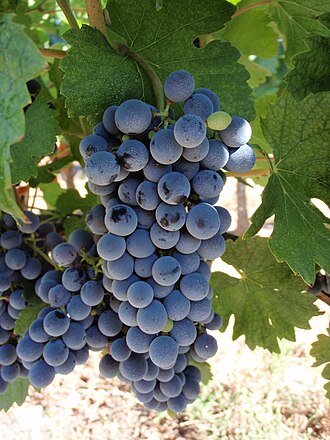
If you’re a wine enthusiast looking to expand your knowledge beyond the usual Cabernet Sauvignon and Merlot, it’s time to meet Marselan. This relatively new grape variety may not be as well-known as its more established counterparts, but it has been steadily gaining recognition for its unique balance of elegance and power. Whether you’re a casual wine drinker or a serious collector, Marselan is a grape worth exploring.
The Origins of Marselan
Marselan is a hybrid grape, the result of a cross between Cabernet Sauvignon and Grenache. It was created in 1961 by French scientist Paul Truel in the Languedoc region of southern France. The goal was to combine the structure and aging potential of Cabernet Sauvignon with the fruitiness and heat resistance of Grenache. Though initially overlooked due to its small berry size and lower yields, winemakers later discovered that Marselan produced high-quality wines with complex flavors.
For many years, Marselan remained a niche grape, used mainly in blending rather than as a standalone varietal. However, its ability to thrive in warm climates and produce well-structured wines with rich fruit character has led to its growing popularity. Today, Marselan is making a name for itself in both Old World and New World wine regions.
Where Marselan Grows
Originally cultivated in France, Marselan has since found a home in several wine-producing regions around the world. It thrives in warm climates, making it a popular choice in parts of Spain, China, Argentina, Brazil, and the United States.
In France, it is primarily grown in the Languedoc-Roussillon region, where winemakers have embraced it as part of their movement toward more climate-resilient grape varieties. In Spain, Marselan is gaining traction in regions like Catalonia, where it is valued for its ability to produce expressive, fruit-driven wines.
One of the most surprising developments in Marselan’s history is its rise in China. The country has embraced Marselan as a signature grape, with regions like Ningxia and Shandong producing high-quality wines from it. As China’s wine industry continues to grow, Marselan is expected to play a significant role in shaping the country’s global reputation for winemaking.
What Does Marselan Taste Like?
Marselan wines offer a compelling mix of characteristics from both of its parent grapes. The structure of Cabernet Sauvignon is evident in its fine tannins and aging potential, while the Grenache influence contributes to its bright fruit flavors and smooth texture. Expect a rich bouquet of ripe red and black fruits—think cherries, blackberries, and plums—alongside floral notes, spice, and hints of chocolate. The tannins are generally soft and velvety, making it an approachable wine even when young.
Depending on the region and winemaking style, Marselan can range from fruit-forward and easy-drinking to more complex and age-worthy. Some versions may display earthy, herbal, or smoky undertones, adding to the depth of flavor.
Food Pairings with Marselan
Thanks to its balanced profile, Marselan pairs well with a variety of foods. Its fruit-forward nature makes it a great match for grilled meats, particularly lamb, beef, and pork. It also complements Mediterranean cuisine, from ratatouille to roasted vegetables and aged cheeses.
For those who enjoy Asian flavors, Marselan can stand up to mildly spiced dishes without being overwhelmed. Dishes like Peking duck, teriyaki-glazed meats, or stir-fried beef with black bean sauce can all work beautifully with Marselan’s bold yet smooth character.
Why You Should Try Marselan
Marselan may not be as famous as other red grape varieties, but its versatility and quality make it a wine to watch. As more winemakers experiment with it, we’re likely to see even more refined expressions of this grape in the coming years.
Another reason to explore Marselan is its sustainability potential. With climate change posing challenges to traditional grape-growing regions, winemakers are increasingly looking for heat-resistant varieties. Marselan’s ability to withstand warm climates while maintaining acidity and balance makes it a strong candidate for the future of winemaking.
If you’re a wine lover seeking something different, Marselan offers an excellent alternative to more mainstream varietals. It provides the richness and structure of Cabernet Sauvignon but with a smoother, more fruit-driven appeal. Whether you enjoy it on its own or pair it with food, Marselan is a grape worth discovering.
Image Credit: https://wikipedia.org
_ _ _
© CHURRASCO PHUKET STEAKHOUSE / ALL RIGHTS RESERVED
Reprinting, reposting & sharing allowed, in exchange for a backlink and credits
Churrasco Phuket Steakhouse serves affordable Wagyu and Black Angus steaks and burgers. We are open daily from 12noon to 11pm at Jungceylon Shopping Center in Patong / Phuket.
We are family-friendly and offer free parking and Wi-Fi for guests. See our menus, reserve your table, find our location, and check all guest reviews here:
https://ChurrascoPhuket.com/
#Churrascophuket #jungceylon #phuketsteakhouse #affordablewagyu #wagyu