
History
Wine production in Malta dates back thousands of years. The Phoenicians introduced vines and viticulture to the islands as early as 800 BC. Later, Roman settlers expanded vineyard plantings and embedded wine in daily life and trade. During the Arab period, vine cultivation declined but was not erased. The arrival of the Knights of St John in the sixteenth century gave viticulture new momentum. The Knights encouraged planting, and wine was both consumed locally and traded across the Mediterranean.
In the nineteenth century, phylloxera devastated many European vineyards. Malta was affected less severely but nonetheless saw a restructuring of its vineyards. British colonial presence also influenced wine consumption patterns, introducing fortified wines and a taste for imported labels. For much of the twentieth century, Maltese wines were dominated by bulk production with limited international exposure. From the 1970s onward, investment in modern winemaking began to raise quality standards. EU membership in 2004 reinforced regulatory frameworks and introduced protected designations that helped shape Malta’s contemporary wine identity.
Appellations
Malta’s small land area and limited vineyard holdings mean its wine sector is compact yet regulated. Two designations now structure production: DOK (Denominazzjoni ta’ Origini Kontrollata) for wines from Malta and from Gozo, and IĠT (Indikazzjoni Ġeografika Tipika) for broader geographical wines. These frameworks mirror continental European models and provide producers with a clear labeling system.
The country’s warm Mediterranean climate, moderated by sea breezes, provides conditions well suited to both indigenous and international grape varieties. Rainfall is scarce in summer, making water management a critical aspect of viticulture. The limestone soils, ranging from deep clay to rocky outcrops, add further variation in vineyard expression.
Grape Varieties
Maltese vineyards host a mix of native and international grapes. The two principal indigenous varieties are Gellewza (red) and Girgentina (white). Gellewza has traditionally produced light reds and rosés, though modern vinification has shown its potential for more structured styles. Girgentina is valued for producing fresh white wines suited to local cuisine and climate.
Alongside these, international grapes dominate acreage. Cabernet Sauvignon, Merlot, Syrah, Grenache, and Chardonnay are widely planted. Viognier, Sauvignon Blanc, and Moscato have also found niches. Producers often use international grapes to make varietal wines for export markets, while native varieties remain an anchor for wines aimed at emphasizing Maltese heritage.
Main Wines
The Maltese portfolio today spans red, white, and rosé wines, with sparkling and sweet wines appearing in smaller volumes.
-
Red wines: Based largely on Merlot, Syrah, and Cabernet Sauvignon, often blended with Gellewza. These wines can range from youthful fruit-driven styles to more complex barrel-aged expressions.
-
White wines: Chardonnay leads, sometimes blended with Girgentina or Sauvignon Blanc. Whites often emphasize freshness and balance.
-
Rosé wines: Popular locally, produced mainly from Gellewza or blends with Syrah.
-
Sparkling wines: A niche category, often from Chardonnay and Girgentina, produced both by Charmat and traditional methods.
-
Sweet wines: Limited but present, sometimes from Moscato or late-harvested Girgentina.
The sector is led by a handful of major wineries, including Marsovin and Delicata, which operate extensive vineyard contracts and modern facilities. Smaller boutique producers have emerged, often highlighting native grapes and artisanal methods. Together, they ensure that Malta offers both commercial volumes and niche wines.
Market Reach
Malta’s domestic market is the principal outlet, with restaurants, hotels, and tourism driving demand. The local population is small, so visitor consumption plays an essential role in sustaining volumes. Cruise passengers, resort guests, and business travelers are introduced to Maltese wines, often leading to modest export opportunities.
Exports remain limited due to small production and high domestic demand. The United Kingdom, Italy, and northern European countries are the main external markets. Export strategies often focus on wines that emphasize Maltese origin and heritage, such as bottlings of Gellewza and Girgentina, while international varietals compete in broader markets.
Outlook
The Maltese wine industry stands at the intersection of history and modern practice. While volume will always be modest, there is space for growth in recognition, particularly through tourism and niche export markets. Trade professionals assessing Malta should note its dual identity: on one hand, a heritage of Gellewza and Girgentina, and on the other, a commercially viable range of international varietals. Its wines reflect a unique Mediterranean setting and a determined focus on consistent quality. For aficionados, Maltese wines represent a compact but distinctive addition to the wider European portfolio.
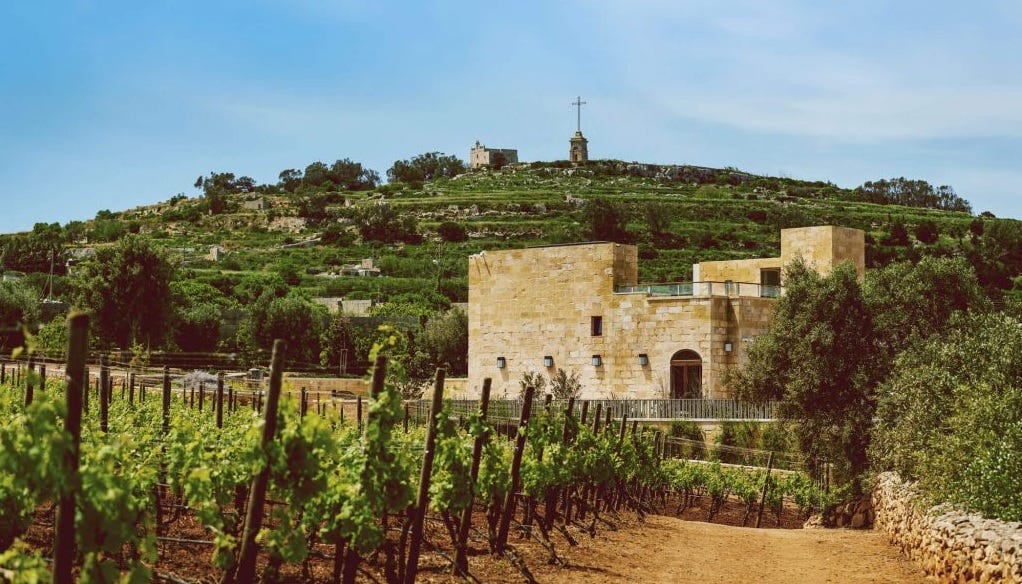
Image Credit: https://www.tabetta.com/
_ _ _
© CHURRASCO PHUKET STEAKHOUSE / ALL RIGHTS RESERVED
Reprinting, reposting & sharing allowed, in exchange for a backlink and credits
Churrasco Phuket Steakhouse serves affordable Wagyu and Black Angus steaks and burgers. We are open daily from 12noon to 11pm at Jungceylon Shopping Center in Patong / Phuket.
We are family-friendly and offer free parking and Wi-Fi for guests. See our menus, reserve your table, find our location, and check all guest reviews here:
https://ChurrascoPhuket.com/
#Churrascophuket #jungceylon #phuketsteakhouse #affordablewagyu #wagyu
Your article helped me a lot, is there any more related content? Thanks!
Can you be more specific about the content of your article? After reading it, I still have some doubts. Hope you can help me.