
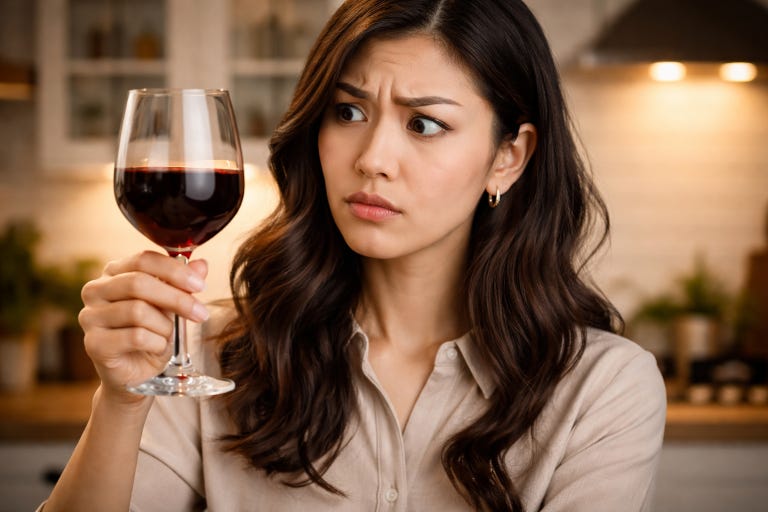
Wine making has survived wars, revolutions, religions, phylloxera, cheap cardboard containers, and the invention of screw caps. It has been diluted with seawater by the Romans, fortified by the British, and smuggled into high school dorms since time immemorial. Yet perhaps the strangest recent twist in its long career is the growing interest in wine with the alcohol removed.
Yes, that is now a thing. At first glance, the concept sounds like the end of civilisation as we know it, or at the very least culinary subversion and cultural sabotage. Alcohol is not some decorative flourish in wine. It carries aromas, provides warmth, and gives the drink its familiar body. Removing it seems about as logical as serving espresso without the coffee.
Which explains why the early history of alcohol free wine was such a total disaster.
Early Experiments
The first commercial attempts appeared in the late twentieth century, when health conscious drinkers began asking whether wine could be enjoyed without the after buzz. Winemakers, always both eager and optimistic, produced bottles that were technically wine, but emotionally closer to grape juice with hopelessly misplaced ambition.
The problem was simple. Early dealcoholisation techniques involved heating the wine or aggressively filtering it. Unfortunately, the same processes that removed alcohol also removed most of the flavour. The resulting product had all the excitement of watered down compote.
Wine lovers were unimpressed, traditionalists regarded it as sacrilege, and non drinking restaurant guests reached for water or soft drinks instead. It seemed like the quiet end of a strange fad.
Technology To The Rescue
Things only began to improve once winemakers approached the problem with finesse rather than force. Instead of brutal heating, modern producers use vacuum distillation or reverse osmosis to remove alcohol at lower temperatures. In practical terms, the wine is made as usual. Only afterwards is the alcohol carefully extracted while the aromatic compounds are preserved.
The result is still not identical to conventional wine, but far closer to the real thing than the unfortunate early experiments. In short, zero alcohol wine stopped tasting like a laboratory accident and started tasting like something one might voluntarily order, perhaps even twice.
Why It Is a Thing Now
Technology explains the improvement in quality, but culture explains the surge in interest. A growing class of consumers now describes itself as “sober curious”. They are not opposed to alcohol, but are interested in drinking less of it. Wine, with all its ritual and social charm, remains appealing. The trick they are after is hedonism without the headache.
Health trends also play their part. Fewer calories, clearer mornings, and the ability to drive home without logistical complications or expensive negotiations with traffic police all have their appeal. Younger drinkers have accelerated the shift further. Millennials and Gen Z’s tend to drink less alcohol overall, but still enjoy the theatre of a glass of wine at dinner. Alcohol free wine allows them to keep the ceremony while avoiding the consequences. The result is a new market that traditional wineries can no longer ignore.
Five Producers Worth Watching
Several producers have emerged as credible pioneers.
Edenvale (Australia)
One of the earliest serious players, Edenvale has spent decades refining alcohol removal techniques and now offers a wide range of dealcoholised wines.
Leitz Eins Zwei Zero (Germany)
From a respected Rheingau estate, this Riesling based range has surprised critics with genuine varietal character.
Torres Natureo (Spain)
The influential Torres family entered the category early and helped lend credibility to alcohol free wines.
Freixenet Alcohol Free (Spain)
Best known for sparkling wines, Freixenet offers alcohol free bubbly that still manages to feel celebratory.
Noughty by Thomson & Scott (United Kingdom)
A modern, stylish brand focusing on organic vineyards and contemporary positioning.
What Next
We predict that zero alcohol wine is unlikely to dethrone the traditional article. The thousand year old bond between fermentation and pleasure remains too deeply rooted. But the category has matured. We haven’t done so yet, but selected restaurants, airlines and hotels increasingly offer alcohol free options that look and behave like proper wine rather than a spooky relative from the beverage crypt.
Wine has always been about conviviality, conversation, and the gentle loosening of social restraint. The newest twist suggests something rather modern. People still want the ritual of wine, even when they would prefer to keep their heads clear.
A curious idea, once dismissed, has become a contender.
Image Credit: https://churrascophuket.com (AI Generated)
_ _ _
© CHURRASCO PHUKET STEAKHOUSE / ALL RIGHTS RESERVED
Reprinting, reposting & sharing allowed, in exchange for a backlink and credits
Churrasco Phuket Steakhouse serves affordable Wagyu and Black Angus steaks and burgers. We are open daily from 12noon to 11pm at Jungceylon Shopping Center in Patong / Phuket.
We are family-friendly and offer free parking and Wi-Fi for guests. See our menus, reserve your table, find our location, and check all guest reviews here:
https://ChurrascoPhuket.com/
#Churrascophuket #jungceylon #phuketsteakhouse #affordablewagyu #wagyu