
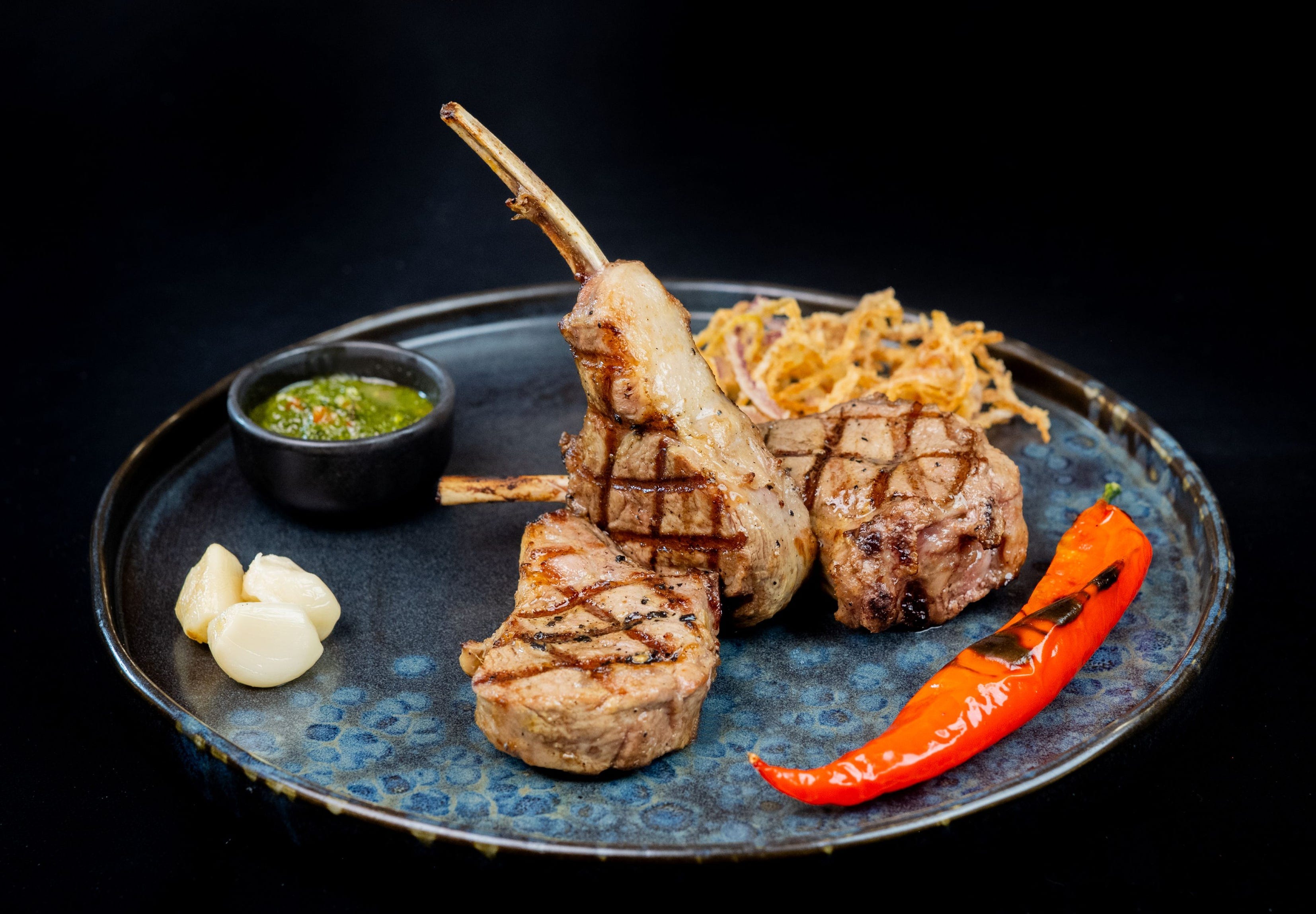
If there is one contest that runs deeper than rugby, cricket, or who invented the flat white, it might just be lamb. Put a Kiwi and an Ozzie in the same room and casually mention sheep, and you will want to reach for the popcorn and enjoy the show.
Both countries are global heavyweights in lamb production. Both export to the world, and are equally fiercely proud of their farming traditions. And both will quietly suggest that the other one is doing it almost right. So what is the actual score when it comes to what lands on your plate?
Round One: New Zealand, Grass Fed and Gloriously Green
New Zealand lamb has built its reputation on purity. Think open hills, dramatic coastlines, and sheep grazing freely on rich, rain nourished pastures. The country’s mild climate and generous rainfall mean lambs spend their lives on grass, not in feedlots. The result is meat that is typically leaner, fine grained, and delicately flavoured. There is a clean, almost herbal note to properly raised New Zealand lamb. It tastes of pasture in the best possible way. Not wild or gamey, just fresh and honest.
Because New Zealand lambs are generally processed at a younger age, the texture tends to be tender and refined. Smaller cuts, elegant racks, and neat chops lend themselves beautifully to quick cooking methods and haute cuisine plating. A hot grill, a well judged roast, or a sharp sear in a pan. You do not need to bully it with heavy sauces or aggressive spices. Let the lamb speak. It usually does so politely, but with quiet confidence.
New Zealand also leans heavily into strict farming standards and traceability. Animal welfare, sustainability, and environmental stewardship are not marketing buzzwords there. They are part of the national identity. For diners who care about how their protein was raised, that matters.
Round Two: Australia, Bigger, Bolder, and Not Shy About It
Australia approaches lamb the way it approaches most things – with scale. Vast landscapes and diverse climates, from dry inland regions to lush coastal pastures. Australian lamb production covers serious ground. While a large proportion of Australian lamb is grass fed, some producers finish their animals on grain. That finishing step changes things, as grain finishing increases intramuscular fat and deepens the flavour profile, just as it does with beef.
The meat often carries a richer, more robust taste and a slightly fattier mouthfeel. Australian lamb also tends to be larger. Bigger shoulders, larger legs, and cuts that feel designed for Sunday roasts, slow braises, and dishes that demand presence. If you are building a lamb curry that needs to hold its own against spice, or a slow cooked stew that simmers for hours, Australian lamb steps into the ring with confidence. It’s bold, it’s hearty, and it does not whisper.
So What Is the Score: The Taste Debate
The fun part of this rivalry is that it mirrors the broader New Zealand versus Australia dynamic. The Kiwis will say their lamb is cleaner, more refined, and raised in greener conditions. The Australians will counter that theirs has more depth, more character, more punch. It is a bit like comparing two great rugby teams. Style versus power, and precision versus impact. Both can win, depending on the day and the crowd.
From a chef’s perspective, the choice often comes down to intent. Do you want a lamb rack that shines with just salt, pepper, and careful grilling? New Zealand is hard to beat. Do you want a shoulder that collapses into sticky richness after hours in the oven? Australia may have the edge.
Neither is “better” in some universal sense. They are simply different expressions of climate, feed, farming philosophy, and culinary tradition. In essence, the world is lucky to have both. Between them, New Zealand and Australia have set the global benchmark for exported lamb. The rivalry keeps standards high. The competition drives improvement, and diners everywhere benefit.
As for the bragging rights across the Tasman Sea, that debate will continue long after the last chop has been served. Which is probably exactly how both countries like it.
Image Credit: https://churrascophuket.com (Actual Menu Picture)
_ _ _
© CHURRASCO PHUKET STEAKHOUSE / ALL RIGHTS RESERVED
Reprinting, reposting & sharing allowed, in exchange for a backlink and credits
Churrasco Phuket Steakhouse serves affordable Wagyu and Black Angus steaks and burgers. We are open daily from 12noon to 11pm at Jungceylon Shopping Center in Patong / Phuket.
We are family-friendly and offer free parking and Wi-Fi for guests. See our menus, reserve your table, find our location, and check all guest reviews here:
https://ChurrascoPhuket.com/
#Churrascophuket #jungceylon #phuketsteakhouse #affordablewagyu #wagyu