
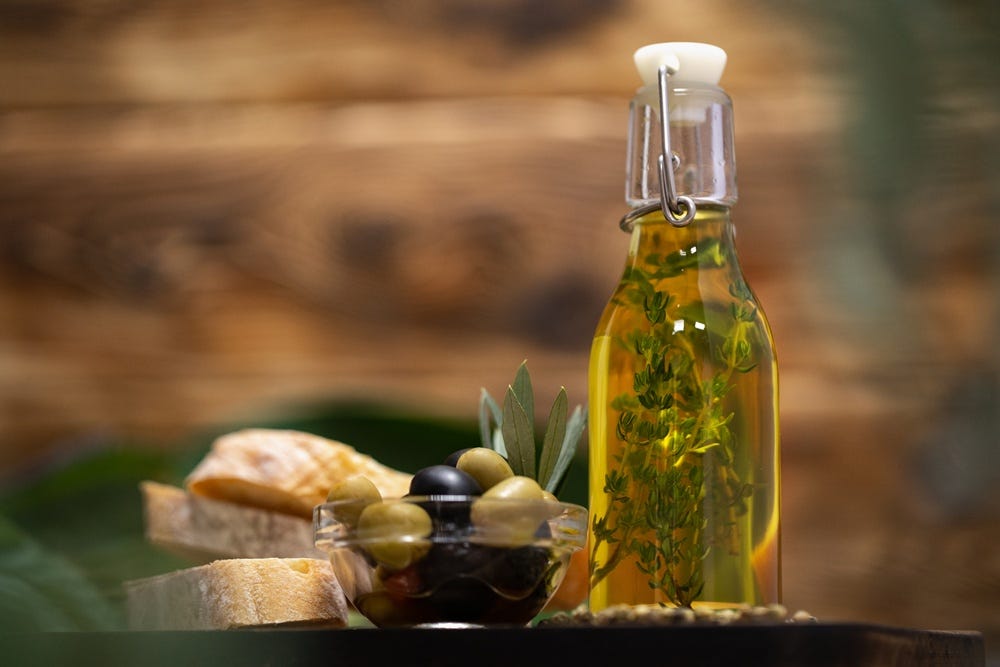
Olive oil has been around longer than taxes, bad restaurant playlists, and the persistent belief that quinoa is enjoyable. For thousands of years, this golden liquid has been poured over food, rubbed on bodies, burned in lamps, and blamed for stains that ruined countless white shirts. Everyone is an expert, ranging from chefs, doctors, grandmothers, lifestyle gurus, and that one friend who spent a week in Tuscany and now feels spiritually Mediterranean.
But before the modern world began arguing about antioxidants and drizzle techniques, olive oil shaped entire civilisations. In ancient Greece, athletes were not only muscular but also extremely slippery. They coated themselves in olive oil before competitions, presumably to make it harder for an opponent to grab hold of them. The Romans used olive oil for almost everything, from cooking to medicine to rituals, and also as a symbol of wealth.
In Egypt, olive oil was so prized that it often travelled long distances as a diplomatic gift. If a Pharaoh wanted to impress his latest Cleopatra, olive oil could be part of the winning package. It seems that even in antiquity, people understood the true priority in life, which is of course deliciousness.
Fast forward to today and olive oil enjoys a reputation somewhere between culinary treasure and miracle tonic. Health claims include softening arteries, sharpened brains, longevity, and make everything from grilled vegetables to life itself taste better. If you drizzle olive oil on your salad, you feel virtuous. If you drizzle it on your steak, you feel sophisticated. If you drizzle it on your ice cream, you need help.
Much of the confusion comes from the labels. There are more categories than the average wine list, and each one sounds slightly judgmental. At the top sits Extra Virgin Olive Oil. This title raises questions, the most obvious being how anything can be more than virgin. In truth, the term simply means the oil is made from the first pressing of the olives and produced without heat or chemical interference. Nothing scandalous.
Extra Virgin Olive Oil is the purest and most flavoursome form, with low acidity and a rich aroma. Proper producers treat it with reverence. They discuss it the way sommeliers discuss wine, looking for notes of grass, artichoke, almond, pepper, green tomato, even freshly cut shrubbery. It is best used for finishing, dipping, drizzling, and showing off.
Below this exalted status sits Virgin Olive Oil. It is still good quality but has slightly higher acidity and a milder flavour. Think of it as extra virgin’s less glamorous sibling. Virgin oil works well for cooking and general daily use without the pressure of being the star of the plate.
Then we have Refined Olive Oil, which is processed to remove bitterness and imperfections. Producers use heat or charcoal filtration, producing a neutral tasting oil. This is the workhorse of many kitchens. It is not there to impress, but to get the job done as it behaves predictably in a pan.
Another label to understand is Cold Pressed Olive Oil. Despite the romantic image of farmers pressing olives beneath the soft Mediterranean sun, the term simply means that the extraction temperature stayed below a critical threshold. Lower heat preserves flavour and nutrients. Hot pressed oils are extracted at higher temperatures, yielding more liquid but less nuance. In short, cold pressed is for taste, hot pressed is for efficiency.
At the bottom of the hierarchy sits Pomace Olive Oil, made from the leftover pulp after the first pressing. It is extracted using heat and solvents, then blended with a small amount of higher grade oil to make it palatable. While not considered premium, Pomace has a high smoke point and is useful in kitchens that fry large quantities of food. It will not win any awards, but it will keep your deep fryer humming.
The true magic of olive oil lies in its ability to transform food. A simple slice of bread becomes an elegant snack. A mundane tomato becomes a statement dish. A piece of grilled fish becomes an homage to the sea. It brings coherence to a dish, warmth to a table, and a sense of Mediterranean ease to a dinner party.
Whichever bottle you reach for, remember that olive oil is not just an ingredient. It is history, culture, flavour, and sometimes comedy, particularly when someone insists they can taste the difference between twenty seven varieties.
They probably cannot, but it is fun to watch.
Image Credit: https://freepik.com
_ _ _
© CHURRASCO PHUKET STEAKHOUSE / ALL RIGHTS RESERVED
Reprinting, reposting & sharing allowed, in exchange for a backlink and credits
Churrasco Phuket Steakhouse serves affordable Wagyu and Black Angus steaks and burgers. We are open daily from 12noon to 11pm at Jungceylon Shopping Center in Patong / Phuket.
We are family-friendly and offer free parking and Wi-Fi for guests. See our menus, reserve your table, find our location, and check all guest reviews here:
https://ChurrascoPhuket.com/
#Churrascophuket #jungceylon #phuketsteakhouse #affordablewagyu #wagyu
I savour, lead to I discovered just what I used to be having a look for. You have ended my 4 day long hunt! God Bless you man. Have a nice day. Bye
PC Sync cords really aren’t all that complicated, carrying all of two circuits.
Hello, i think that i saw you visited my website so i came to “return the favor”.I’m tryingto find things to improve my site!I suppose its ok to use a few of your ideas!!
At this time it sounds like BlogEngine is the top blogging platform out there right now. (from what I’ve read) Is that what you’re using on your blog?
I am sure this piece of writing has touched all the internet people, its really really nice post on building up new webpage.
I’ll immediately snatch your rss feed as I can’t find your email subscription link or e-newsletter service. Do you’ve any? Please permit me know in order that I may subscribe. Thanks.
Greetings! Very useful advice in this particular post! It’s the little changes which will make the most significant changes. Thanks for sharing!
Your point of view caught my eye and was very interesting. Thanks. I have a question for you. https://accounts.binance.info/register-person?ref=IHJUI7TF
Thanks for sharing. I read many of your blog posts, cool, your blog is very good.